Have you ever spotted “single-loaded street” in a listing and wondered why it gets so much attention in San Juan Capistrano? You want a home that feels private, quiet, and connected to open space, and you do not want to gamble on a view that might change. This guide explains exactly what a single-loaded street is, why buyers seek it out, where you will find it locally, and the due diligence that protects your investment. Let’s dive in.
Single-loaded street: what it means
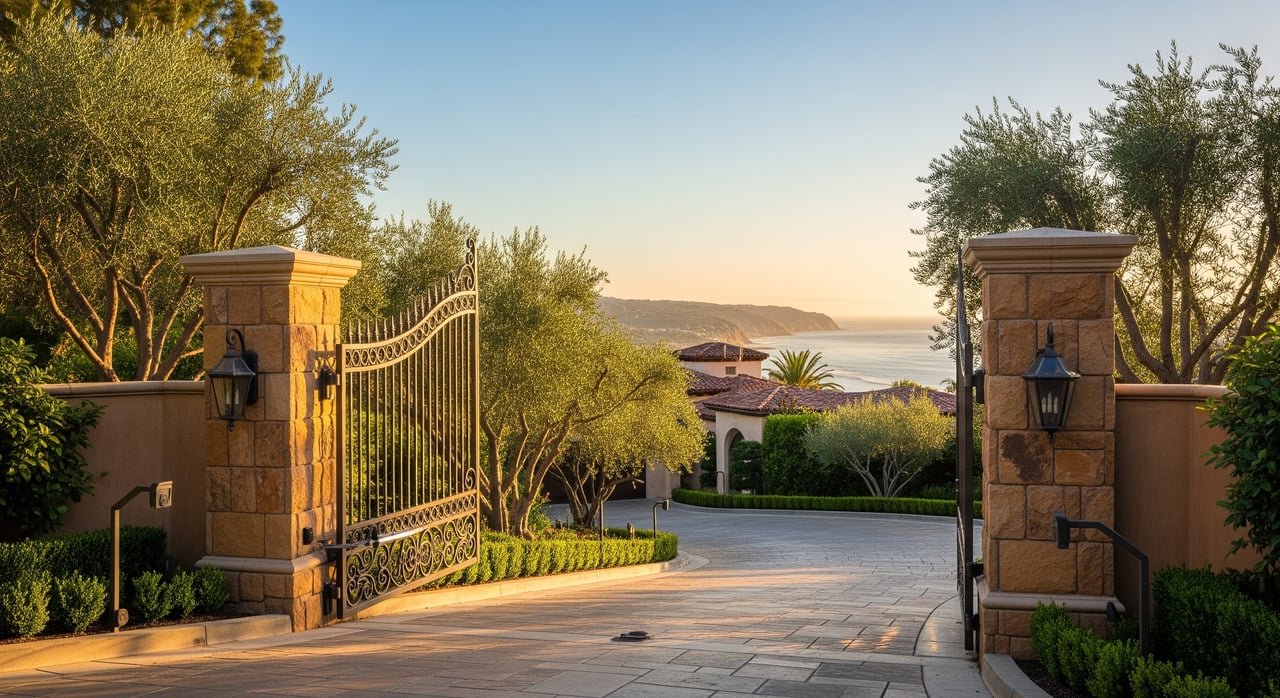
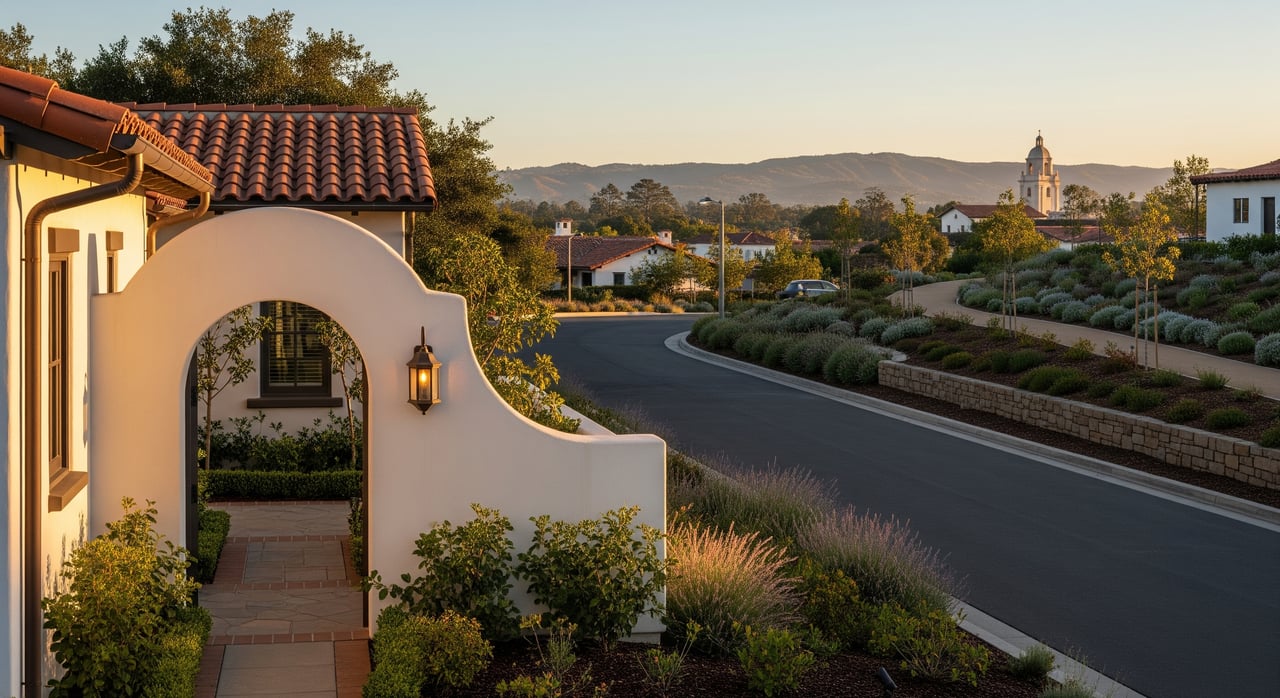
A single-loaded street is a road with homes on only one side. The opposite side typically faces open space, a slope, parkland, a golf course, or a protected hillside. The term comes from homes being “loaded” on a single side of the road.
Single-loaded streets are common along ridgelines, bluffs, and steeper hillsides where developers aim to preserve views and reduce grading. It is a planning and real estate term rather than a strict legal category, so definitions can vary by jurisdiction.
Quick ways to spot one
- Look at aerial or satellite images: you will see houses on one side and open land, a slope, or a greenbelt on the other.
- Read MLS remarks: agents often include “single-loaded” or “single-loaded street” in the description.
- Use street-level photos: the opposite side will show a slope, park, golf course, or a retaining wall with no homes.
Why buyers choose single-loaded streets
Single-loaded streets often deliver a combination of privacy, quiet, and views that is hard to replicate.
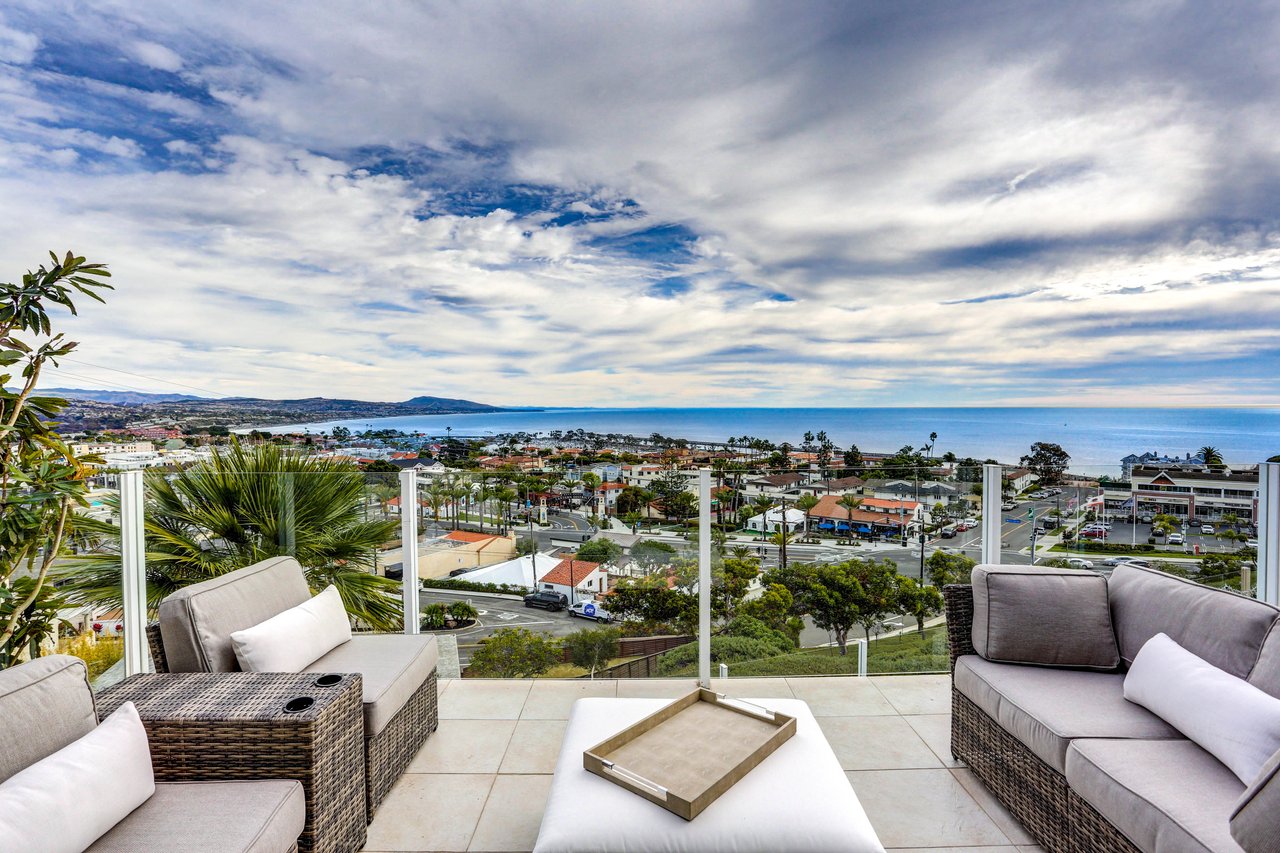
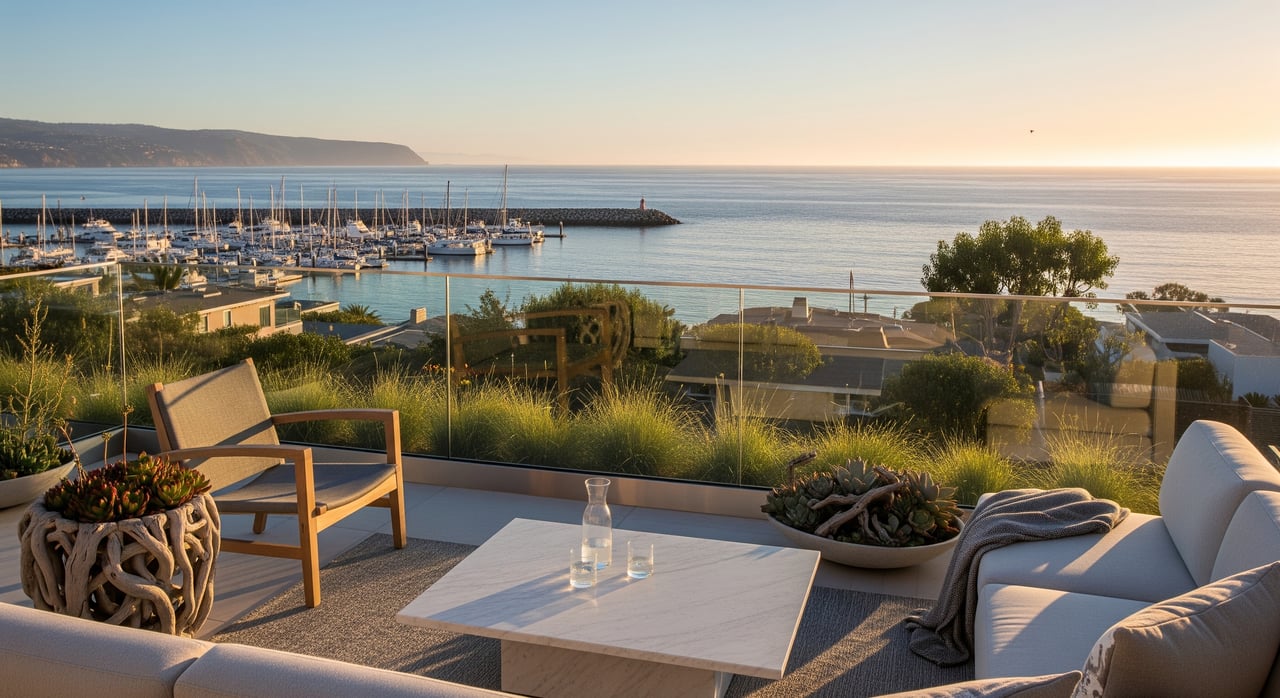
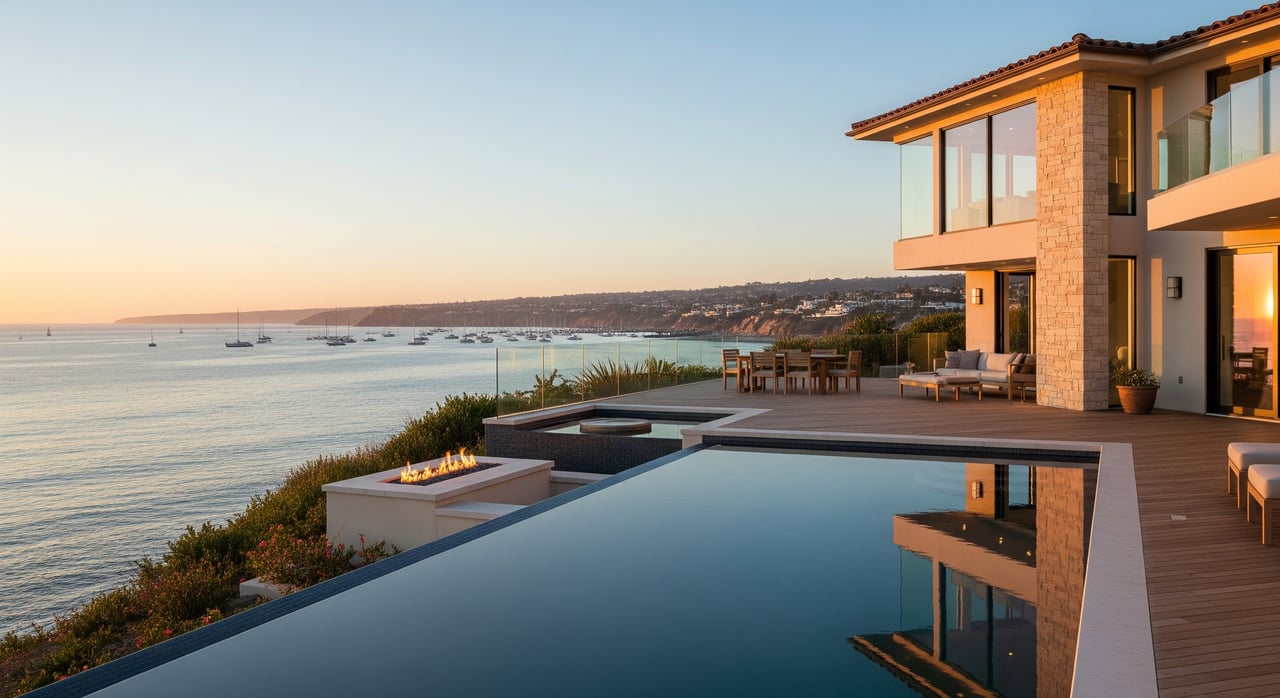
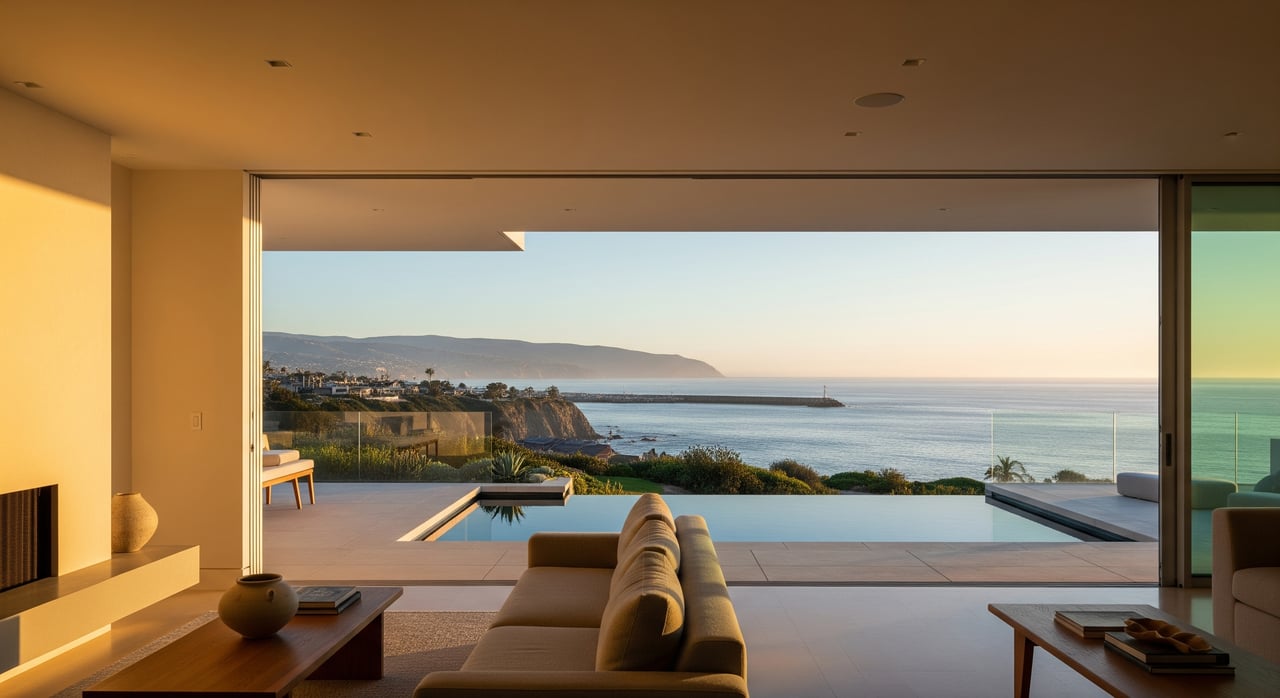
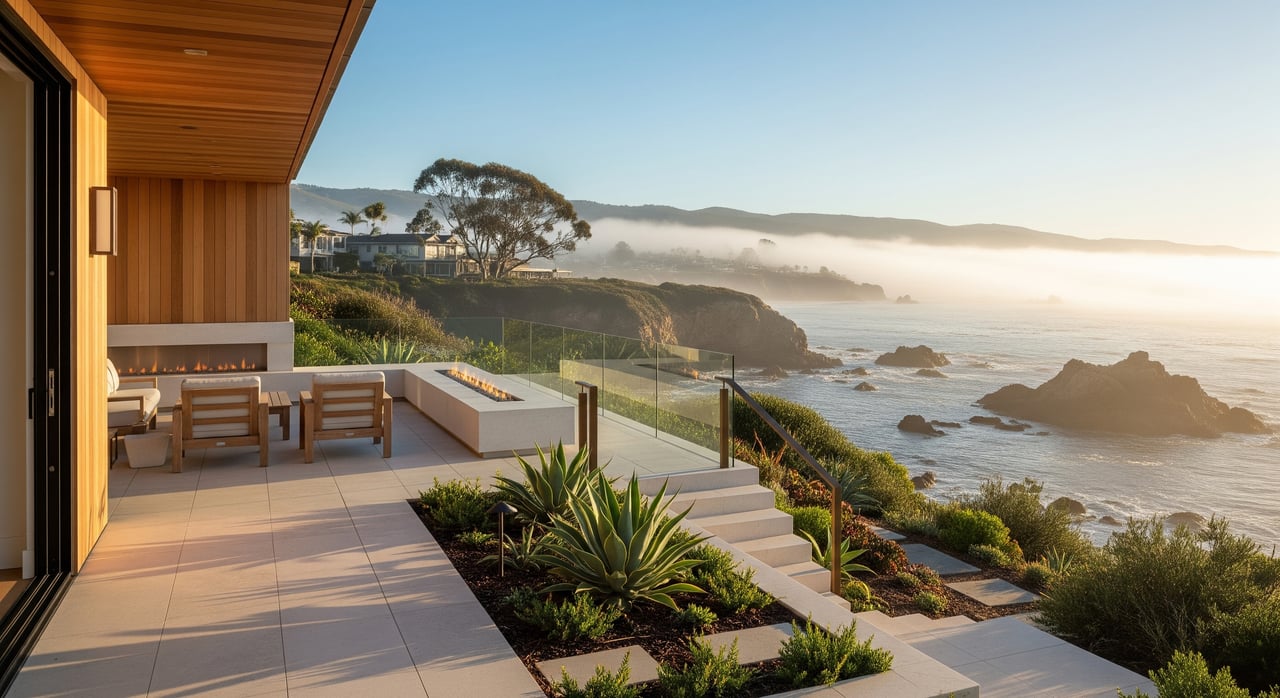
- Views and light: With no homes across the street, you may enjoy wider canyon, hill, golf course, city, or ocean-sense vistas and better natural light.
- Privacy: Fewer direct sightlines from across the street can make yards and windows feel more secluded.
- Less traffic and noise: These streets are frequently low-traffic residential roads, cul-de-sacs, or ridgeline segments with minimal through traffic.
- Open-space feel: The opposite side often reads as greenbelt or open land, which adds a sense of spaciousness.
Tradeoffs to weigh
Before you fall in love with the view, factor in the practical side.
- Exposure and maintenance: Homes along open slopes can face more wind or sun. On hillsides, drainage and erosion are important to evaluate, and wildfire risk may influence insurance.
- Parking and access: Street parking can be limited, especially if the open side has no curb or sidewalk. Confirm guest parking and emergency access rules.
- View and legal risk: Some views are not guaranteed. If the open side is not protected, future development, tree growth, or utility work could change your outlook. Verify any view easements or restrictions.
- Cost and resale: Homes on single-loaded streets sometimes command a premium. The actual premium depends on neighborhood, view quality, orientation, and market conditions.
- Neighborhood feel: With fewer homes on the street, some buyers feel there is less passive surveillance, which is a personal preference to consider.
Where to find them in San Juan Capistrano
You will encounter single-loaded streets most often in newer hillside and master-planned parts of San Juan Capistrano and nearby south Orange County.
- Hillside and ridgeline neighborhoods: Streets that trace a ridge or bluff often load homes on one side to capture views and manage grading.
- Edges of open space: Streets bordering parks, conservation areas, or preserved habitat commonly have homes on one side.
- Golf course and slope-adjacent areas: Homes that face fairways, canyons, or large slopes often sit on single-loaded roads.
- Newer planned communities: While the historic mission area uses traditional two-sided streets, single-loaded designs appear more in newer, hillside, and eastern or southern parts of the city and nearby communities such as portions of adjacent master-planned areas.
How local land use shapes the layout
San Juan Capistrano blends a historic core with newer hillside development patterns. Where the open side is part of a park or conservation easement, the view side is more likely to remain unobstructed. If the open land is privately owned and not protected, it could be developed later. Always verify the status of the open side before you rely on a view.
How to confirm a street is single-loaded
You can verify the layout and the status of the open side with a few targeted checks.
- MLS listing details: Look for “single-loaded” and any notes about views, easements, or open space.
- Aerial or satellite imagery: Confirm houses on one side and open land on the other.
- County parcel and assessor maps: Review parcel lines and ownership of the open side.
- City and county planning documents: Subdivision maps, HOA maps, and planning records can show easements, protected areas, and right-of-way details.
- On-site visit and street-level photos: Check curb space, sidewalks, slope conditions, and true view corridors in person.
Due diligence checklist for buyers
Use this step-by-step list to protect your view, comfort, and resale.
Key questions to ask
- Is the open side protected by a conservation easement, park ownership, grading restriction, or HOA common area? If not, what are the development rights?
- Are there recorded view easements? If there are none, who controls tree trimming and vegetation on the open side?
- Are any public works, road extensions, or utility projects planned near the open side?
- What are the emergency access rules and parking restrictions on this street?
Documents and inspections to obtain
- Title report and recorded easements: Confirm view easements, setbacks, and any rights of way.
- HOA CC&Rs and community maps: Clarify who maintains the open space and what landscaping or view rules apply.
- Geotechnical report for hillside lots: Evaluate slope stability, drainage, and landslide risk.
- Grading and drainage plans: Understand how stormwater and erosion are handled.
- Site visits at different times: Check morning and evening light, wind, noise, and traffic patterns.
Practical checks on site
- Test view lines from key windows, decks, and yard areas to confirm what you will actually see day to day.
- Consider sun orientation: West or south exposure can offer warm afternoon light but may increase heat and sun management needs.
- Verify parking: Confirm guest parking and curb availability on a street with only one buildable side.
- Review insurance: If the property is on a hillside or near open space, discuss wildfire or flood implications with your insurer.
View and value: set smart expectations
Views often add value, but premiums are not universal. The impact depends on the quality and breadth of the view, the street’s orientation, the neighborhood, and broader market conditions. Buyers who want long-term view stability should confirm open-space protections and any recorded view easements before pricing a premium into their offer.
Is a single-loaded street right for you?
- If you prioritize privacy and quiet: A single-loaded street can be a strong fit.
- If you value enduring views: Focus on protected open space and recorded easements.
- If you host often: Confirm guest parking, curb space, and access rules upfront.
- If you want low maintenance: Weigh exposure, sun, and slope considerations with your inspector.
Next steps
If a single-loaded street is on your wish list, bring a clear plan to your search. Confirm the status of neighboring open space, study the site in different light and wind conditions, and obtain the right reports before you close. A thoughtful approach keeps the benefits you want and limits surprises later.
When you are ready for tailored guidance in San Juan Capistrano and the surrounding coastal market, connect with Kathy Samuel for concierge buyer representation, neighborhood insight, and meticulous due diligence. Request a Private Home Valuation or start a confidential conversation about your goals today.
FAQs
What does a single-loaded street mean in San Juan Capistrano?
- It is a road with homes on only one side, often along open space, slopes, parks, or golf courses, which can enhance views, privacy, and a quiet feel.
How can I confirm the open-side land will stay open?
- Review city or county planning records, parcel maps, and any conservation or HOA easements, then verify protections in the title report and HOA documents.
Are view easements typical on single-loaded streets?
- They exist in some neighborhoods but are not guaranteed, so you need to check recorded documents to see whether any view protections are in place.
Do homes on single-loaded streets cost more in San Juan Capistrano?
- They can, but any premium depends on view quality, orientation, neighborhood, and market cycle; it is not automatic or uniform.
What parking issues should I check on a single-loaded street?
- Confirm guest parking rules, curb availability, and emergency access, especially if the open side lacks a curb or sidewalk.