Ever wonder why two Laguna Beach homes a half mile apart can feel like different seasons? If you are relocating to the coast, those small shifts in fog, sun, and wind can make or break your day-to-day comfort. The good news is you can learn the patterns and tour smarter. In this guide, you will see how Laguna’s microclimates work, what they mean for living and maintenance, and how to use them to focus your search. Let’s dive in.
Why Laguna Beach has microclimates
Laguna Beach sits in a Mediterranean climate with dry summers, wetter winters, and mild temperatures. What makes it unique is the mix of steep coastal canyons, ridgelines, and the nearby Pacific. The ocean brings a marine layer most mornings, while the hills shape how air, shade, and fog settle.
Most afternoons, a sea breeze pulls cool air inland. At times, hot, dry Santa Ana winds flip the script and push warm air from inland to the coast. These forces can create a 5-degree difference, sometimes more, over very short distances. For current conditions and local forecasts, check the NWS San Diego office. For historical averages and climate context, see NOAA Climate Normals and the Western Regional Climate Center.
Microclimate zones you will feel
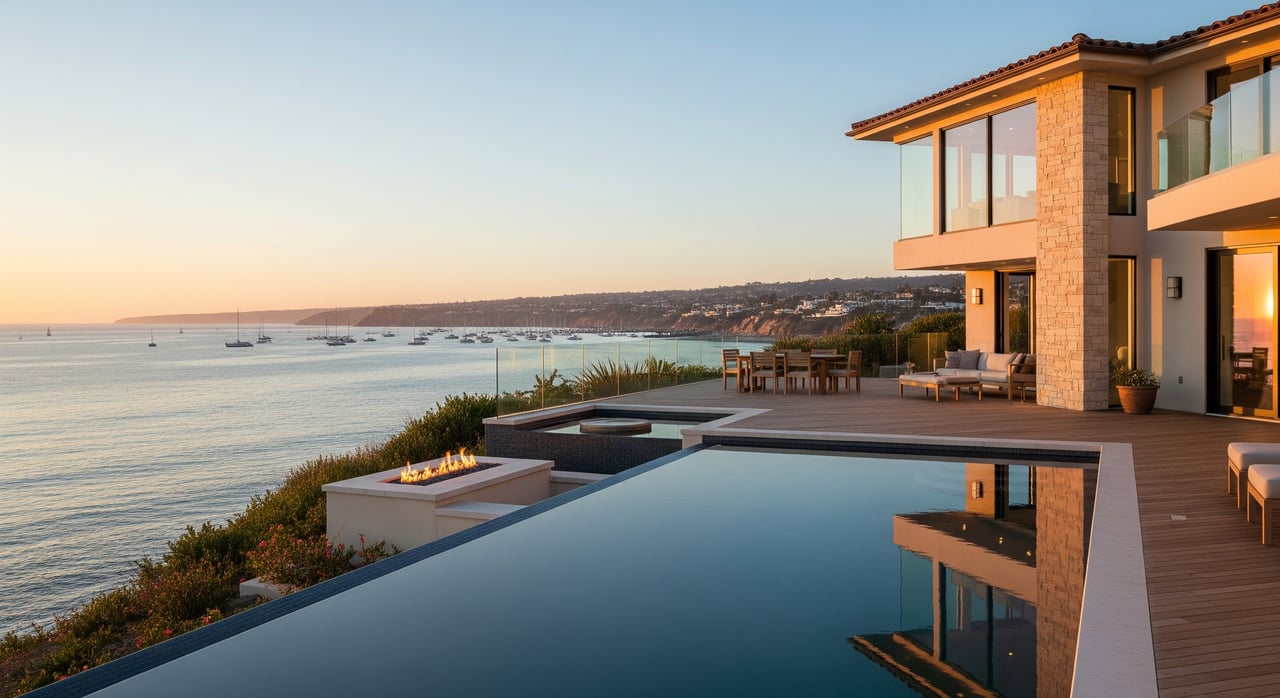
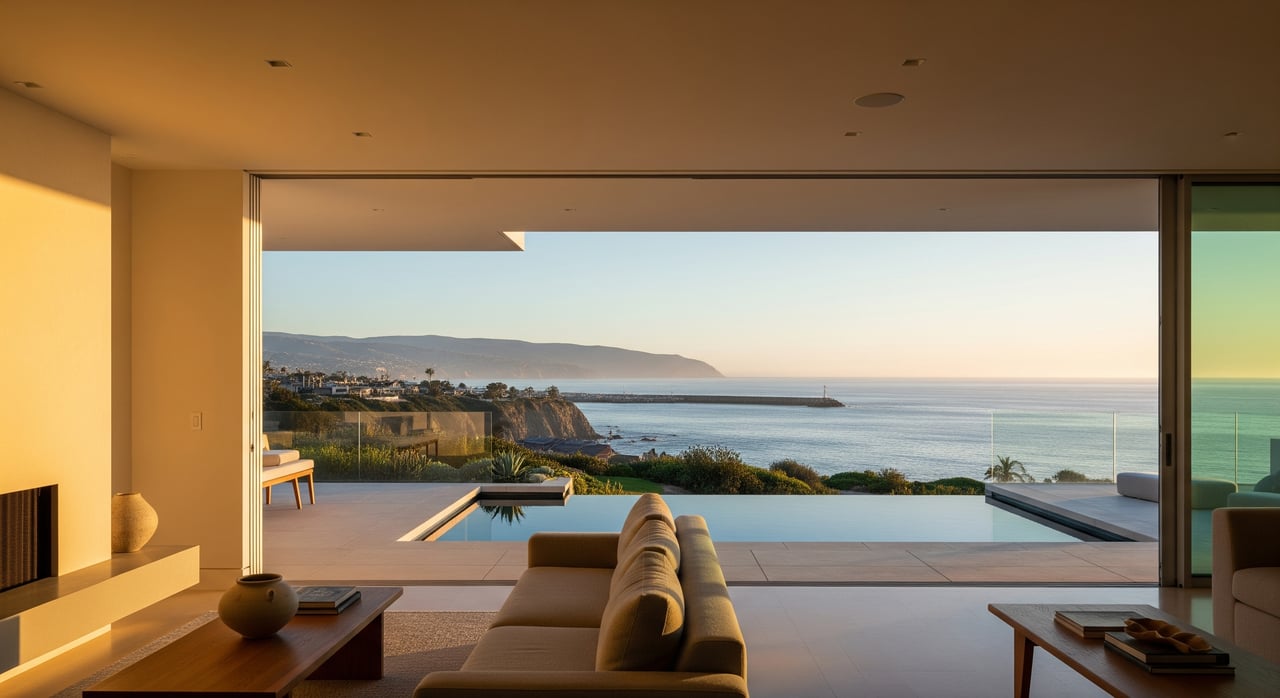
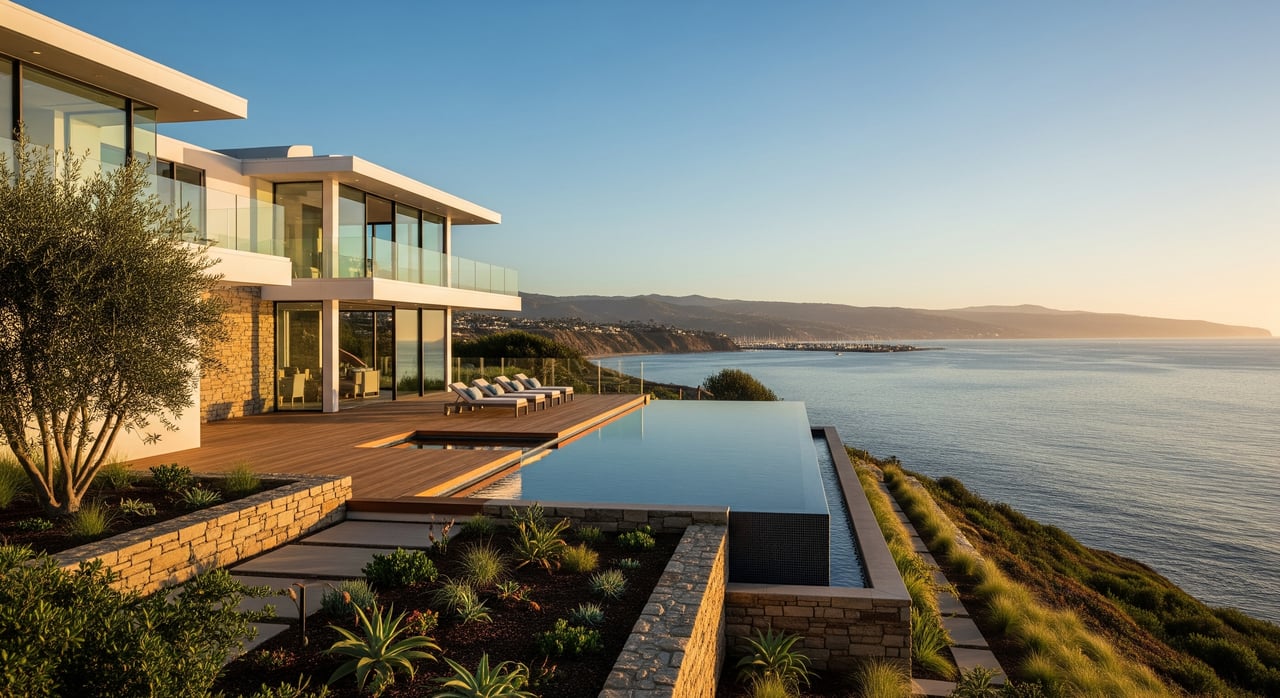
Ocean-adjacent: beachfront and bluffs
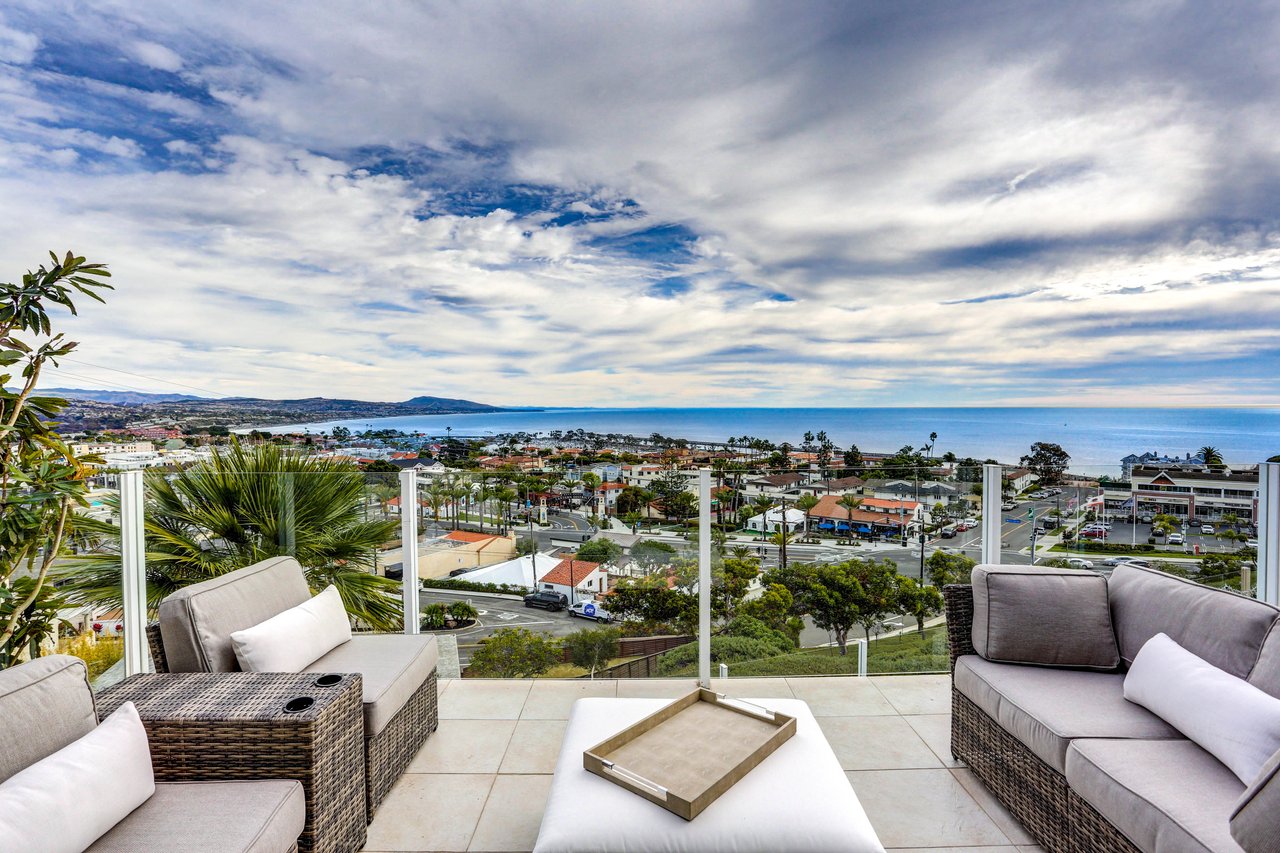
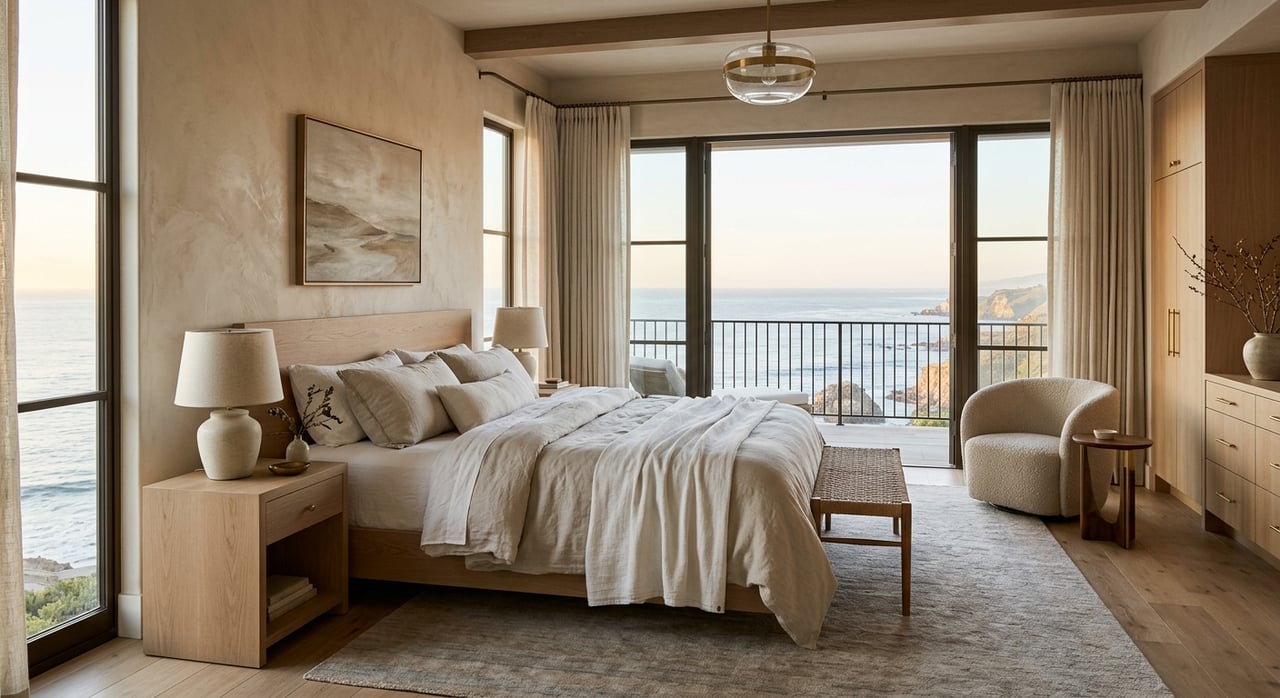
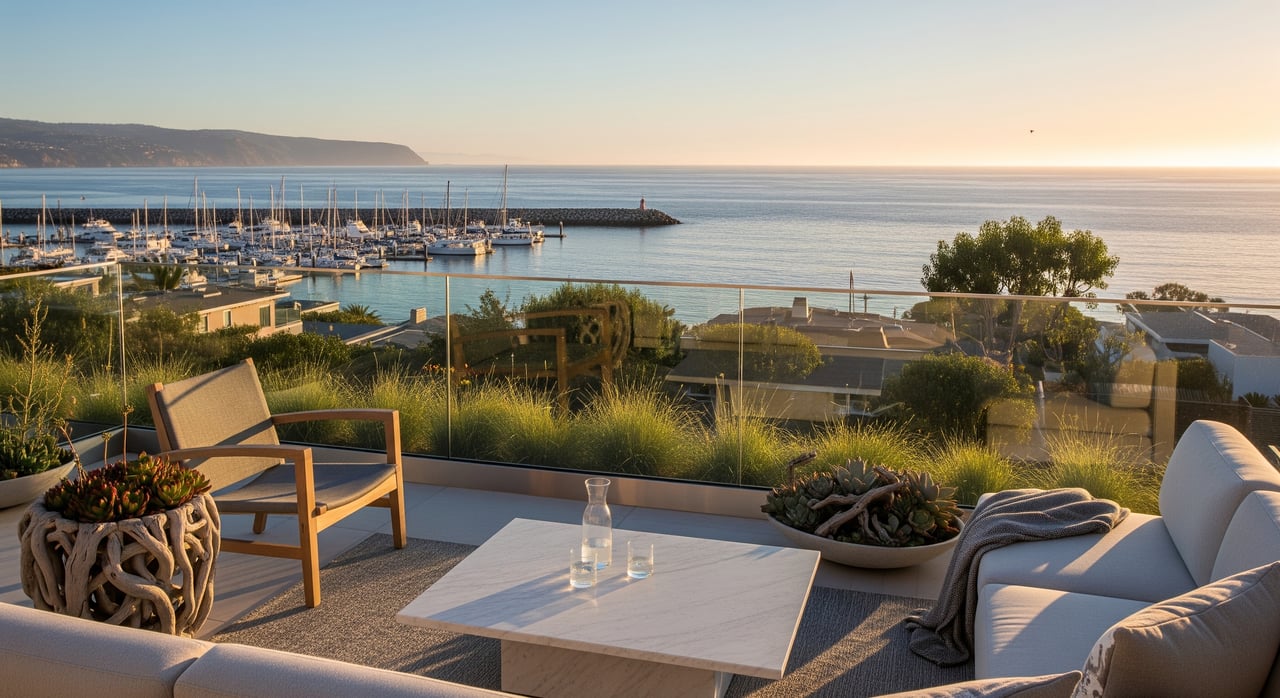
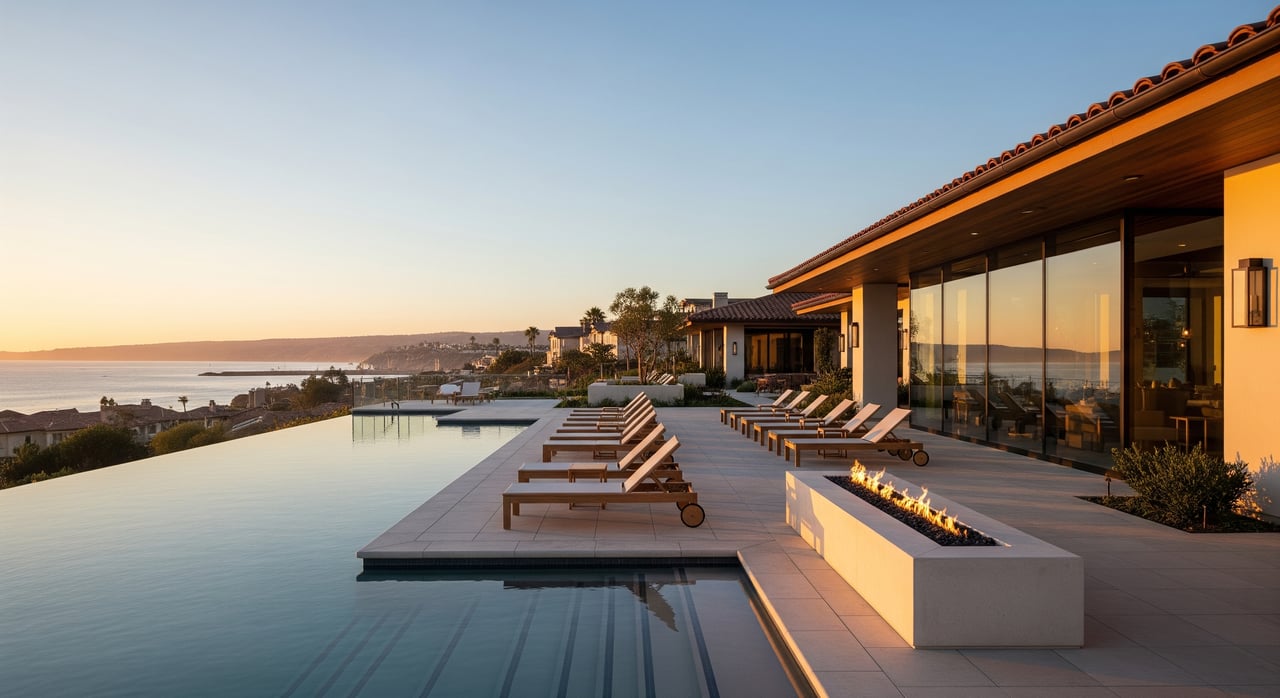
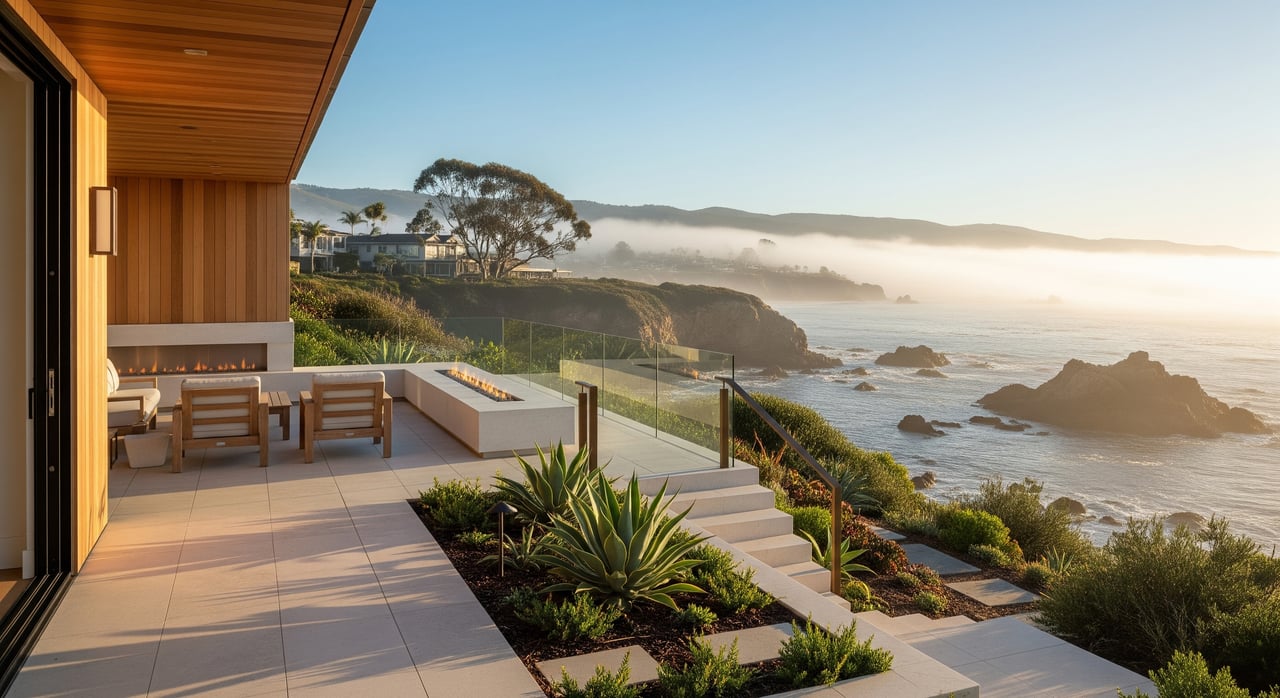
If you love cool breezes and the sound of surf, this zone offers milder days and nights. The marine layer often brings morning clouds that burn off by afternoon, especially in late spring and early summer. Outdoor spaces feel fresh, but exposed bluffs can get gusty.
Living here often means less need for AC but more focus on ventilation and dehumidification. Salt spray and UV reflectivity call for corrosion-resistant fixtures and finishes. Gardens and solar may get less direct morning sun during marine-layer season.
Canyons and canyon bottoms
Canyons can hold fog longer, feel cooler in the morning, and stay calmer when coastal breezes pick up. Narrow corridor streets and shaded slopes can keep interiors stable and comfortable, though mornings may feel damp.
These homes are more shielded from direct Santa Ana winds but may see greater moisture and vegetation growth. Plan for strong ventilation, regular moisture checks, and careful review of drainage and retaining walls. Deeply shaded properties may have limited solar potential.
Hilltops and ridgelines
Higher elevation neighborhoods above the fog line often get earlier sun and stronger winds. You will see bigger swings between warm days and cooler nights, plus excellent solar exposure.
Expect more wind load on roofs, railings, and outdoor furniture. Landscaping needs to be wind-smart. Views can be stunning, but ridges can be more exposed during Santa Ana events.
Pocket and aspect differences
Small orientation changes matter. West-facing slopes feel the marine influence and cool earlier in the afternoon. East-facing slopes warm sooner in the morning. North-facing canyon walls get less direct sun, while south-facing slopes run warmer and brighter. Even narrow streets can channel wind and change how a block feels.
How microclimates affect life at home
Fog, visibility, and daylight
Morning fog is common in late spring and early summer, which lowers direct sunshine during those hours. Your interior may feel cooler and a bit damp, and gardens may need shade-tolerant species. A home inspection should look closely at ventilation, moisture intrusion, and condensation-prone areas.
Breeze and ventilation
Afternoon sea breezes offer natural cooling, especially by the water. On ridges and bluffs, winds can be stronger, so you will want good window seals, door weatherstripping, and thoughtful patio wind screening. Salt spray can speed up corrosion on metal fixtures and HVAC units, especially on ocean-facing sides.
Temperature and energy use
Ocean-adjacent homes often have lower cooling loads thanks to milder swings. In canyon shade you may run heat a bit more on cool mornings. Hilltops and sunny south-facing pockets heat up faster during the day, which can raise cooling needs. Solar systems typically perform best on ridgelines and southern exposures with less morning fog.
Landscaping and outdoor living
Choose salt-tolerant, wind-resistant plants for ocean-facing sites. Plan for durable, UV-stable materials on decks and roofs in exposed areas. In canyon microclimates, think about airflow around patios and select plants that do well with morning moisture.
Maintenance and materials
Near the ocean, expect more frequent repainting and rust control. Keep an eye on railings, fasteners, and exterior lighting for corrosion. In canyons, watch for mold or mildew and service ventilation systems often. On windy ridges, check roof elements and outdoor fixtures for wear.
Hazards and insurance
- Wildfire: Steep canyons and vegetated slopes can raise fire risk. Review Fire Hazard Severity Zone maps and defensible-space rules from CAL FIRE. For local preparedness and evacuation planning, use the Orange County Fire Authority.
- Coastal erosion: Bluff-top or near-shore homes need careful review of erosion and regulatory setbacks. See the California Coastal Commission hazards page. Coordinate permitting questions with the City of Laguna Beach.
- Flood and stormwater: Canyons can experience localized drainage or debris flows during heavy rain. For local ordinances and permit guidance, start with the City of Laguna Beach.
How to tour smarter in Laguna Beach
Visit at the right times
- Morning, 6:30–9:30 AM: See the marine layer at work. Check how damp and shaded the home feels, especially in canyons or on the immediate coast.
- Midday to early afternoon, 12:00–3:00 PM: Gauge sun exposure, wind strength, and cross-ventilation when the marine layer usually burns off.
- Late afternoon to sunset, 4:00–7:00 PM: Measure evening breezes, temperature drop, and the comfort of outdoor spaces at the day’s windiest time.
- During a Santa Ana event: If safe, note how hot, dry offshore winds affect ridges and exposed properties. Avoid touring during active fire advisories.
Visit at least twice on different days and conditions to capture variability.
On-site checks by microclimate
- Ocean-adjacent
- Does morning fog persist? For how long?
- Inspect for salt corrosion on railings, fasteners, lights, and HVAC.
- Test patio wind exposure. Look for windbreaks and protected zones.
- Review solar orientation and any signs of salt-related wear on equipment.
- Canyon
- Check for moisture stains, musty odors, and ventilation performance.
- Confirm drainage, retaining walls, and any past debris flow history.
- Identify evacuation routes and brush clearance practices.
- Hilltop and ridge
- Measure wind on terraces and rooflines. Ask about past wind damage.
- Assess shade patterns and solar potential.
- Review utility line exposure and any Santa Ana impact history.
Quick buyer checklist
- Fog and sun: How many morning hours of sun do you get in spring and early summer?
- Wind: What does the patio feel like at 2–6 PM? Any wind screening?
- Moisture: Are there signs of corrosion, mold, or condensation?
- Systems: Do HVAC, ventilation, or dehumidifiers match the microclimate?
- Maintenance: What is the exterior paint and metal maintenance history?
- Hazards: Have you reviewed wildfire and bluff guidance from CAL FIRE and the Coastal Commission, and local rules via the City of Laguna Beach?
Choosing your best-fit microclimate
Start with how you like to live. If you want cooler days, fewer temperature swings, and fresh breezes, focus near the water. If you value calmer mornings and stable interiors, look at canyon settings, while planning for moisture management. If you love full sun and views, target ridges and higher elevations and plan for wind and fire-readiness.
Then balance operating costs and upkeep. Ocean-facing homes may reduce AC use but increase corrosion maintenance. Canyon homes may need stronger ventilation. Hilltop homes often deliver top solar performance, along with higher wind exposure. Small differences in slope, aspect, and street orientation can tip the decision.
Finally, test it in person. Visit the same home morning and afternoon. Feel the wind, note the fog, and check the yard’s sun arc. With a clear read on microclimate, you will focus your search and choose a home that fits your comfort, lifestyle, and long-term plan.
Ready to match your lifestyle with the right Laguna Beach microclimate? Connect with Kathy Samuel for discreet, expert guidance and a touring plan tailored to your needs.
FAQs
What creates Laguna Beach’s different microclimates?
- Ocean influence, canyon and ridge topography, daily sea breezes, and occasional Santa Ana winds drive short-distance changes in fog, sun, wind, and temperature.
How much can temperatures vary across town on the same day?
- Differences of several degrees, commonly around 5°F, are often observed between the beach, canyon bottoms, and exposed ridges.
When is marine layer fog most common near the coast?
- Late spring through early summer often brings morning clouds that usually burn off by afternoon, though timing varies by day and location.
Do oceanfront homes usually need central AC?
- Many ocean-adjacent homes rely on natural breezes for cooling, but humidity and occasional heat events can justify AC and dehumidification.
What hazards should I review before buying in Laguna Beach?
- Check wildfire risk and defensible space guidance from CAL FIRE, coastal erosion and bluff setback information from the California Coastal Commission, and local rules with the City of Laguna Beach.