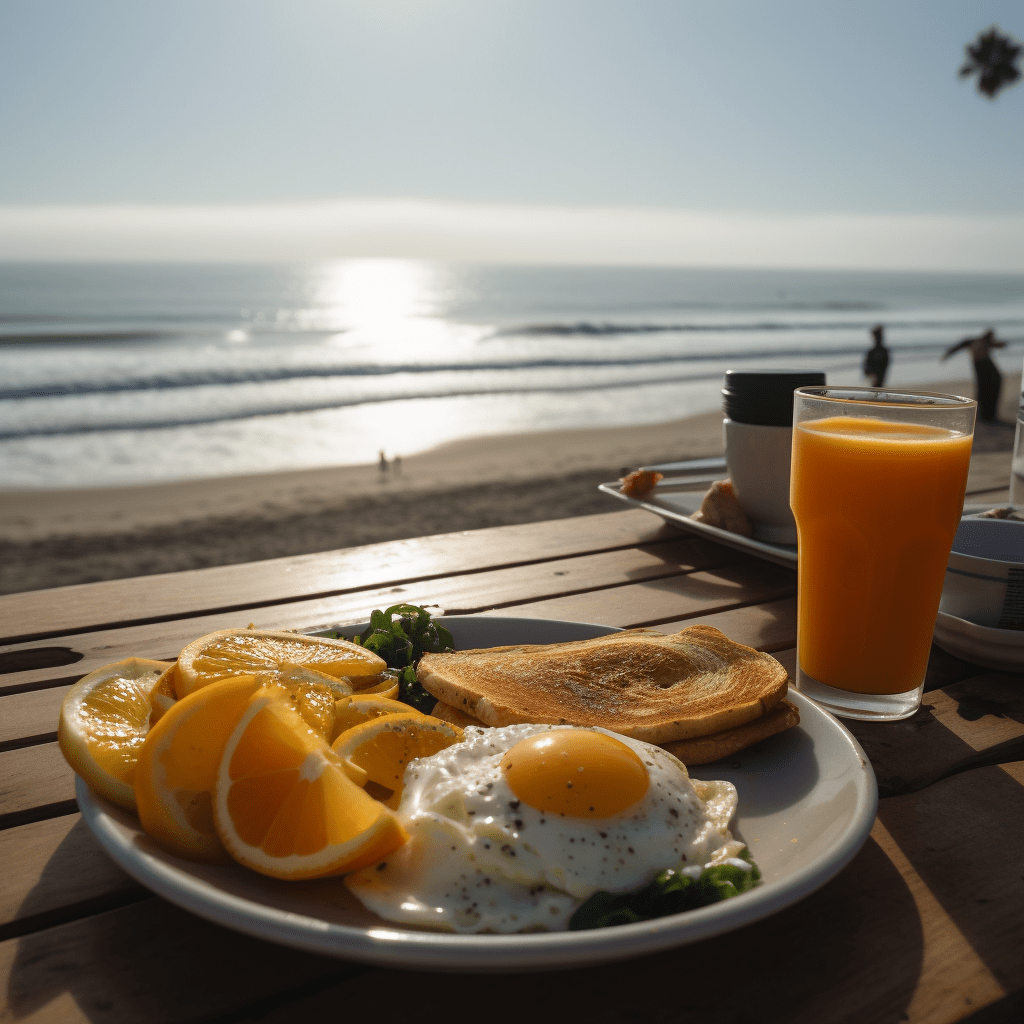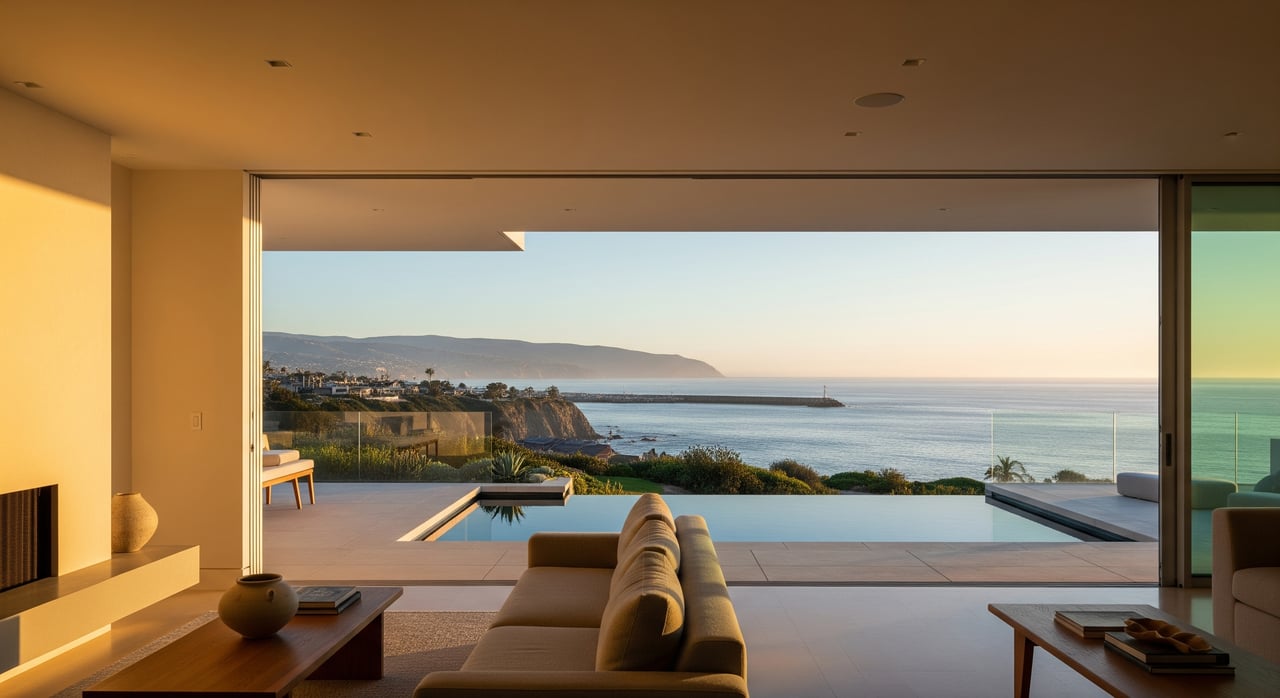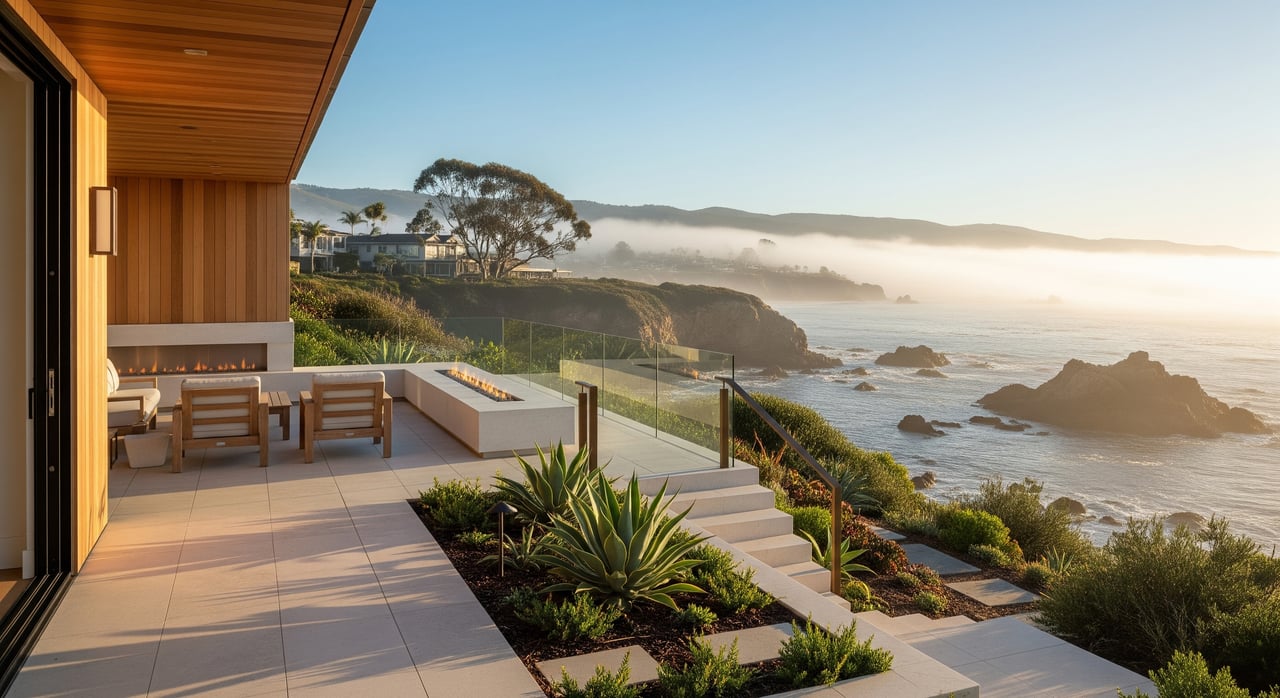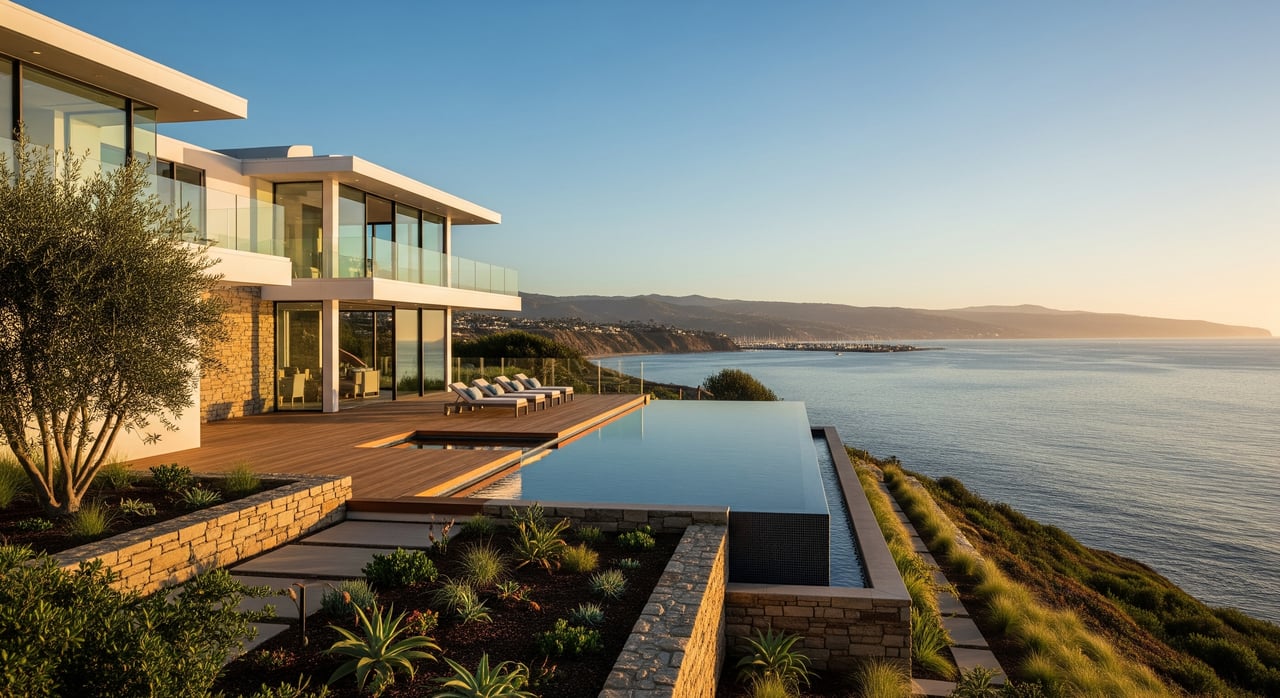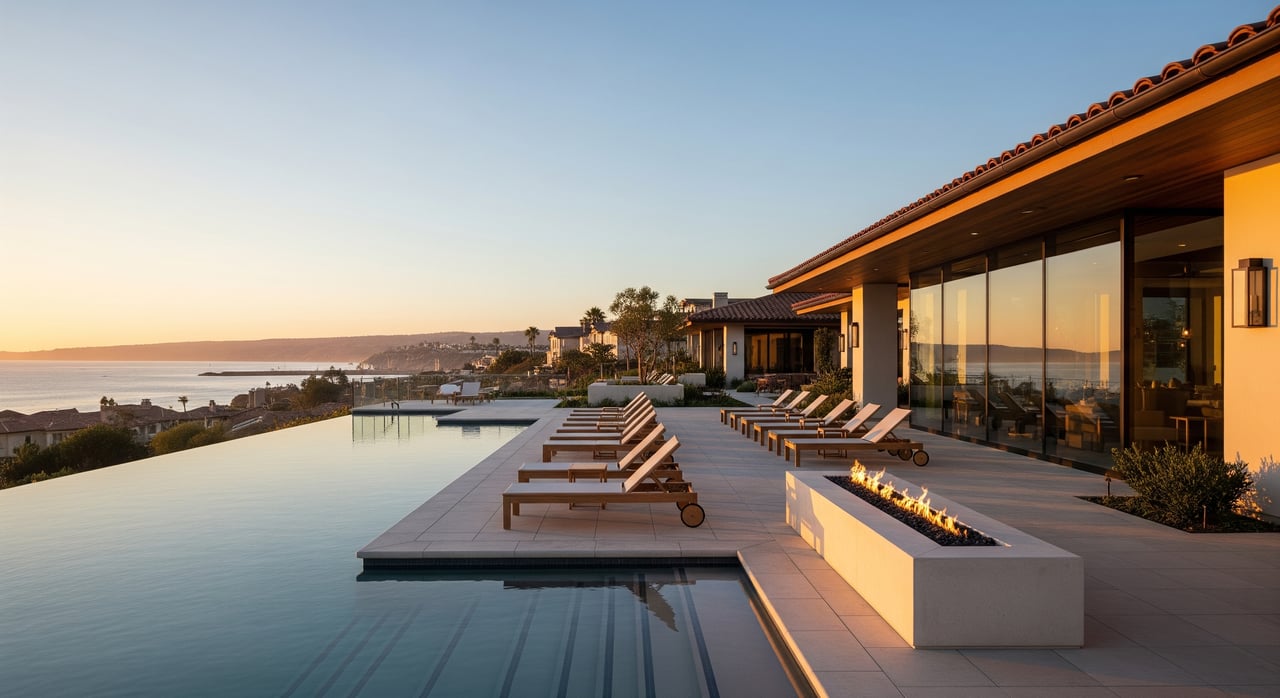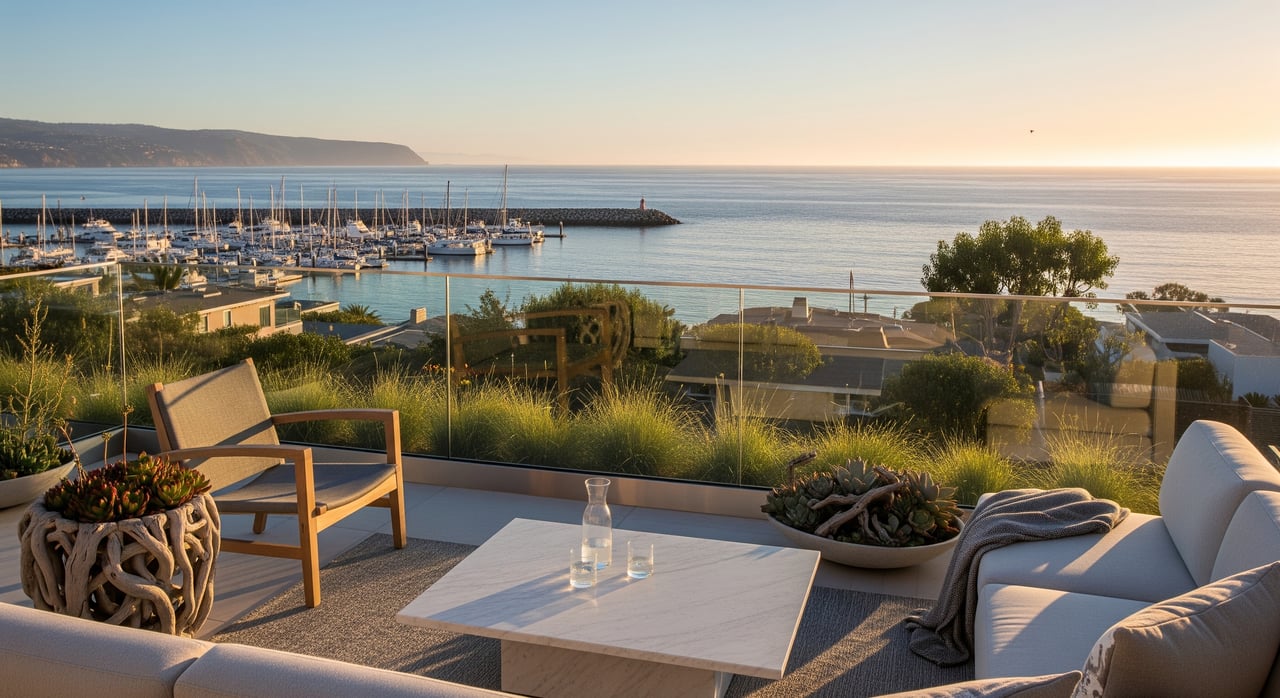
Is your ideal day a morning walk along the harbor, lunch in a laid‑back coastal café, and sunset on a bluff trail? If so, Dana Point may be the everyday pace you want. This small coastal city of about 33,000 blends resort polish with a friendly, local rhythm. In this guide, you’ll learn how life actually works here, from neighborhoods and beaches to commutes, seasons, and practical buying tips. Let’s dive in.
Neighborhoods at a glance
Lantern District and Harbor core
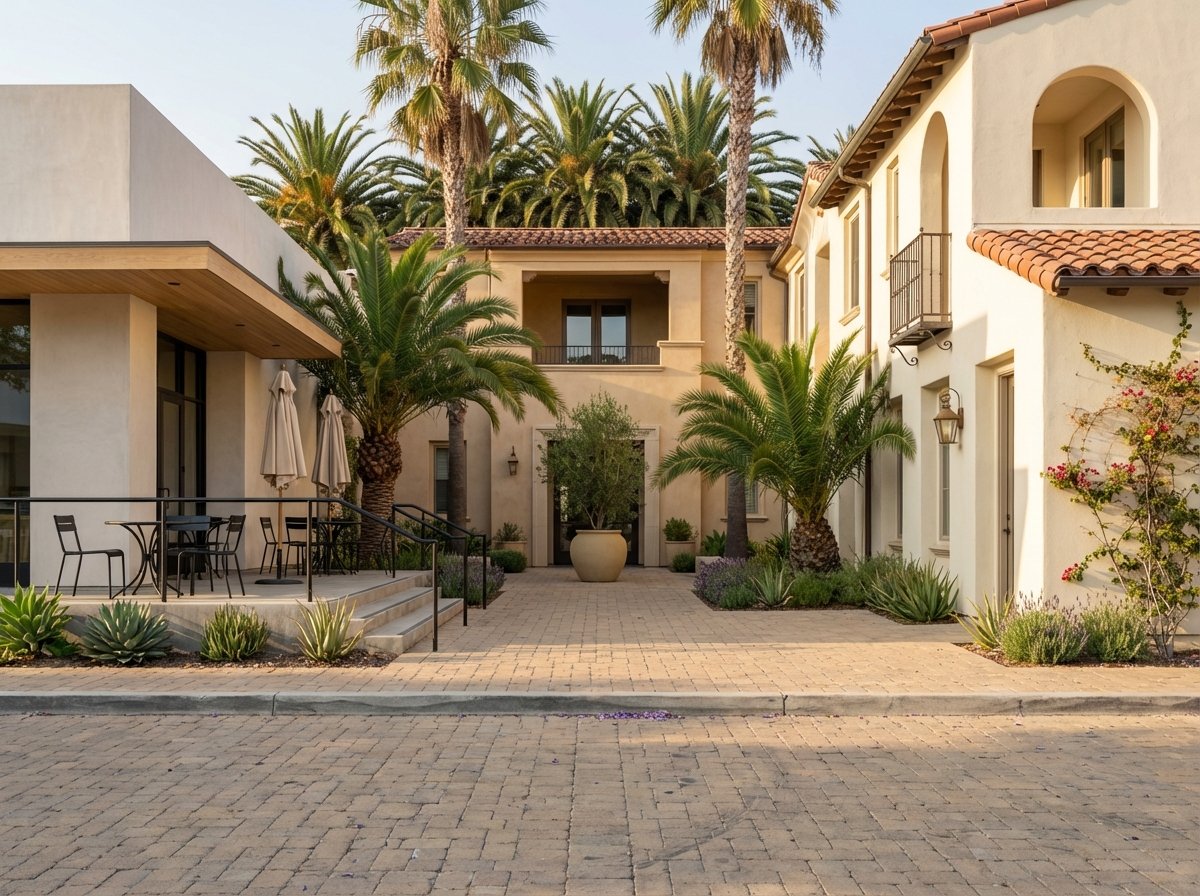
The Lantern District is Dana Point’s main street scene, anchored by the Harbor. You get cafés, seafood spots, boutiques, and a weekly farmers market during much of the year. The Harbor is a daily playground, with marinas, sailing, paddleboarding, whale‑watching trips, and the Ocean Institute’s education programs. Expect more traffic and tighter parking on summer weekends and during major events.
Monarch Beach, Strands, and Salt Creek
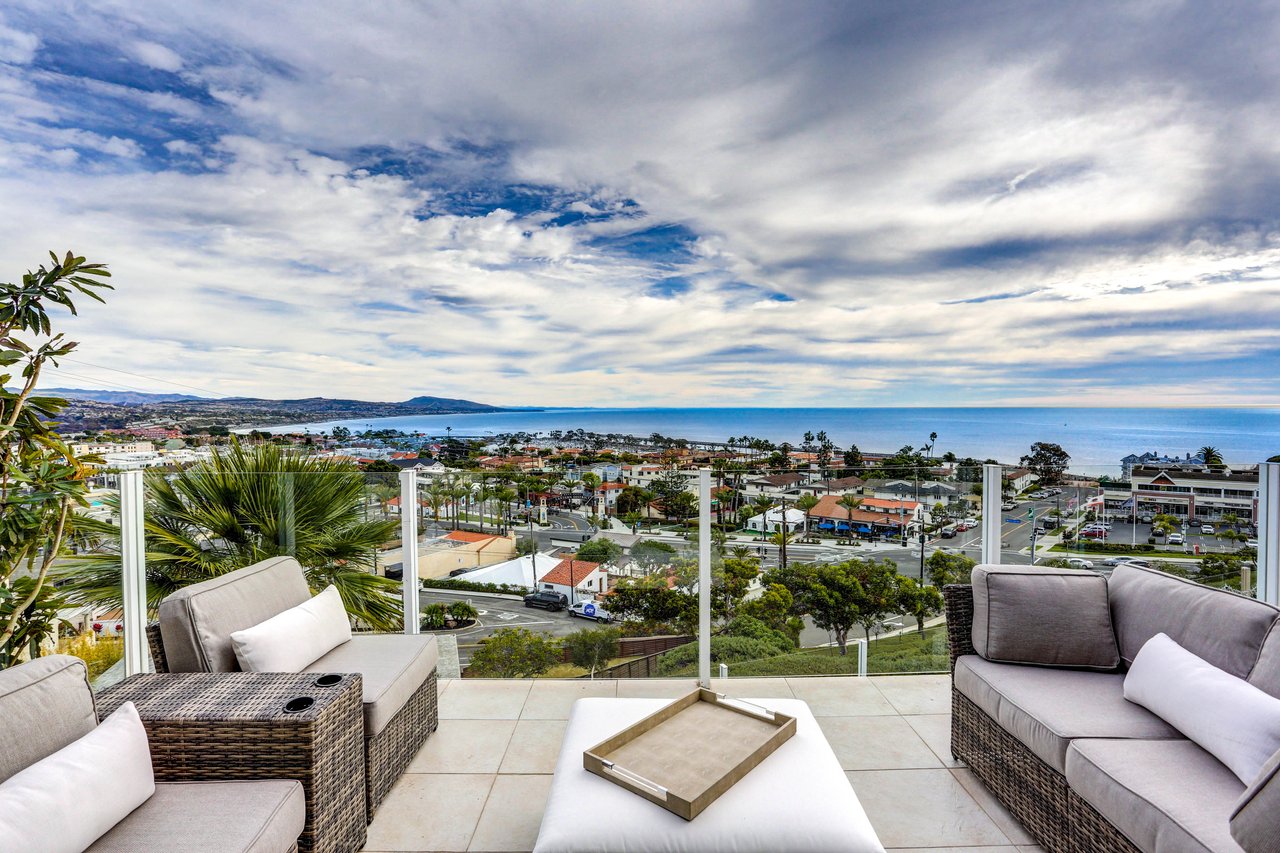
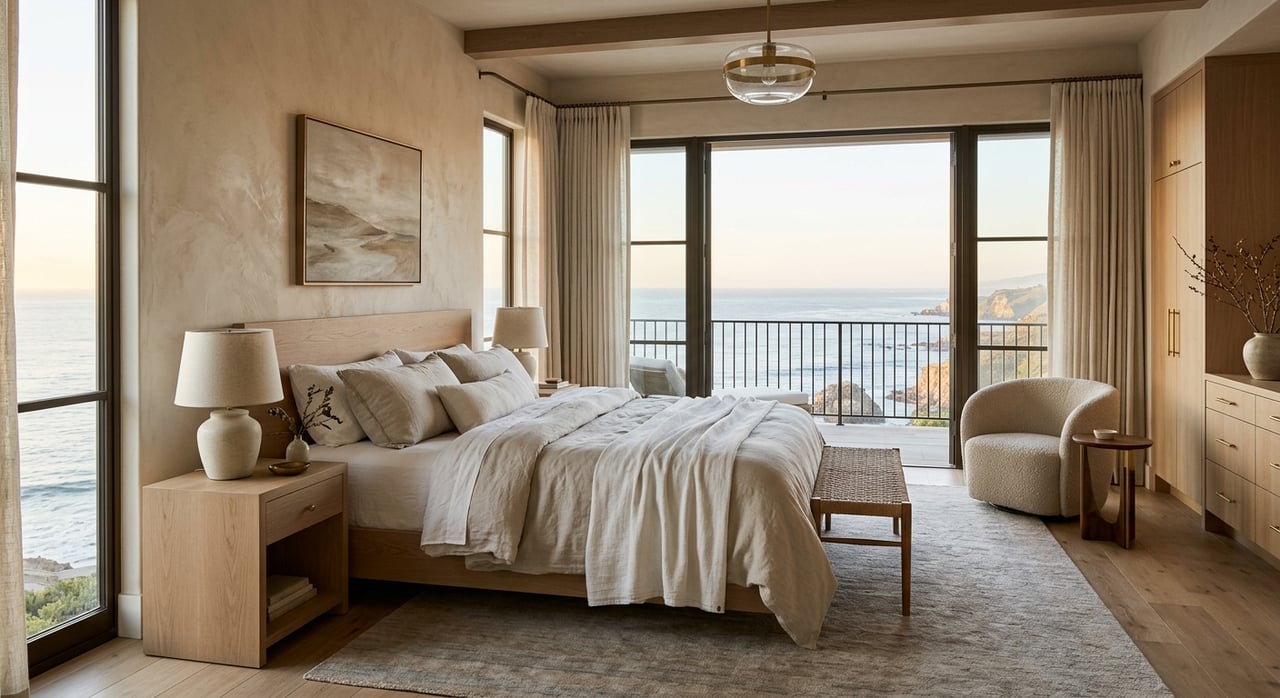
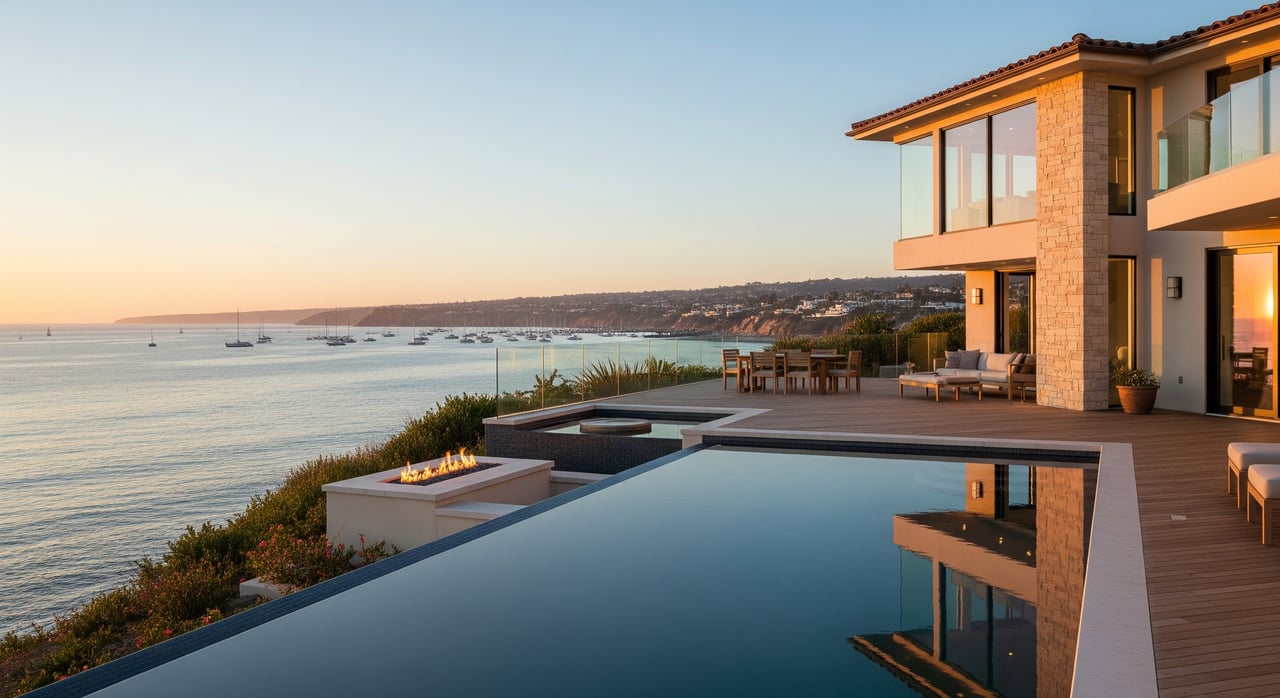
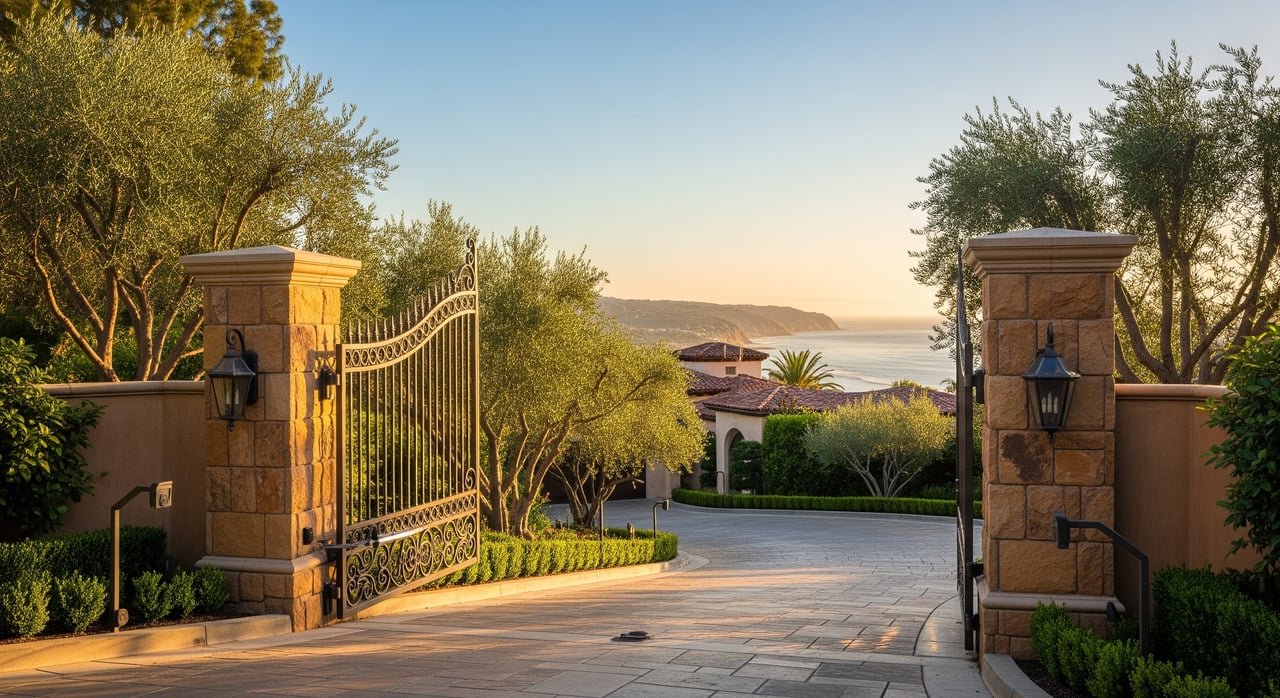
Monarch Beach and the Strands area offer scenic blufftop paths and beach access, with resort dining nearby. Streets feel residential and calm on weekdays, then livelier when the surf is good or hotels are busy. Many homes here focus on ocean vistas and gated privacy. You will find both luxury single‑family enclaves and townhome options that trade yard size for convenience and views.
Doheny State Beach and coastal access
Doheny State Beach draws surfers, families, and campers. It is one of the area’s most active beach zones, especially in summer. If you love paddleboarding before work or an evening shoreline stroll, this access is a daily luxury. Plan around seasonal parking demand when the weather is warm.
Inland pockets and parks
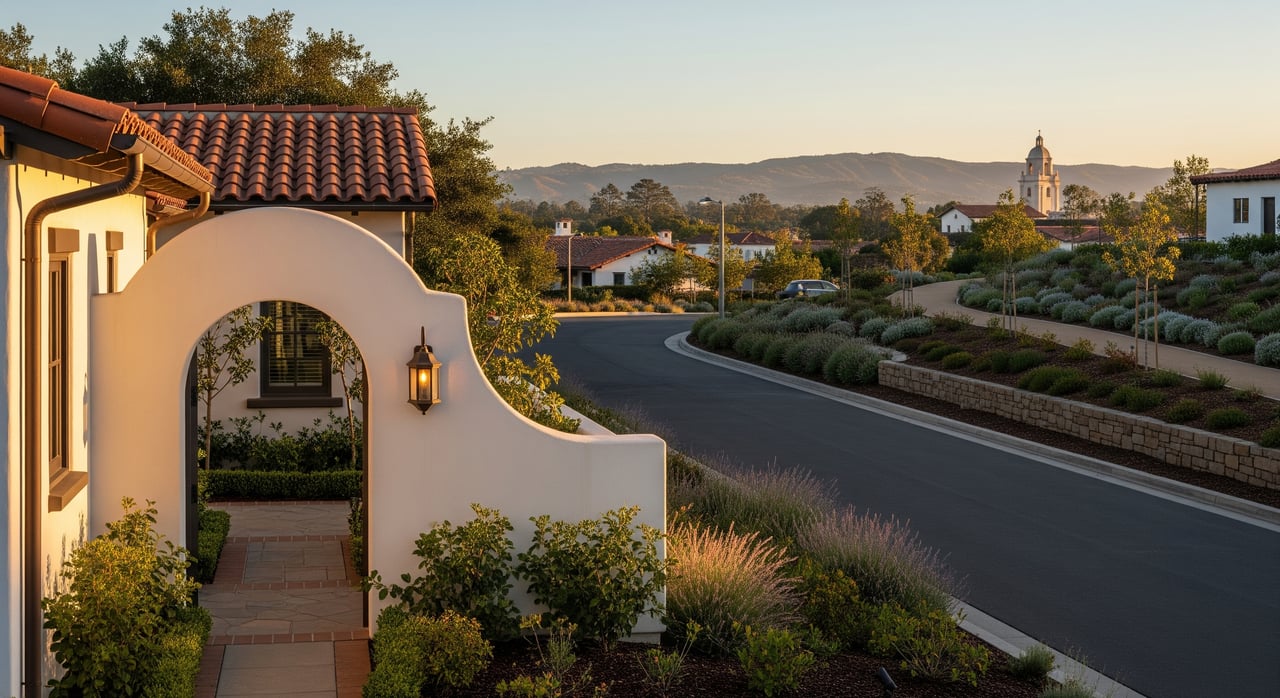
Inland neighborhoods offer a more typical suburban setup with local parks and easier garage parking. Many of these streets feed into Capistrano Unified campuses, including Dana Hills High School. The feel is quieter than the waterfront, yet you are still a short drive to beaches and the Harbor. Nearby Capistrano Beach and parts of San Clemente are adjacent, so double‑check city boundaries when comparing services or addresses.
Daily essentials and amenities
Dining, coffee, and groceries
Most day‑to‑day food runs and coffee stops cluster in the Lantern District and near the Harbor. You will find everything from casual coastal cafés to special‑occasion dining at resort properties in Monarch Beach. For larger retail runs, many residents head inland to Laguna Niguel, Mission Viejo, or Irvine. Daily grocery shopping is simple, and specialty markets are within a short drive.
Schools and youth activities
Public schools in Dana Point are served by Capistrano Unified School District. Dana Hills High School is the main local high school. For enrollment details, programs, and boundaries, check district resources. Families often tap youth sports, local parks, and the Ocean Institute for marine‑focused learning.
Health care and services
You will find local clinics and urgent‑care options in town. Full‑service hospitals are nearby in cities like Mission Viejo, Laguna Beach, or Irvine. Banking, gyms, and professional services are available locally, with more specialized providers a short drive inland.
Getting around: routes, transit, parking
Driving and major routes
Daily travel usually means driving. Pacific Coast Highway runs through Dana Point for coastal trips. Interstate 5 and the CA‑73 toll road connect you inland toward Irvine and other employment centers. Traffic builds during typical commute windows and spikes on summer weekends, especially near the Harbor and beaches.
Rail and bus options
OCTA bus routes serve Dana Point, though frequency is more limited than larger urban cores. For rail, many residents drive to stations in San Juan Capistrano or San Clemente to catch Metrolink or the Amtrak Pacific Surfliner. Park‑and‑ride works well if your office is along the rail corridor.
Walking, biking, and topography
Blufftop trails and coastal paths are perfect for recreation, sunrise to sunset. Some streets and hills make daily bike commuting more challenging, so most riders use bikes for fitness and leisure. In the Lantern District and Harbor, walking to dinner or coffee is part of the appeal.
Typical commute patterns
Common commute destinations include Irvine, Costa Mesa, and Santa Ana, with some residents traveling north toward Los Angeles. Median coastal commute times often fall in the 25 to 40 minute range, depending on route and time of day. Your exact schedule, rail access, and toll road choices will shape your experience.
Seasons, events, and local rhythm
Spring and the Festival of Whales
Each spring, Dana Point celebrates migrating whales with the Festival of Whales. Expect boat tours, educational programs, and larger weekend crowds. Whale‑watching picks up around this time, and harbor dining and parking get busier.
Summer beach season
Summer brings peak visitor volume. Lifeguard staffing increases at major beaches, and the Marina and Harbor are lively from morning to evening. If you live nearby, plan neighborhood errands early in the day and consider ride‑share or walking to dining in peak times. Evenings often cool with a marine breeze, which makes patio dining part of the weekly routine.
Fall and winter pace
Fall and winter are quieter, with mild temperatures that still invite outdoor time. You may notice some off‑season adjustments at tourist outlets, but the Harbor remains a social hub. Holiday traditions include tree lighting and a harbor boat parade, which bring a festive glow without overwhelming the city.
Climate and everyday outdoor life
Dana Point’s coastal climate stays temperate most of the year. Summer highs often sit in the 60s to 70s, and winter days feel cool to mild. June Gloom can bring foggy mornings in late spring and early summer. For many residents, the weather is a daily invitation to surf, sail, or take a sunset walk on the bluffs.
Buyer and homeowner considerations
Housing types and cost context
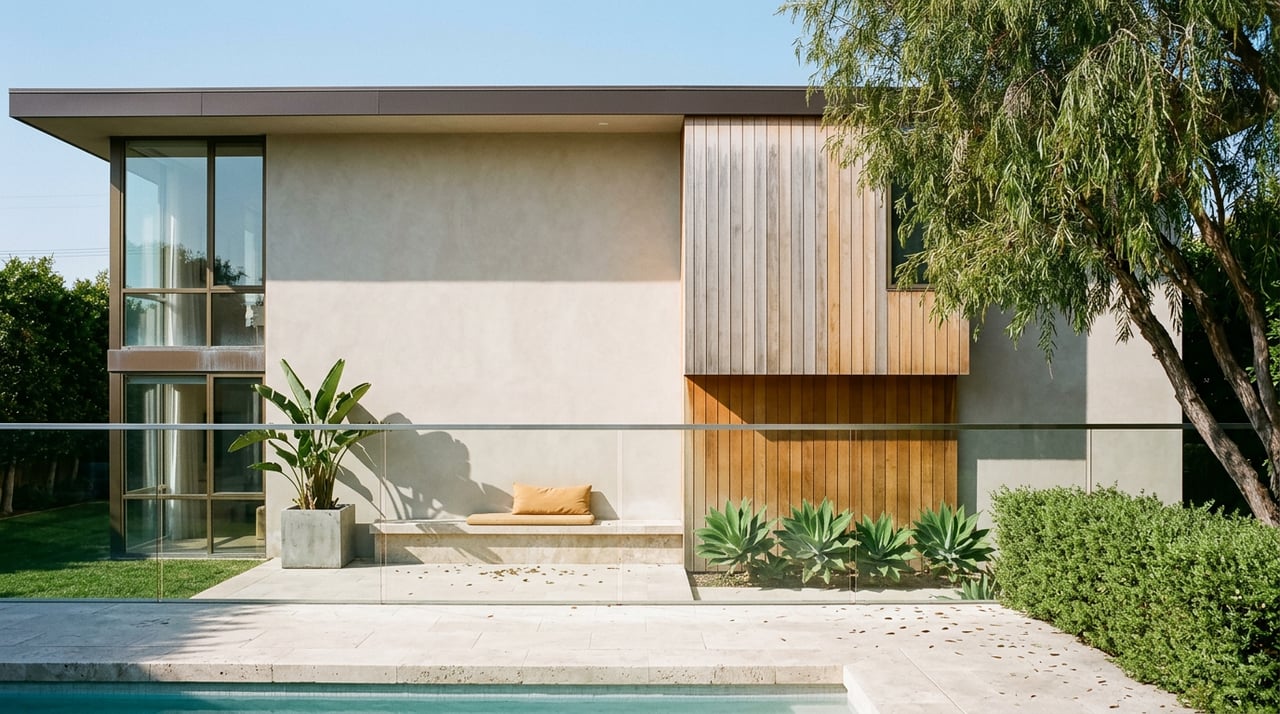
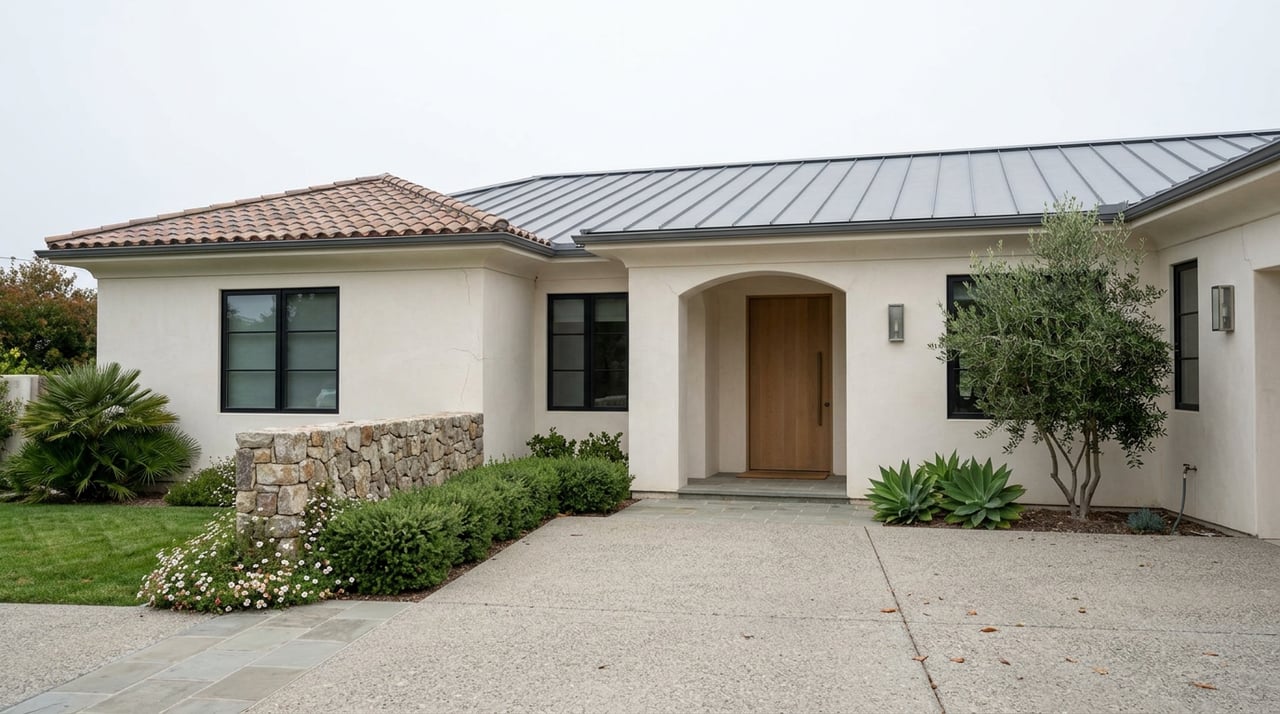
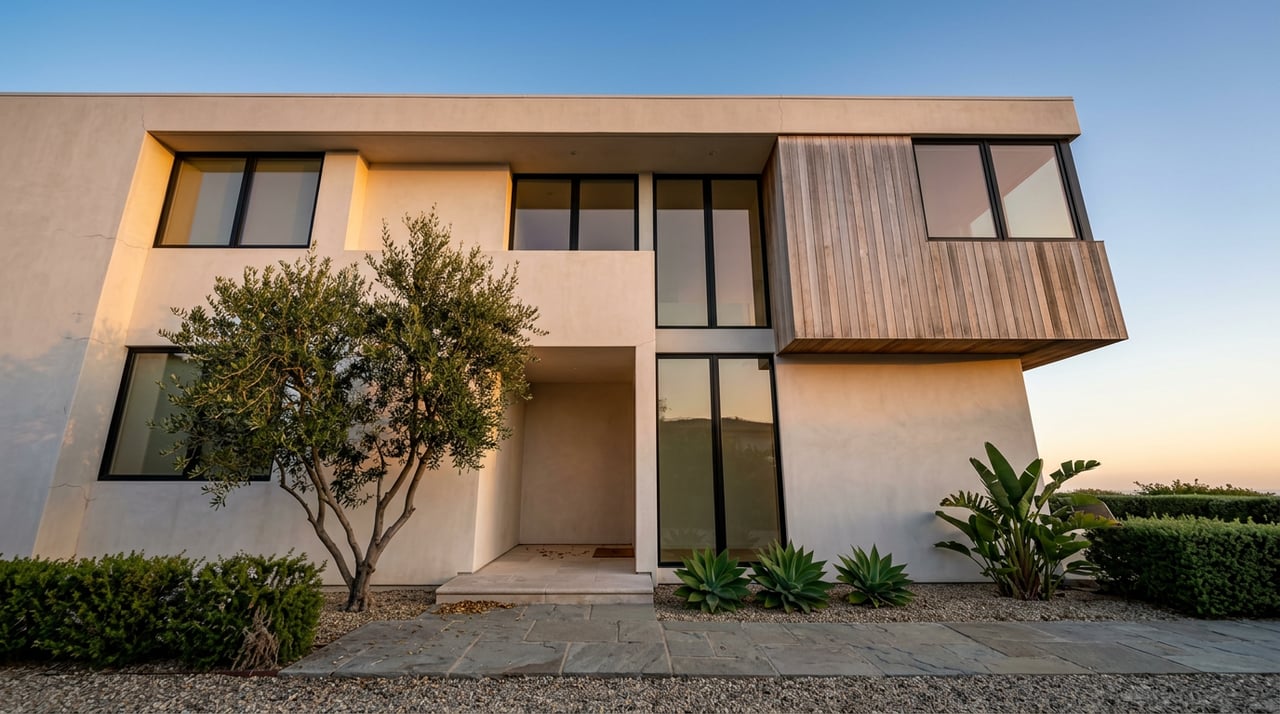
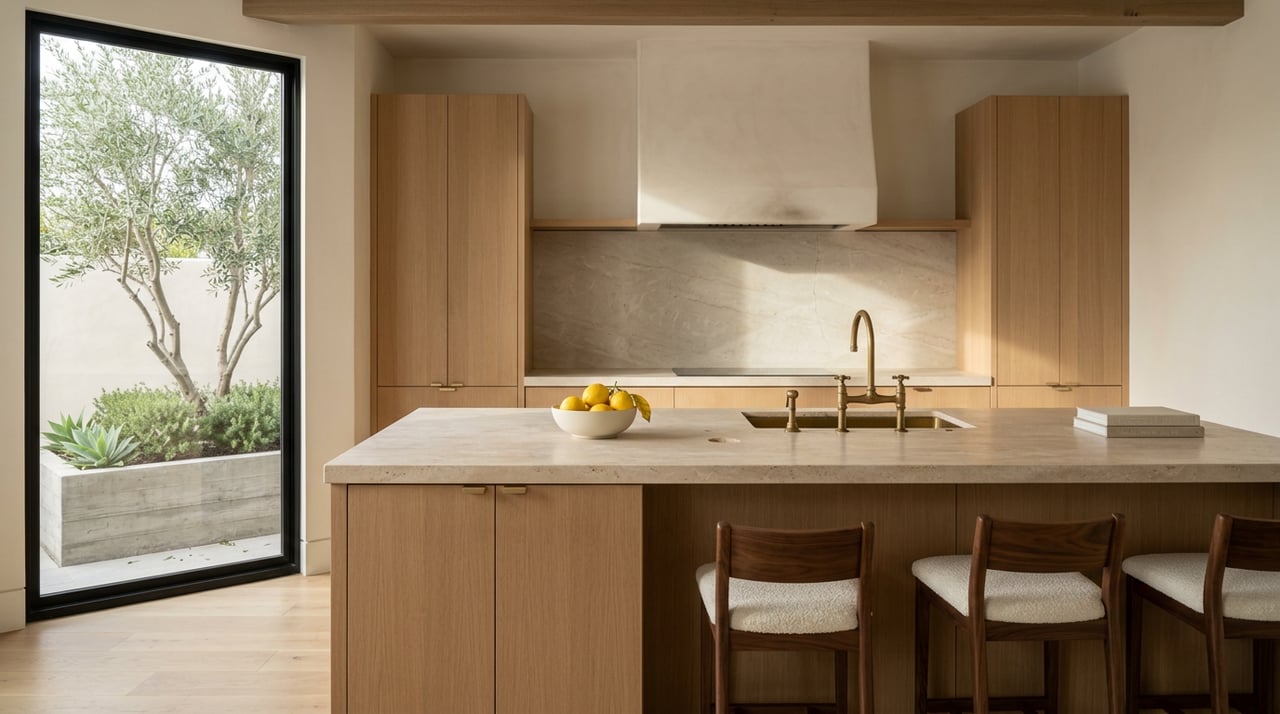
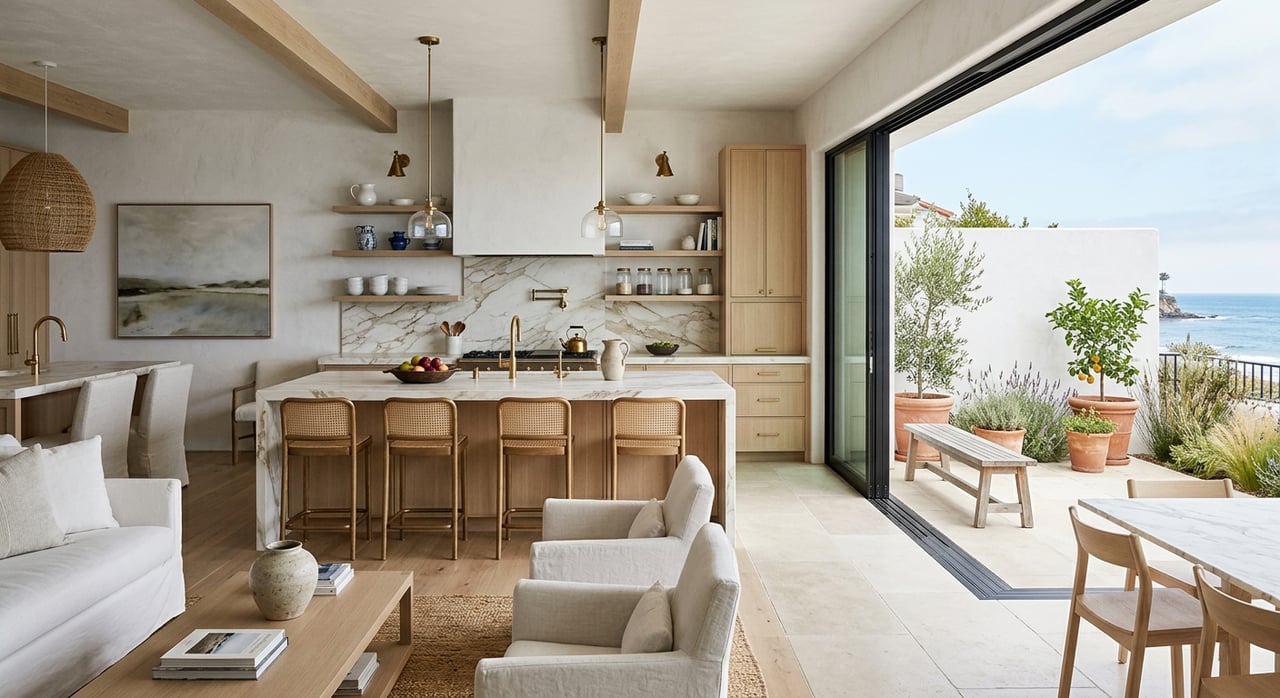
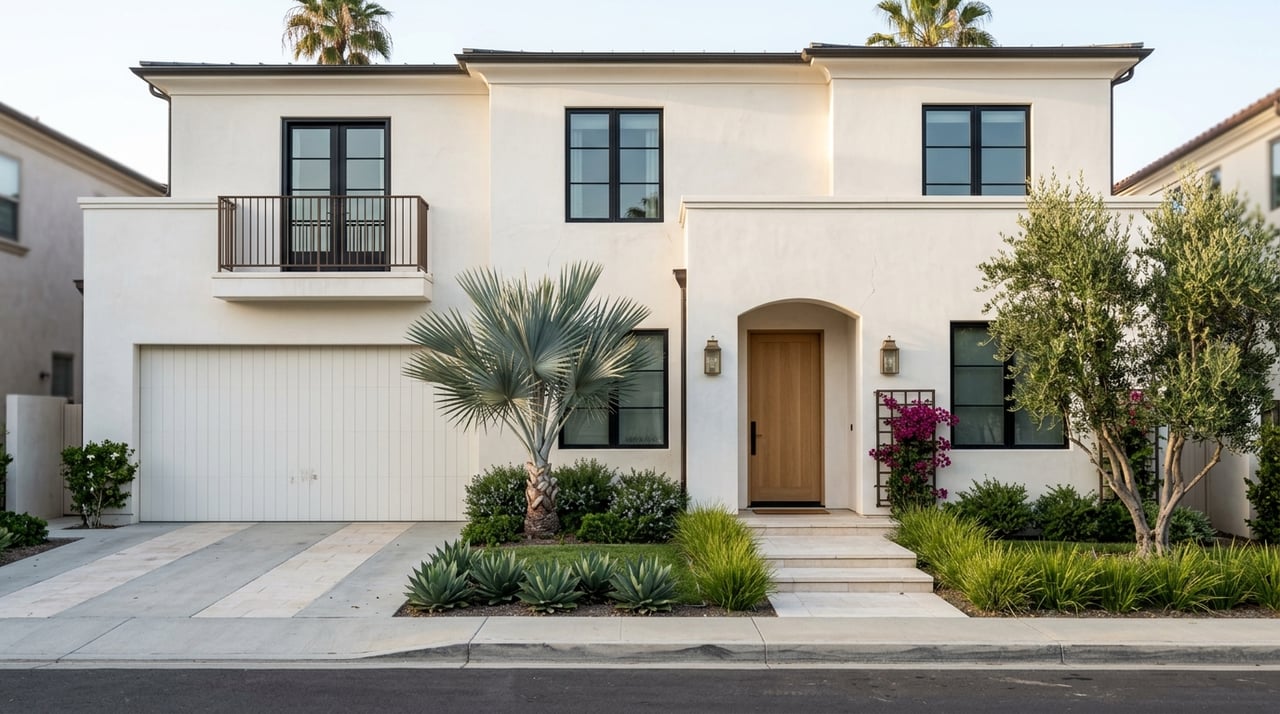
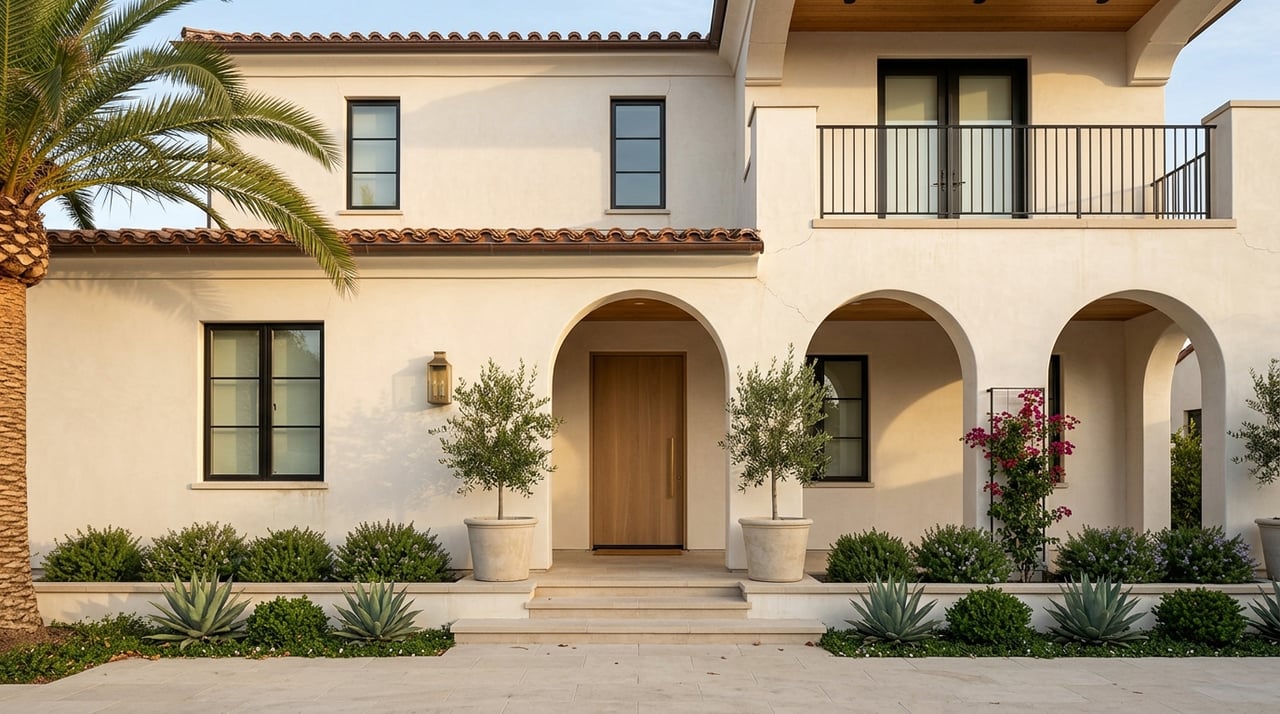
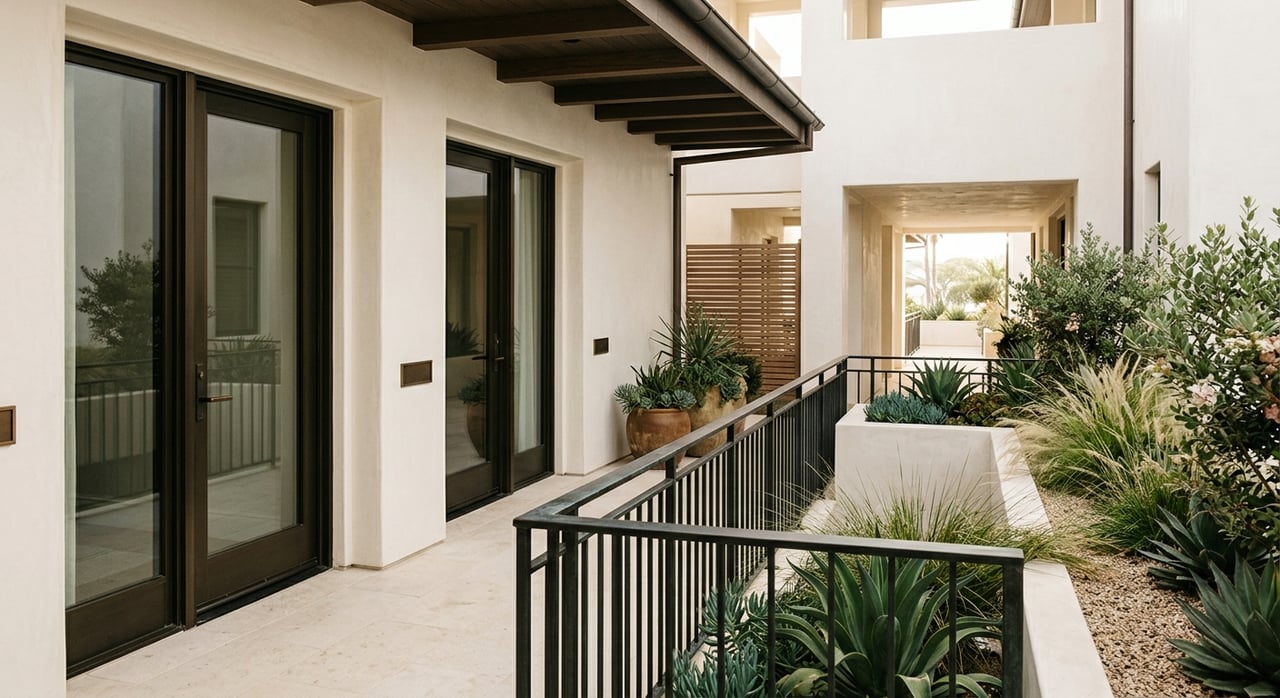
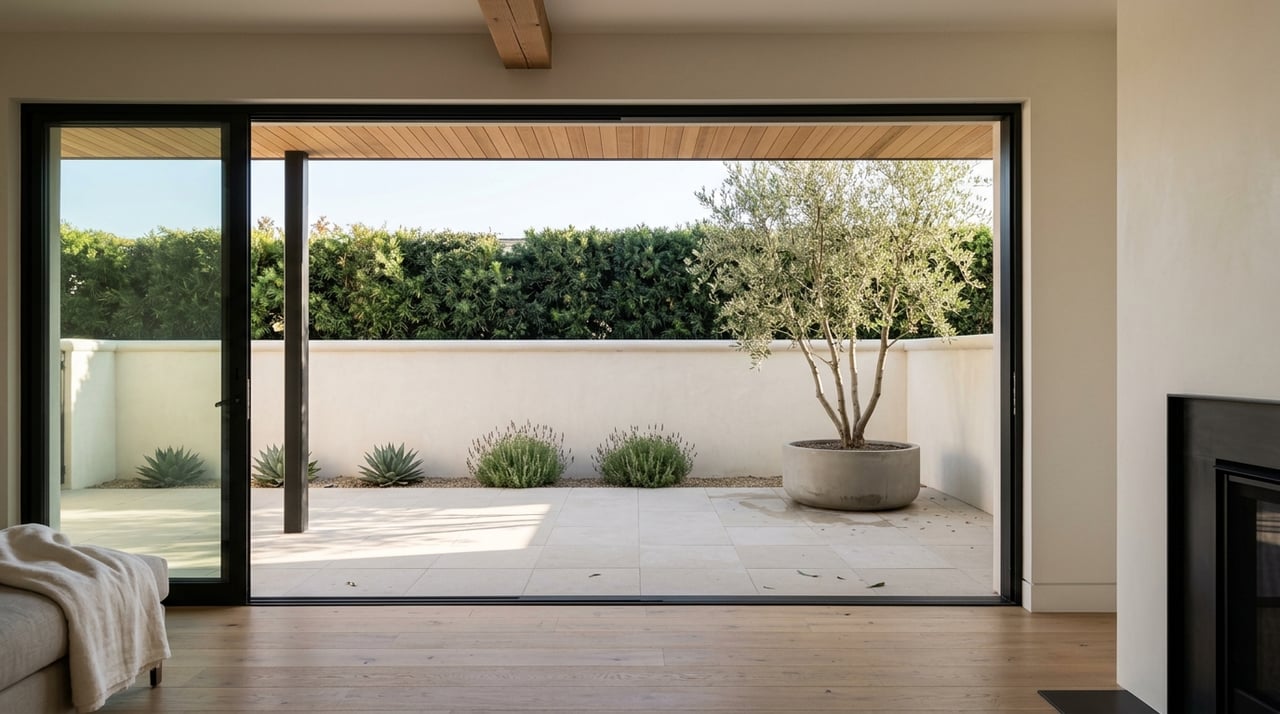
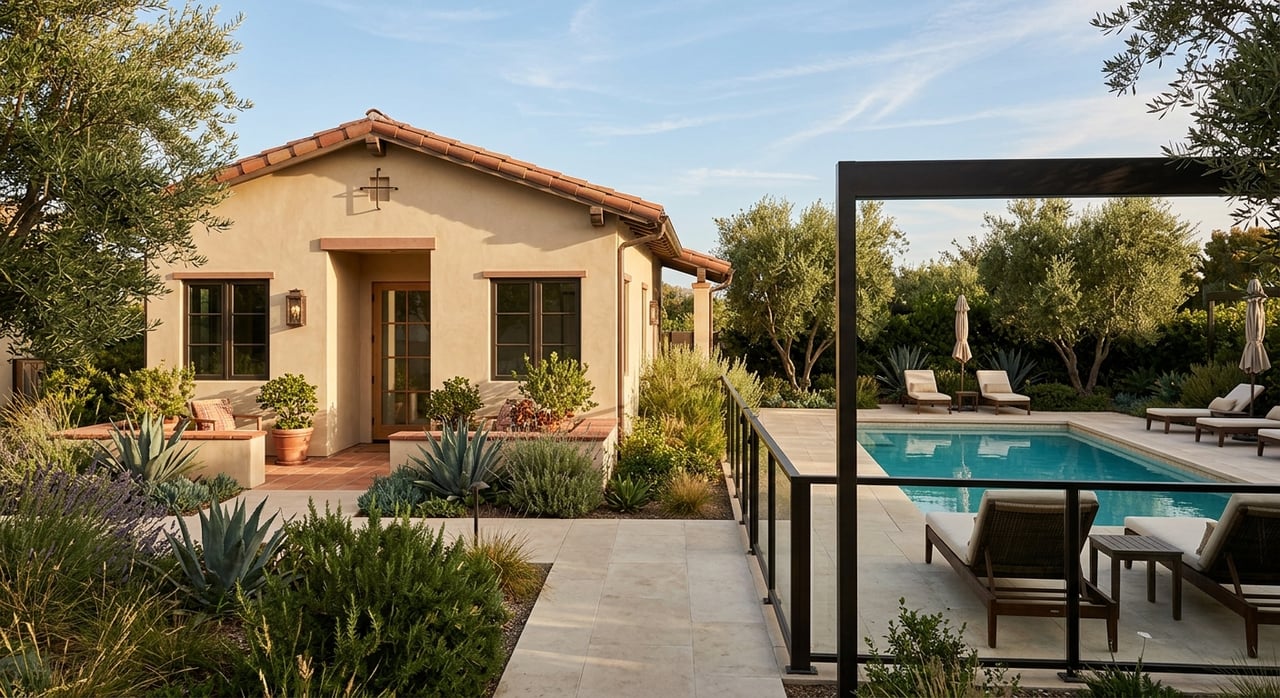
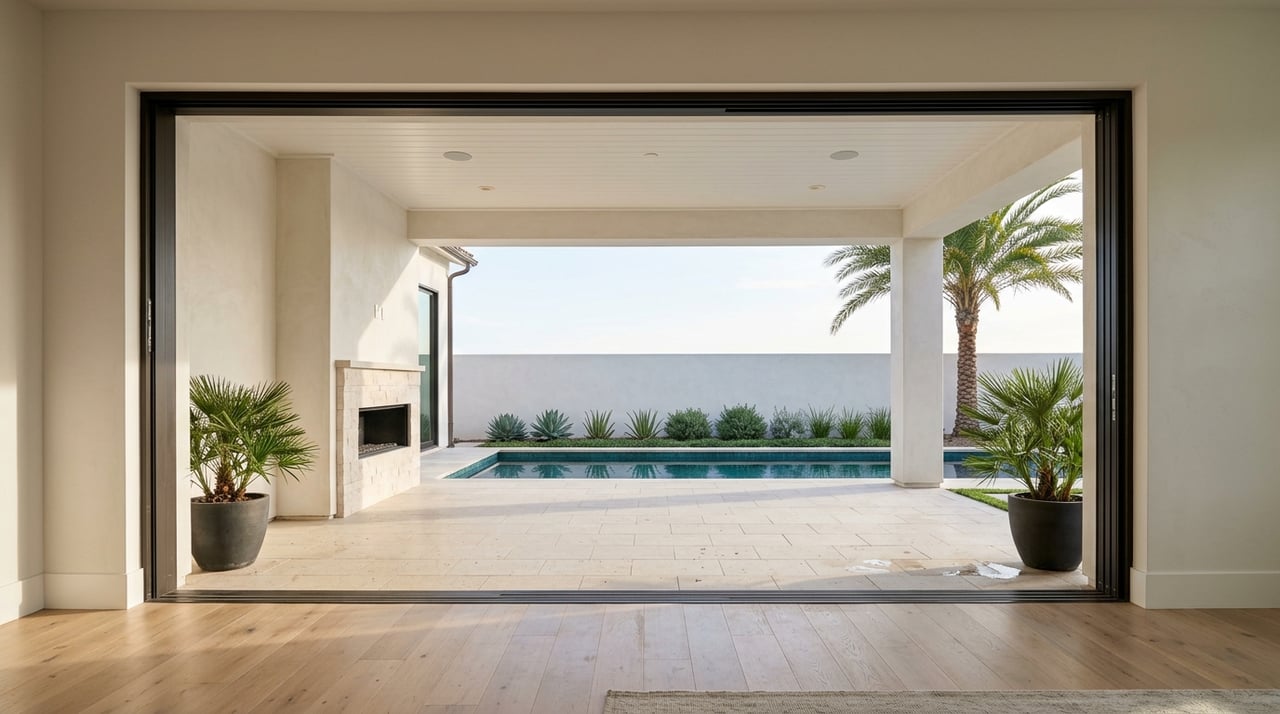
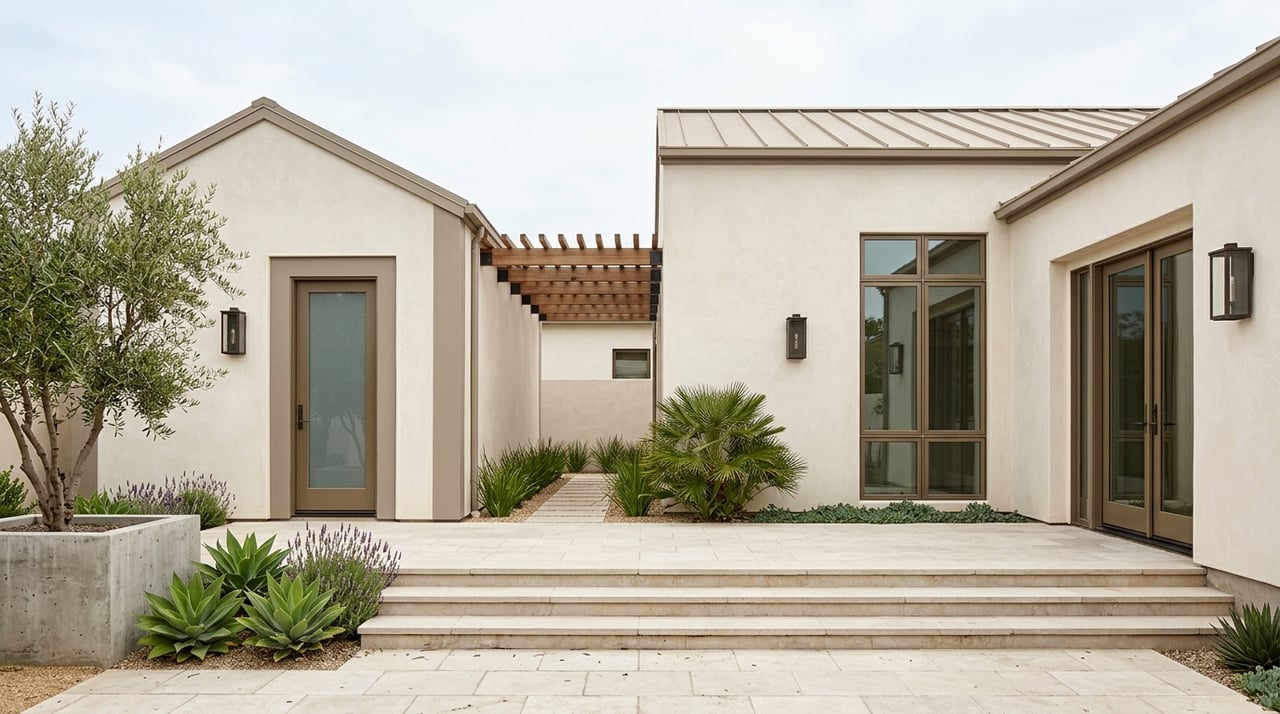
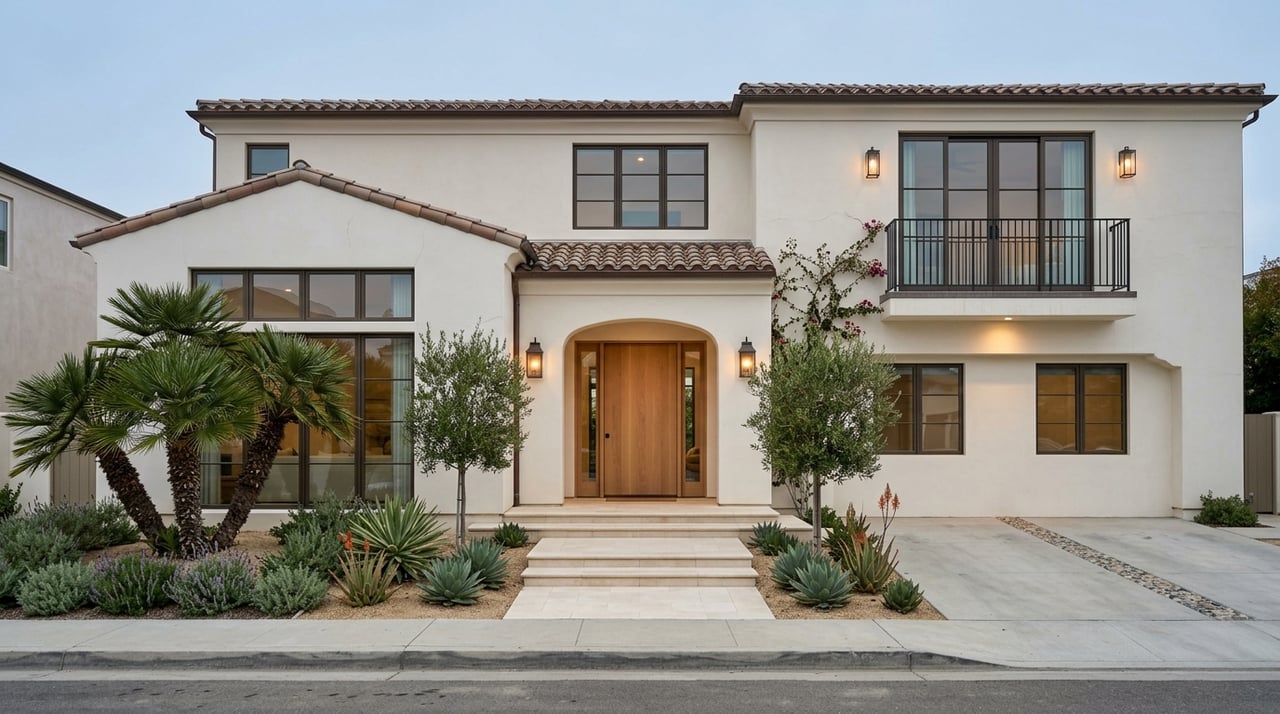
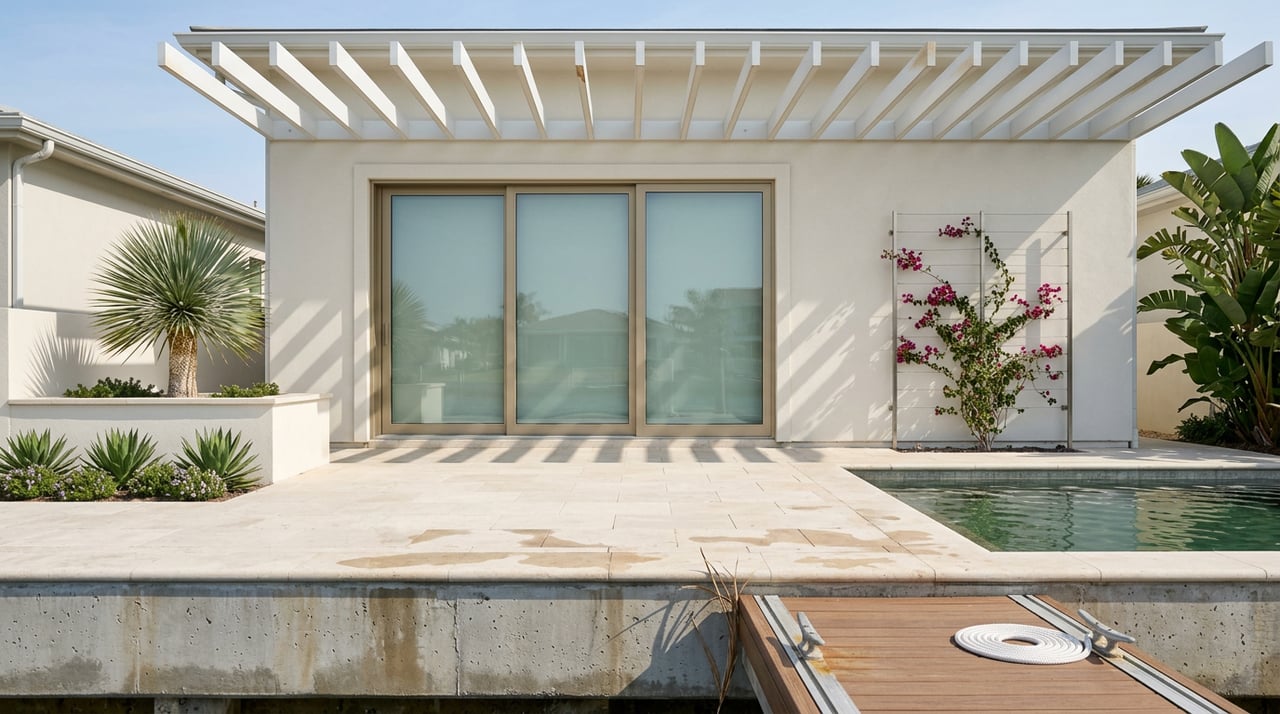
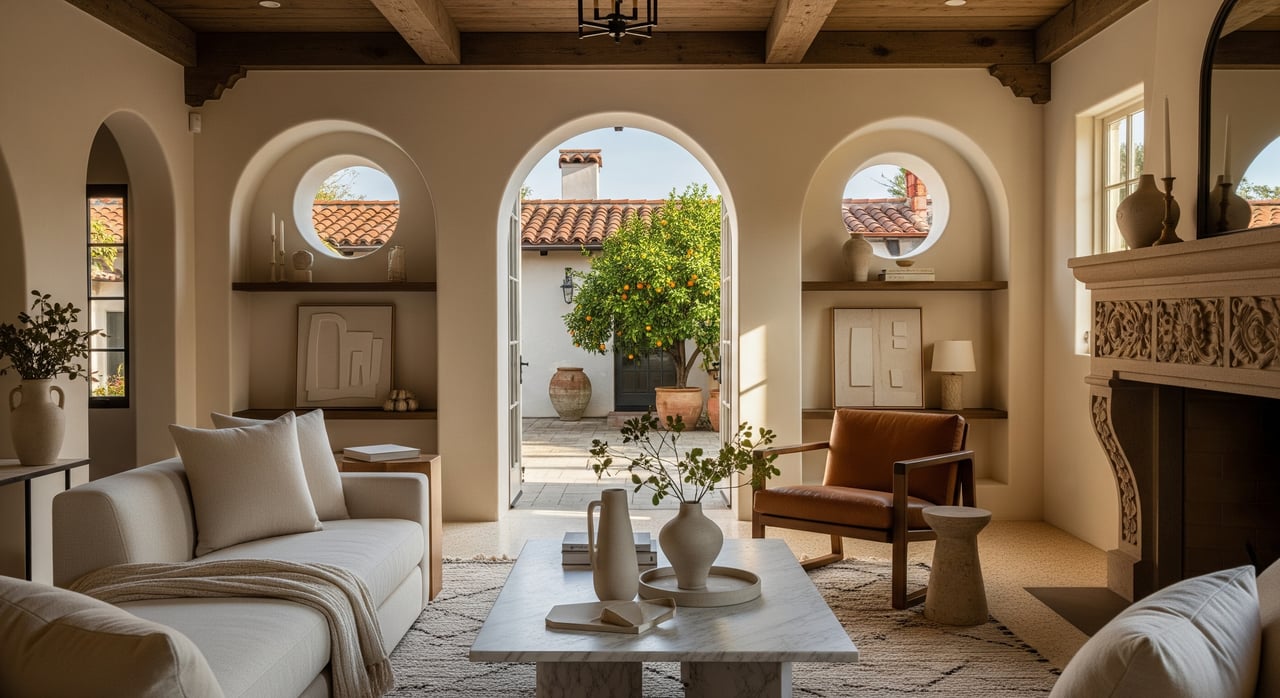
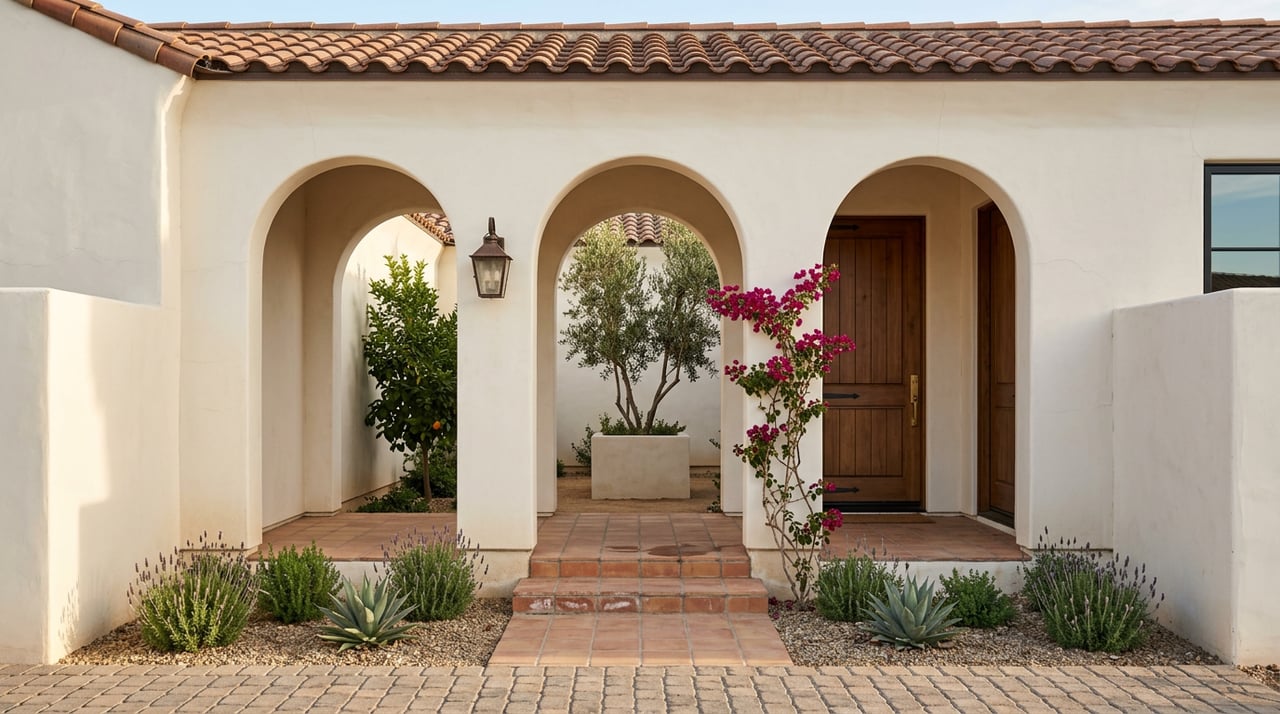
Dana Point is a premium coastal market by Orange County standards. You will see oceanfront estates, bluff homes with dramatic views, single‑family homes inland, and townhomes or condos near the Harbor and in Monarch Beach. Entry prices vary by product type, with condos and townhomes offering a relatively lower point of entry than detached or bluff properties.
Second homes and short‑term rentals
Second‑home demand is part of the market mix. If you plan to rent a property for short stays, check current local permitting, transient occupancy tax requirements, and any HOA rules. Regulations can change, so confirm with the City’s planning and finance departments before you buy.
Coastal hazards and insurance
Shoreline living is special, and it comes with unique considerations. Coastal erosion, bluff stability, and sea‑level rise are real factors for certain properties. It is smart to review FEMA flood maps, California Coastal Commission guidance, and local geotechnical reports. Insurance needs may include standard homeowners coverage plus flood or other coastal‑risk policies, depending on location.
HOAs, parking, and maintenance
Many beachfront, bluff, or gated communities have HOAs or condo associations. Fees reflect shared amenities, common‑area upkeep, and in some cases bluff maintenance. Salt air increases wear on paint, metalwork, and HVAC, so plan for a higher maintenance cadence than inland homes. In dense or popular coastal pockets, review guest parking rules, street parking limits, and event‑weekend restrictions.
Practical moving tips
Try to schedule moves outside peak tourist weekends, especially near the Harbor, Doheny, and the resorts. If a truck needs curb space on a narrow street, secure permits early. Verify utilities and providers for your exact address, since some coastal pockets use different service arrangements. A quick checklist helps:
- Confirm HOA rules for move‑in windows and elevator or gate access.
- Book movers with local coastal experience, then time around events and beach traffic.
- Line up internet and cable installs to match your move date.
- Plan for sand and salt air, protect flooring on move‑in day, and schedule an HVAC tune‑up.
Is Dana Point a fit for you?
If you want an ocean‑oriented routine, a relaxed but polished vibe, and a community that balances full‑time residents with seasonal energy, Dana Point delivers. You can live close to the water or pick a quieter inland street, then spend free time in the Harbor, on coastal trails, or at a local café. The key is choosing the right pocket for your day‑to‑day needs, including commute, parking, and maintenance.
When you are ready to compare neighborhoods, review HOA nuances, or map a strategy for listing your current home, connect with a local advisor who knows the bluffs, gates, and view corridors by heart. For private guidance, pricing advice, and concierge marketing or purchase representation, reach out to Kathy Samuel.
FAQs
What is the weather like in Dana Point most of the year?
- Expect a mild coastal climate with temperate summers, cool to mild winters, and some foggy mornings in late spring and early summer.
Where do you catch commuter rail near Dana Point?
- Residents typically drive to nearby stations in San Juan Capistrano or San Clemente to ride Metrolink or the Amtrak Pacific Surfliner.
How busy do beaches and the Harbor get in summer?
- Summer is peak season, so beach and harbor areas see higher traffic, tighter parking, and a lively dining scene, especially on weekends.
Are short‑term vacation rentals allowed in Dana Point?
- Rules exist and may include permits, transient occupancy tax collection, and compliance with municipal and HOA regulations, so verify with the City before you rent.
What schools serve Dana Point addresses?
- Public schools are served by Capistrano Unified School District, and Dana Hills High School is the main local high school for the city.
What kinds of homes will you find in Dana Point?
- Options range from oceanfront estates and bluff homes to inland single‑family neighborhoods and condos or townhomes near the Harbor and Monarch Beach.