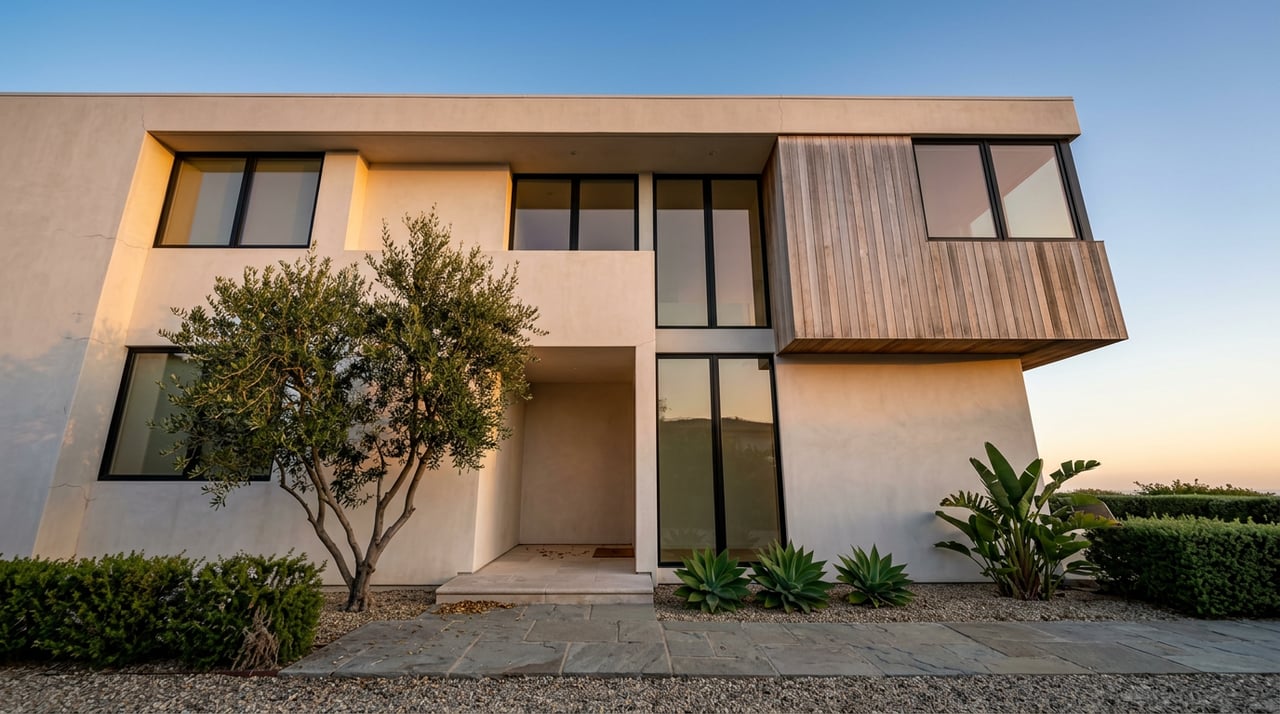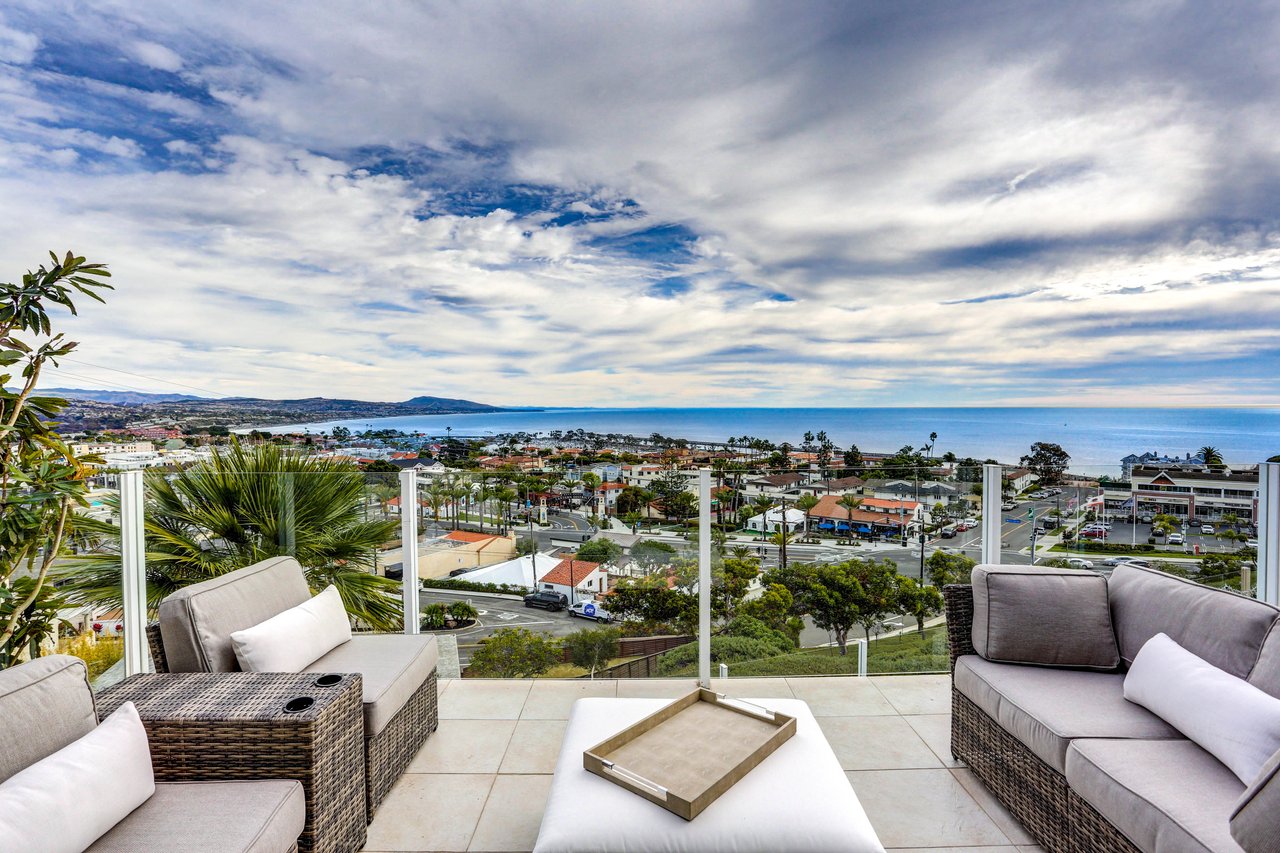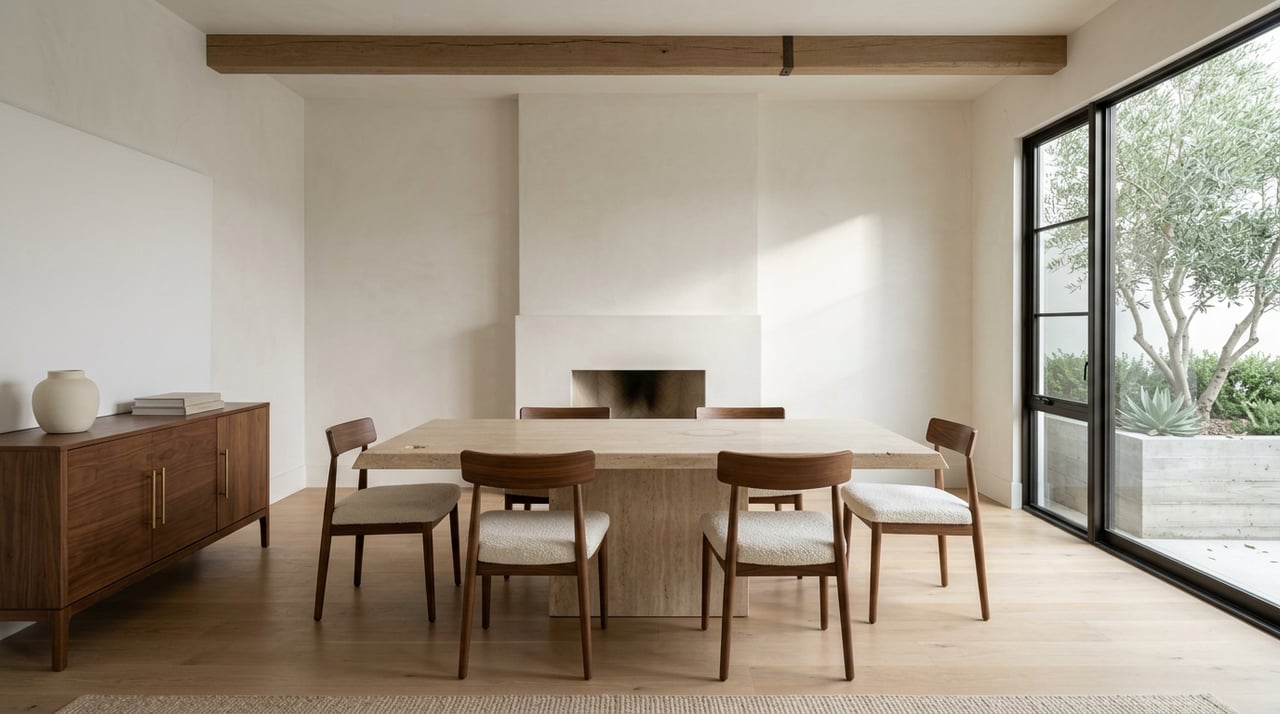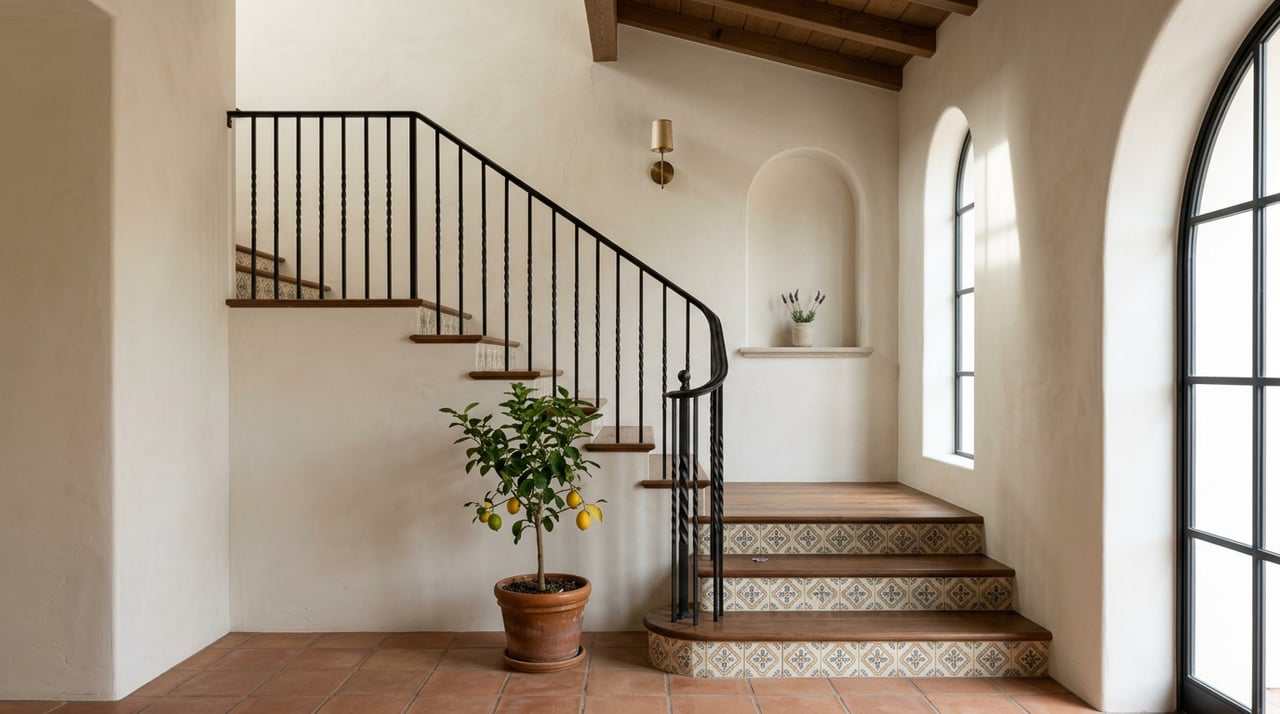
If Newport Beach luxury rentals seem confusing, you are not imagining it. A listing can look similar on the surface, yet the pricing, lease length, and what is actually included can be dramatically different. If you are trying to lease a property or secure the right luxury rental, understanding how this market is structured can save you time, money, and frustration. Let’s dive in.
Why Newport Beach luxury leases feel different
Newport Beach is a high-price, limited-inventory rental market, and that shapes everything. As of May 2, 2026, Zillow reports an average asking rent of $10,000 per month across all property types, with 391 available rentals. It also shows that 307 listings fall into the $5,000+ range, which tells you the upper end is not a small niche here.
The single-family and waterfront segment often operates in an entirely different pricing band. Apartments.com reports an average house rent of $23,194 per month, which helps explain why a bayfront home and a standard apartment should never be compared as if they belong to the same market. In Newport Beach, the luxury lease space is really a collection of smaller submarkets.
The 30-day rule changes everything
Why 30 days matters in Newport Beach
In Newport Beach, the biggest dividing line is not just price. It is lease length. The city defines short-term lodging as the rental of a residential unit for 30 consecutive days or less, including home sharing.
That definition matters because short-term lodging comes with a different set of city rules. In R-1.5, R-2, and RM zones, owners or agents must obtain a Short Term Lodging Permit and a business license. The city also states that short-term lodging is subject to a 10% transient occupancy tax.
Why many luxury listings are 31+ days
The city caps active short-term lodging permits at 1,550 and says no new permits are being issued until the count drops below that number. That helps explain why so many luxury listings are offered as 31+ day stays, winter rentals, or longer traditional leases instead of true short-term rentals.
You can see this in active marketing across the market. Some bayfront listings clearly state a minimum stay of 31 days or more, while other furnished properties are positioned as seasonal rentals, such as a 7-month winter term. In practice, that 30-day line often determines how an owner chooses to market the home.
Seasonality plays a real role
Newport Beach is a destination market, and summer demand affects rental pricing. Zillow’s monthly trend data shows average rent moving from $7,750 in January 2025 to $9,000 in September 2025 and then to $10,000 in May 2026. That does not mean every property follows the same pattern, but it does show upward pricing pressure over time.
The city’s broader visitor cycle also helps explain why summer carries a premium. Newport Beach’s tourism marketing identifies summer as a key destination season, and luxury rental pricing often reflects that reality. In a coastal market like this, timing can be just as important as square footage.
What seasonality looks like in real pricing
In the luxury lease market, the same property may be priced very differently depending on the month and term. One furnished bayfront listing asks $15,000 per month in the off-season and $30,000 per month in June, July, and August. Another furnished loft markets $9,000 per month as the annual lease price while noting that rates vary by season and lease length.
This is why advertised rent needs context. A summer rate, a winter rate, and an annual lease rate may all exist for the same home. Without clarifying the term, you may not be comparing the true market value.
Furnished and unfurnished are different markets
Furnished rentals serve a specific need
Newport Beach has a meaningful furnished-rental segment. Zillow currently shows 139 furnished houses and 64 furnished apartments in the city, which confirms that furnished inventory is not just occasional overflow. It is an established part of the market.
These homes often appeal to people in transition. That can include corporate housing users, temporary relocation clients, and homeowners renovating another property. In this segment, listings may include not only furniture, but also linens, cookware, dishes, electronics, and artwork.
Unfurnished leases usually follow a steadier model
By contrast, more conventional luxury leases tend to look more like a traditional 12-month rental. One ocean-view townhouse example specifies a 12-month lease and notes that the tenant pays utilities while the owner pays HOA costs. That structure is very different from a furnished seasonal rental that bundles more items into one monthly price.
For owners, this means your leasing strategy should match the property and your goals. For tenants, it means you should decide early whether you need flexibility and convenience or a longer-term arrangement with a different cost structure.
What you should compare before judging the rent
In Newport Beach luxury leasing, base rent alone rarely tells the full story. Two homes at the same monthly price can have very different real costs depending on term, furnishings, utilities, and season. If you want a true apples-to-apples comparison, you need to look deeper.
Here are the main items to review:
- Lease term: Is the rate for a 31+ day stay, a seasonal term, month-to-month occupancy, or a 12-month lease?
- Furnishings: Does the home include full furniture, housewares, linens, and electronics, or is it delivered empty?
- Utilities: Are water, gas, trash, electric, and internet included, or paid separately by the tenant?
- Parking: Is parking included, and if so, how many spaces?
- HOA costs: If applicable, does the owner cover HOA dues?
- Seasonal pricing: Is the quoted rate an annualized number, an off-season rate, or a summer premium?
Why bundled costs matter
Some furnished listings include utilities and internet. Other longer-term leases shift water, gas, trash, and electric to the tenant. That difference can materially change what the monthly rent actually means.
For owners, net income should be measured after accounting for season, term, furnishing level, utilities, HOA costs, and any short-term lodging tax if the stay is 30 days or less. For tenants, the right question is not just, “What is the rent?” It is, “What does this rent actually include?”
What owners should know before leasing out a luxury home
If you own a luxury property in Newport Beach, pricing strategy should start with the use case. A furnished bayfront property positioned for seasonal demand may be marketed very differently from an unfurnished home seeking a 12-month tenant. The best plan depends on your location, the home’s setup, and the amount of flexibility you want.
You also need to review city and property-level rules before advertising. Newport Beach states that owners in HOA communities should review their CC&Rs before applying for permits or offering the property. That step can help you avoid marketing a lease structure that is not allowed by your community documents.
A simple owner checklist
Before you bring a luxury lease to market, consider:
- Your ideal lease term
- Whether the home should be furnished or unfurnished
- Which expenses you will include in rent
- Whether your zoning and city rules affect the term you can offer
- Whether HOA rules add restrictions
- How seasonality affects your pricing window
What tenants should ask before signing
If you are searching for a Newport Beach luxury rental, clarity matters more than speed. A polished listing may still leave out details that affect your budget and your day-to-day experience. Asking the right questions early can prevent surprises later.
Start with the basics, then move into the practical details of occupancy. In this market, you should confirm exactly how the lease is structured before assuming the monthly price reflects your total cost.
A smart tenant checklist
Ask these questions before moving forward:
- Is the advertised price based on summer, off-season, or annual lease terms?
- What is the minimum lease length?
- Is the property furnished, partially furnished, or unfurnished?
- Which utilities and services are included?
- Is internet included?
- What parking comes with the property?
- Are there any seasonal rate changes tied to specific months?
The real takeaway on Newport Beach luxury leasing
The Newport Beach luxury lease market works best when you view it as a set of distinct categories, not one simple rental pool. The biggest variables are lease length, season, furnishing level, and what costs are bundled into the quoted rent. Once you understand those moving parts, the pricing starts to make much more sense.
Whether you are an owner evaluating leasing strategy or a tenant comparing options, local guidance matters in a market this layered. If you want a clear, evidence-based approach to coastal luxury leasing in Newport Beach and South Orange County, connect with Kathy Samuel for experienced, personalized guidance.
FAQs
What defines a short-term rental in Newport Beach?
- In Newport Beach, the city defines short-term lodging as the rental of a residential unit for 30 consecutive days or less, including home sharing.
Why are many Newport Beach luxury rentals offered for 31 days or more?
- Many luxury rentals are structured for 31+ day stays or longer because short-term lodging is regulated by the city, requires permits in certain zones, is subject to a permit cap, and includes a 10% transient occupancy tax for stays of 30 days or less.
What is the average rent in the Newport Beach rental market?
- As of May 2, 2026, Zillow reports an average asking rent of $10,000 per month across all property types in Newport Beach.
How is a furnished Newport Beach luxury rental different from an unfurnished lease?
- Furnished rentals often target temporary stays, relocation, or renovation needs and may include furniture, linens, cookware, dishes, electronics, and other household items, while unfurnished leases more often follow a traditional longer-term structure such as a 12-month term.
What should tenants compare when reviewing Newport Beach luxury lease prices?
- Tenants should compare the lease term, whether the home is furnished, which utilities and services are included, parking, and whether the quoted rate reflects seasonal pricing or an annual lease rate.
What should owners review before leasing out a Newport Beach property?
- Owners should review city rules tied to lease length, confirm whether short-term lodging regulations apply, account for all bundled and operating costs, and check HOA CC&Rs before advertising the property.