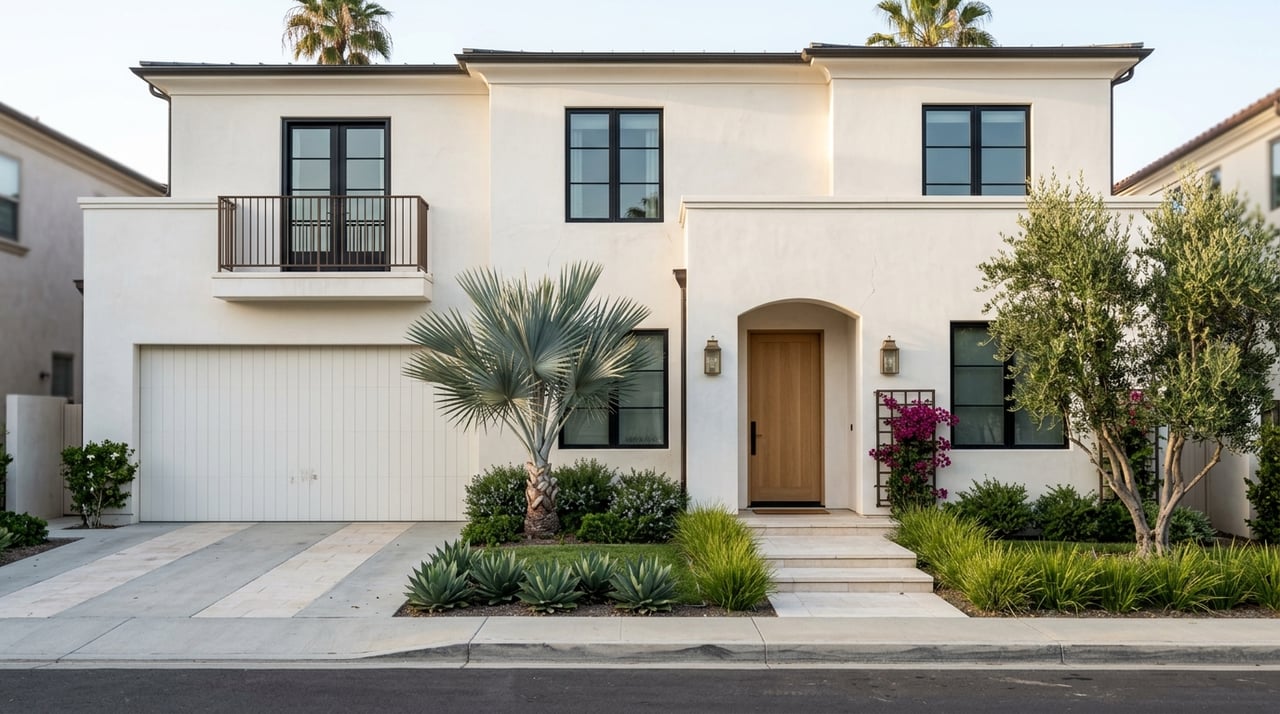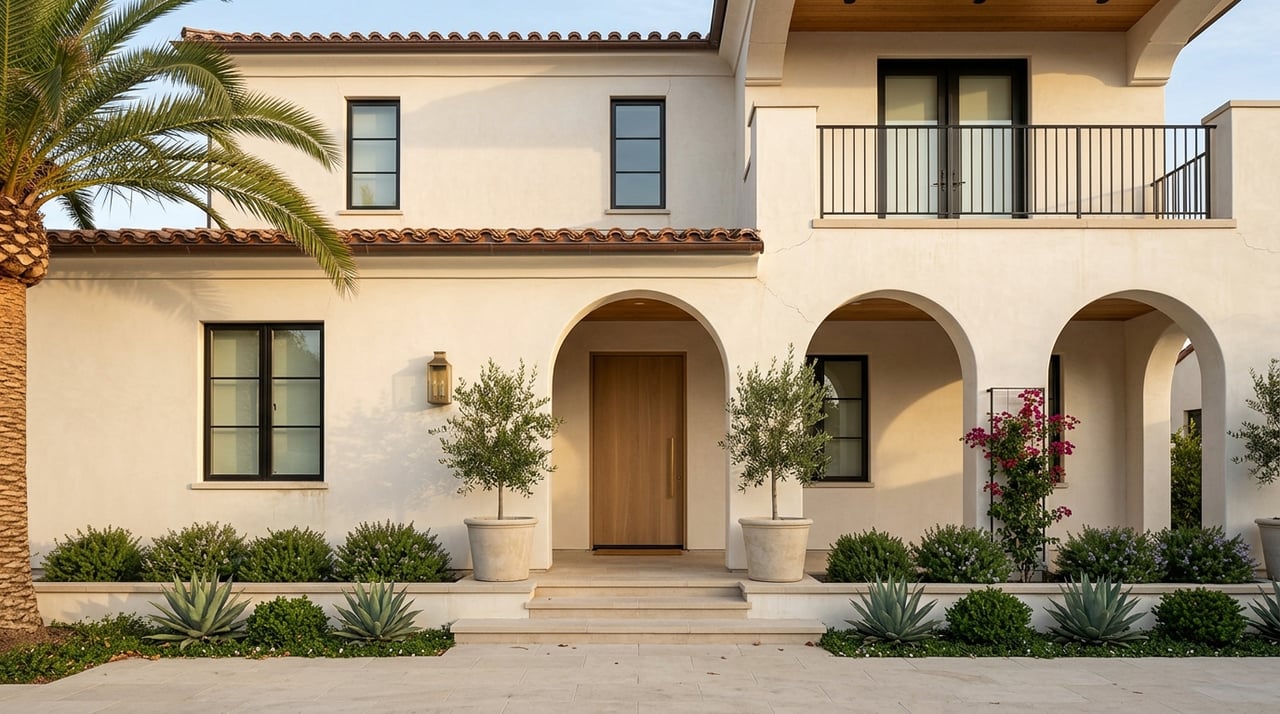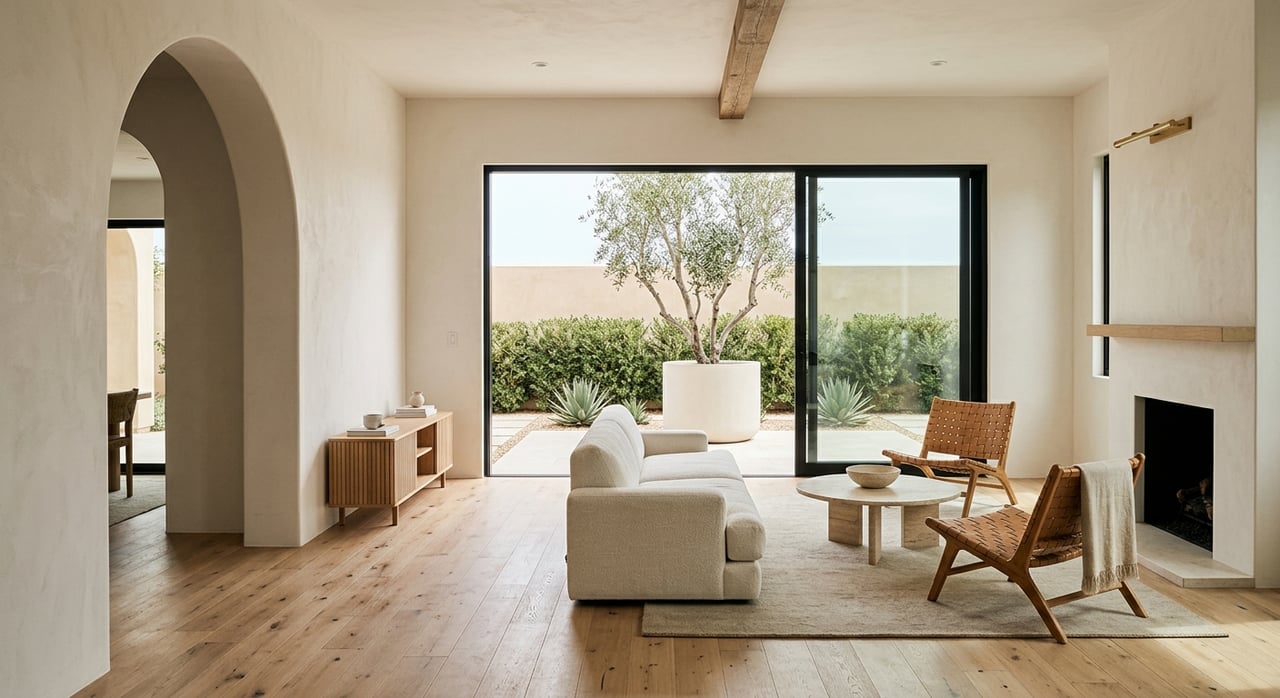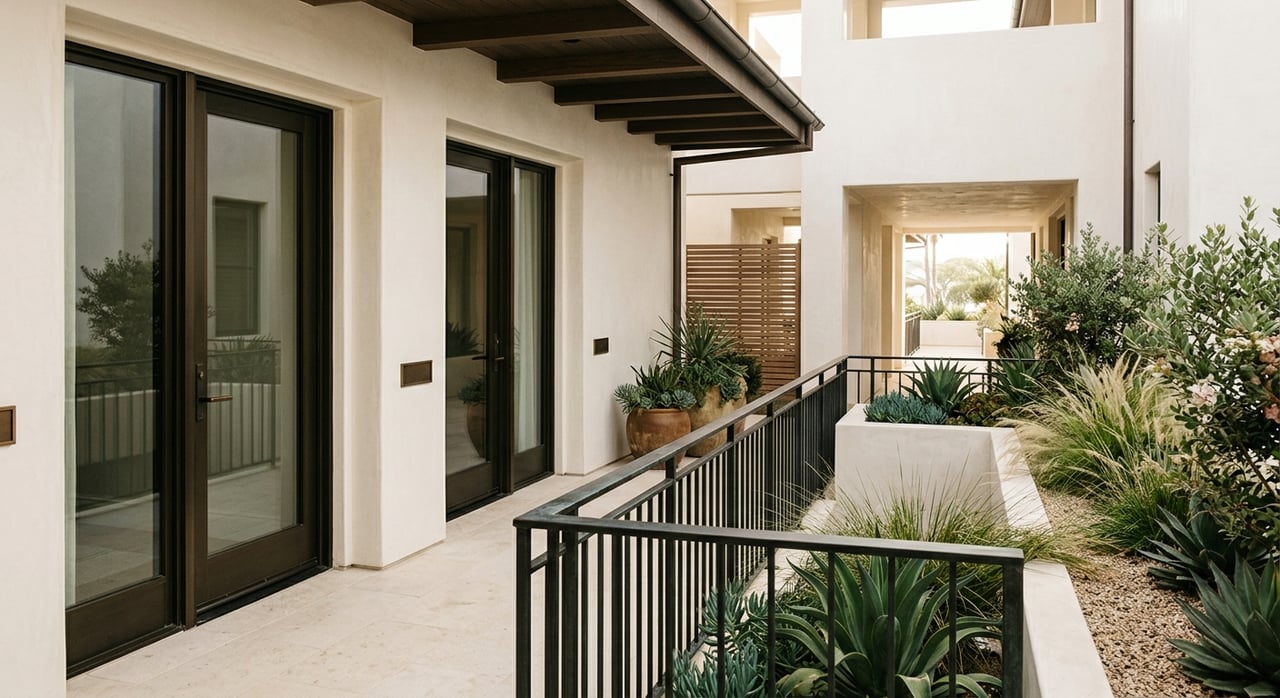
If you are thinking about selling a coastal home in San Clemente, you are not just listing a property. You are positioning a lifestyle, navigating local coastal rules, and preparing for a buyer pool that pays close attention to condition, documentation, and location details. The good news is that with the right plan, you can reduce surprises and present your home in a way that matches this high-value market. Let’s walk through it step by step.
Understand the San Clemente market
San Clemente remains a high-value coastal market, which shapes both pricing strategy and buyer expectations. As of March 31, 2026, Zillow reported a typical home value of $1,721,005, while Redfin reported a February 2026 median sale price of $1,593,889, with homes selling in about 41 days in a somewhat competitive market where some listings receive multiple offers. That means your home needs to enter the market well-prepared, well-presented, and correctly priced from day one.
For coastal sellers, location matters at a very granular level. In San Clemente, the city’s coastal zone generally extends inland to Interstate 5 and includes five miles of coastline, more than 20 acres of public beaches, and 15 public beach access ways, according to the City of San Clemente Coastal Planning page. That coastal context affects both how homes are marketed and how they are regulated.
Start with a coastal-specific selling plan
A coastal home in San Clemente should not be treated like a generic citywide listing. Buyers often compare homes by exact proximity to the coast, access points, views, outdoor living, and the status of past improvements. That is why your first step should be building a strategy around your home’s specific location, condition, and records.
The city’s Planning Division oversees matters tied to design review, specific plans, and local coastal planning, including areas such as Pier Bowl, North Beach, Downtown Core, and other west-of-I-5 locations. The Planning Services department also notes specific plan areas like Marblehead Coastal and Pier Bowl, which can affect how a property is reviewed and understood. If your home falls in or near one of these areas, that local context should shape your preparation before the home goes live.
Gather your property records early
One of the smartest moves you can make is to organize your property file before listing. San Clemente allows owners to request records such as permit history, engineering history, planning history, tract maps, and grading plans through the city’s Permits and Property Records resources. The city notes that planning history can surface zoning information, Coastal Commission records, allowable uses, short-term lodging permits, historic property information, and condo conversion details.
This matters because buyers in a coastal market often ask detailed questions early. If your file is already organized, you can answer those questions with confidence instead of scrambling during escrow. The city also asks owners to allow about 10 days for records requests, so this step is best handled before you are ready to list.
Resolve permit questions before listing
A common seller question is whether you can list a home before closing out permits. Technically, a home can be listed, but it is usually better to resolve permit issues first. According to the city’s Inspection information, final approval is issued only after code compliance is verified.
If you completed work recently, do not assume the job is fully closed just because the work looks finished. The city also notes that work should not be covered until it has been inspected. For sellers, that makes unfinished permit files a potential source of buyer concern, renegotiation, or delay.
Check whether coastal permits apply
If you are thinking about making improvements before selling, or if you recently completed work, coastal permitting should be reviewed early. San Clemente recommends contacting Planning or Building before adding features like a room, wall, shed, pool, or patio cover, and notes that most projects require a building permit through its Building Services department.
For homes in the coastal zone, a separate layer may apply. The California Coastal Commission explains in its coastal development permit guidance that development generally may not begin until a coastal development permit has been issued by the Commission or local government. These permits are separate from other city or county permits, and coastal review can apply to activities such as construction, demolition, grading, lot-line adjustments, vegetation clearing, and some repair or maintenance work.
For bluff or ocean-adjacent properties, the Commission also recommends evaluating sea-level rise and related hazards when a site may be exposed to flooding, erosion, wave impacts, inundation, or saltwater intrusion. If your home has bluff, slope, drainage, or direct ocean exposure, these questions are best addressed before buyers begin their due diligence.
Prepare disclosures at the beginning
In California, disclosures are not something to leave until later. The Real Estate Transfer Disclosure Statement, or TDS, must be delivered as soon as practicable and before transfer of title, according to the California Department of Real Estate disclosure guidance. The same guidance makes clear that the seller, along with any brokers or agents involved, participates in the disclosure process.
For many coastal properties, the Natural Hazard Disclosure process also deserves early attention. Depending on the property and mapped conditions, disclosures may involve flood, very high fire hazard severity, earthquake fault, or seismic hazard zones. Handling this early can help prevent a disclosure issue from disrupting your timeline later in escrow.
If your home is part of a common-interest development, you should also prepare for a separate HOA resale package. Under California Civil Code Section 4525, sellers of separate interests generally must provide association documents, assessment information, unresolved violation notices, and other required materials before transfer or contract execution.
Price for the right first impression
In a somewhat competitive market, pricing still needs discipline. Buyers in San Clemente often understand the difference between a broad coastal address and a more specific location advantage, such as easy access to the Pier, Beach Trail, or a known west-of-I-5 setting. That means pricing should reflect not only square footage and condition, but also exact coastal positioning and the strength of your view or access story.
A strategic pricing conversation should also account for the local pace of sales. With homes selling in about 41 days based on Redfin’s February 2026 data, your early market response matters. The best results often come when your home enters the market with a clean file, polished presentation, and pricing that feels grounded in current buyer behavior.
Market the exact coastal lifestyle
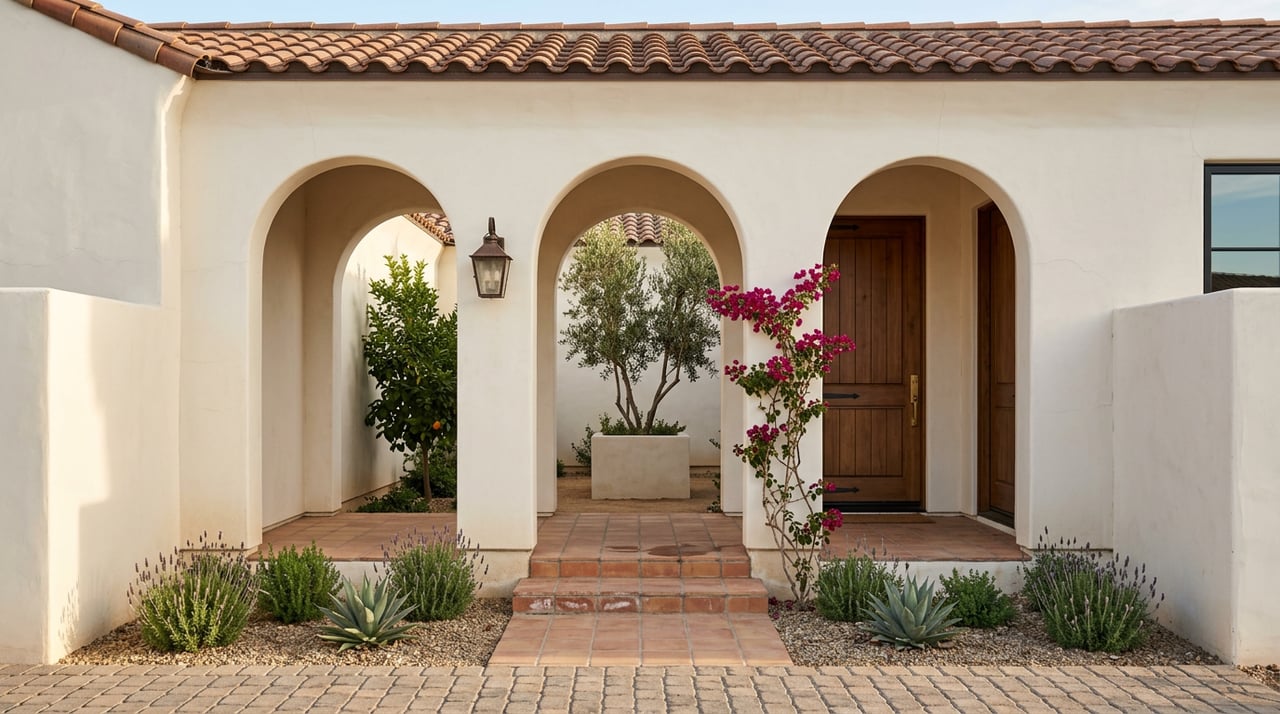
When it is time to launch, your marketing should be specific. In San Clemente, broad phrases like “close to the beach” are less effective than identifying the actual lifestyle advantages tied to your location. If your home is near a known access point, the Pier, or the Beach Trail, that detail can make your listing more concrete and compelling.
The city’s Beach Trail page notes that the trail runs 2.3 miles from North Beach to Calafia Beach and includes connections to the Pier and T-Street. The Pier and North Beach both offer amenities such as ADA access, restrooms, metered parking, and train station access. In a city where Redfin reports an overall Walk Score of 34, that kind of location detail can meaningfully help buyers understand everyday convenience.
Plan photography around views and light
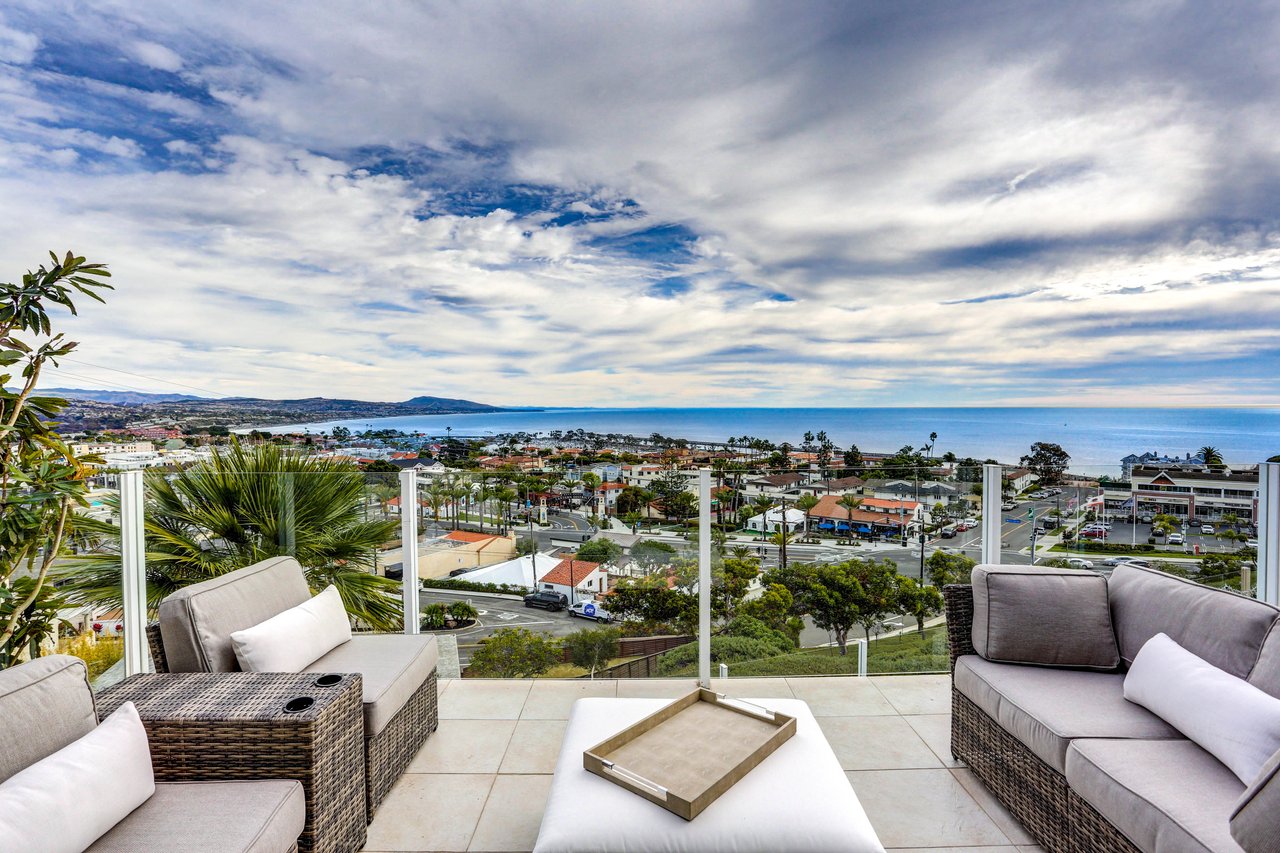
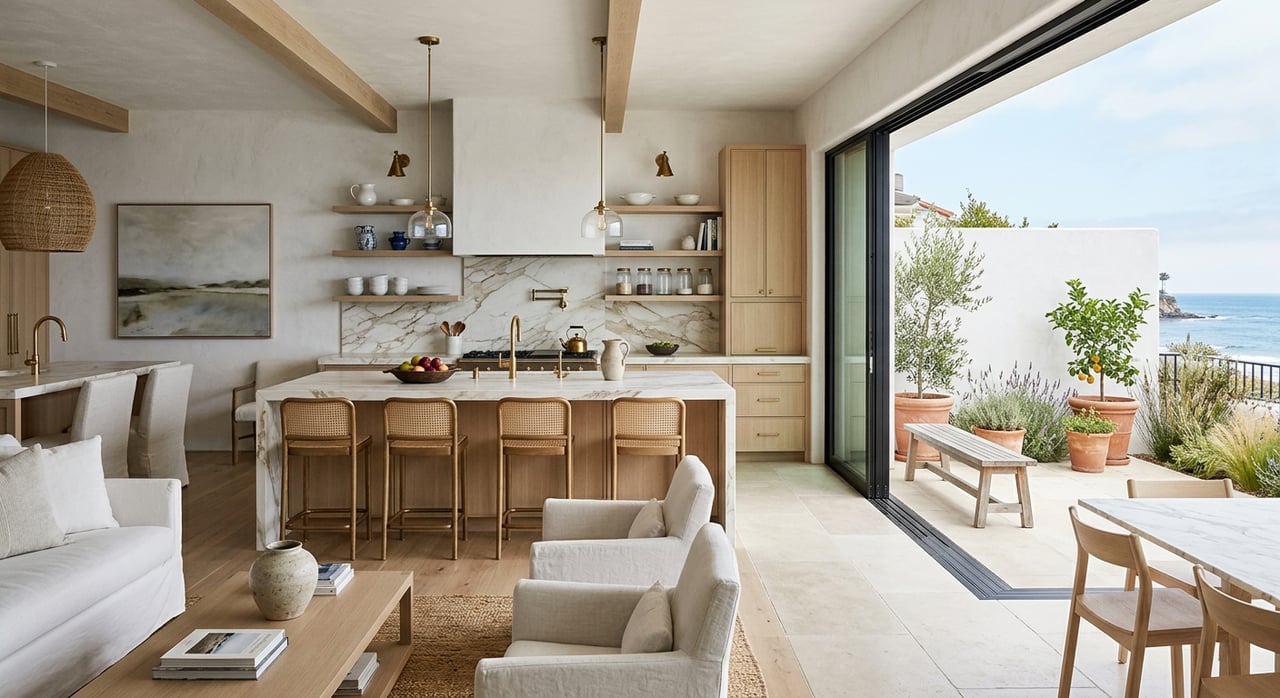
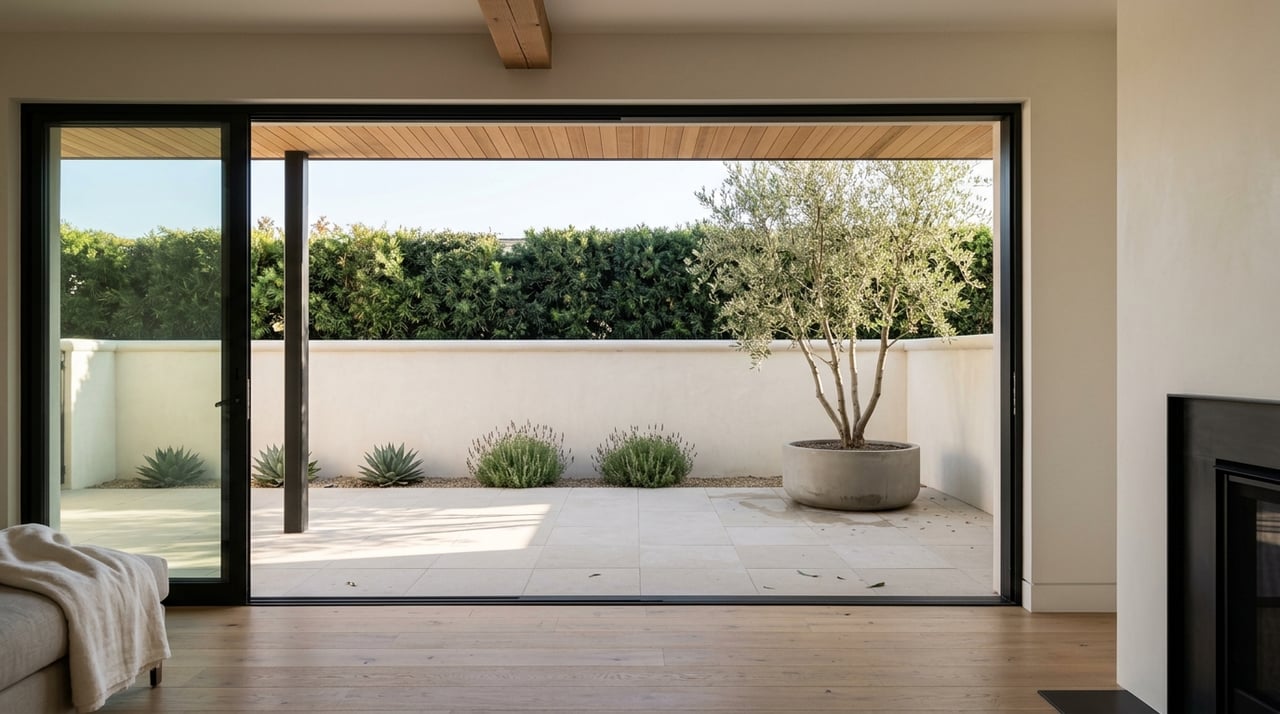
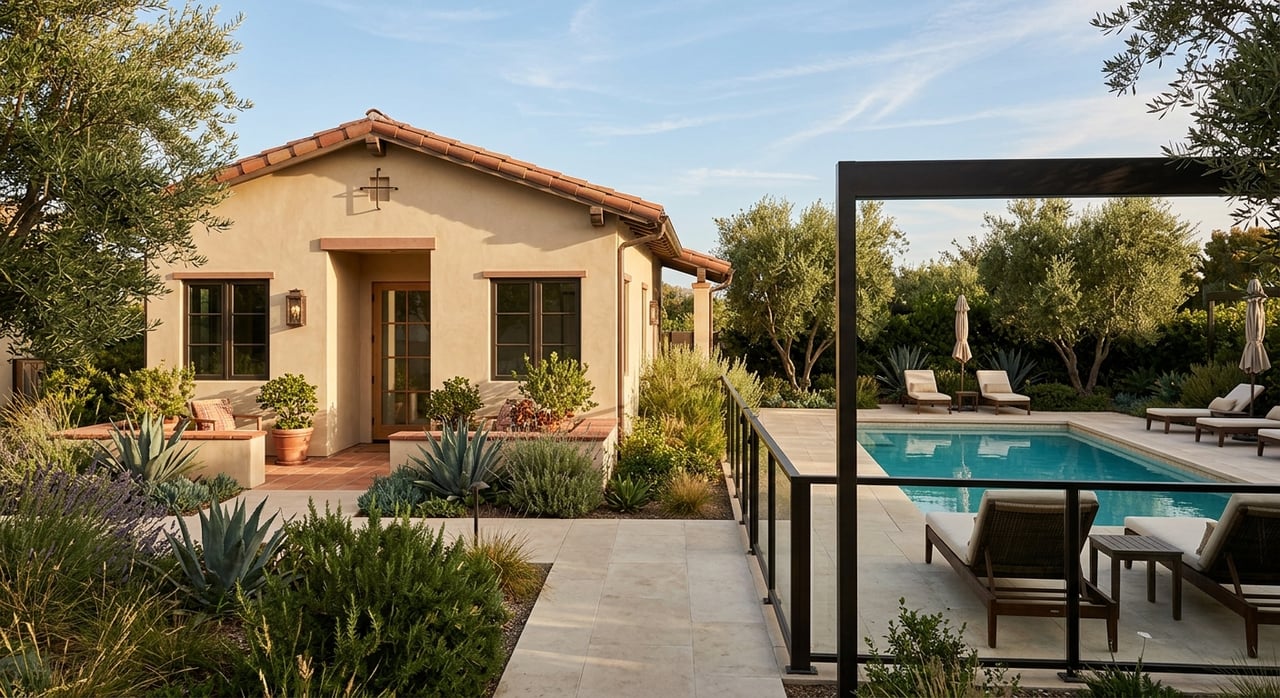
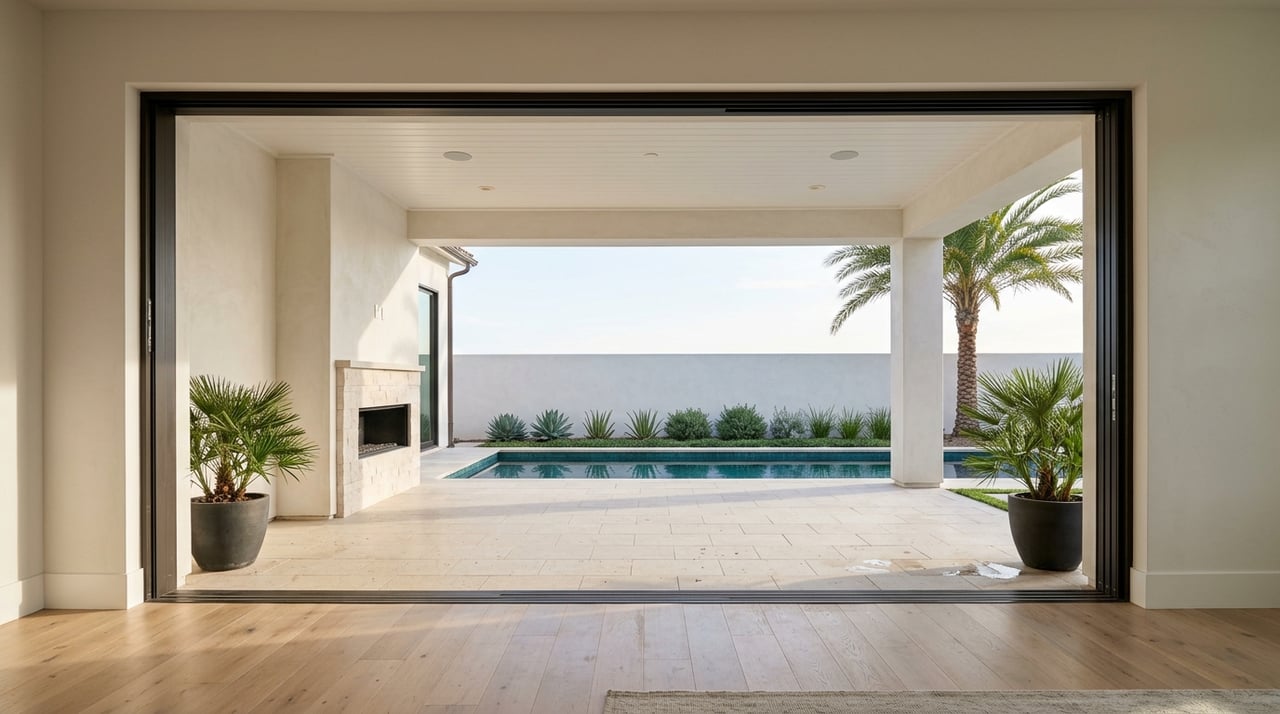
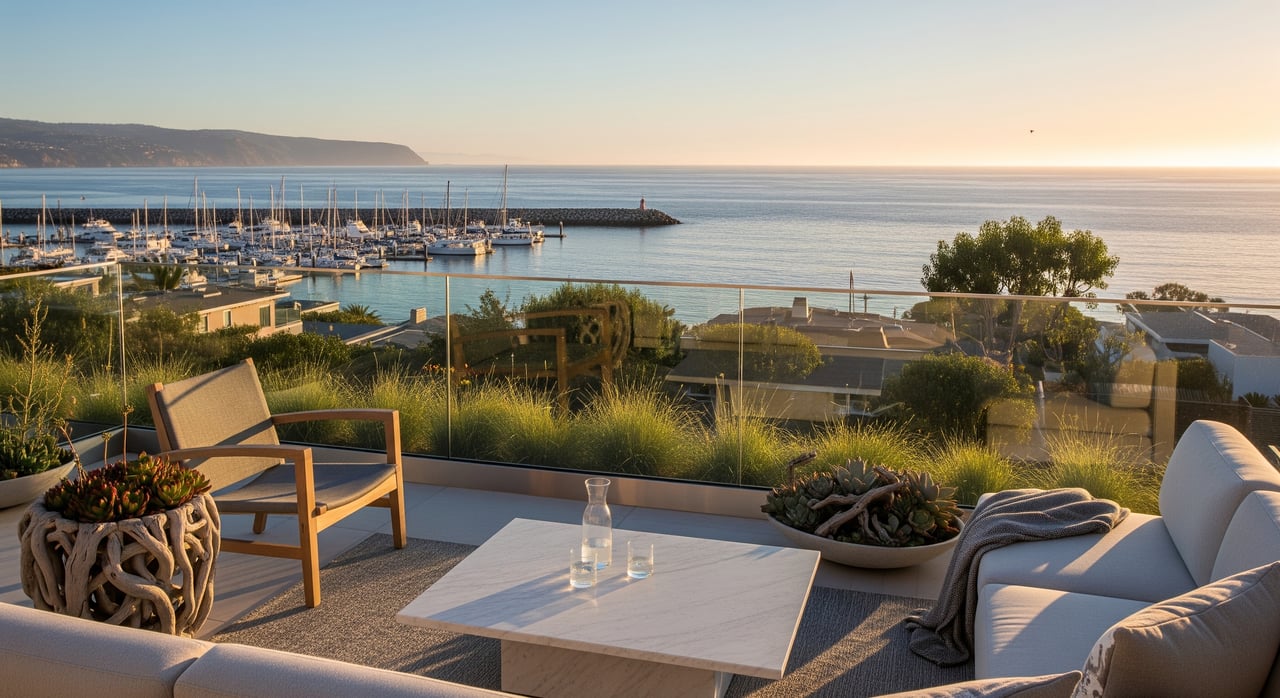
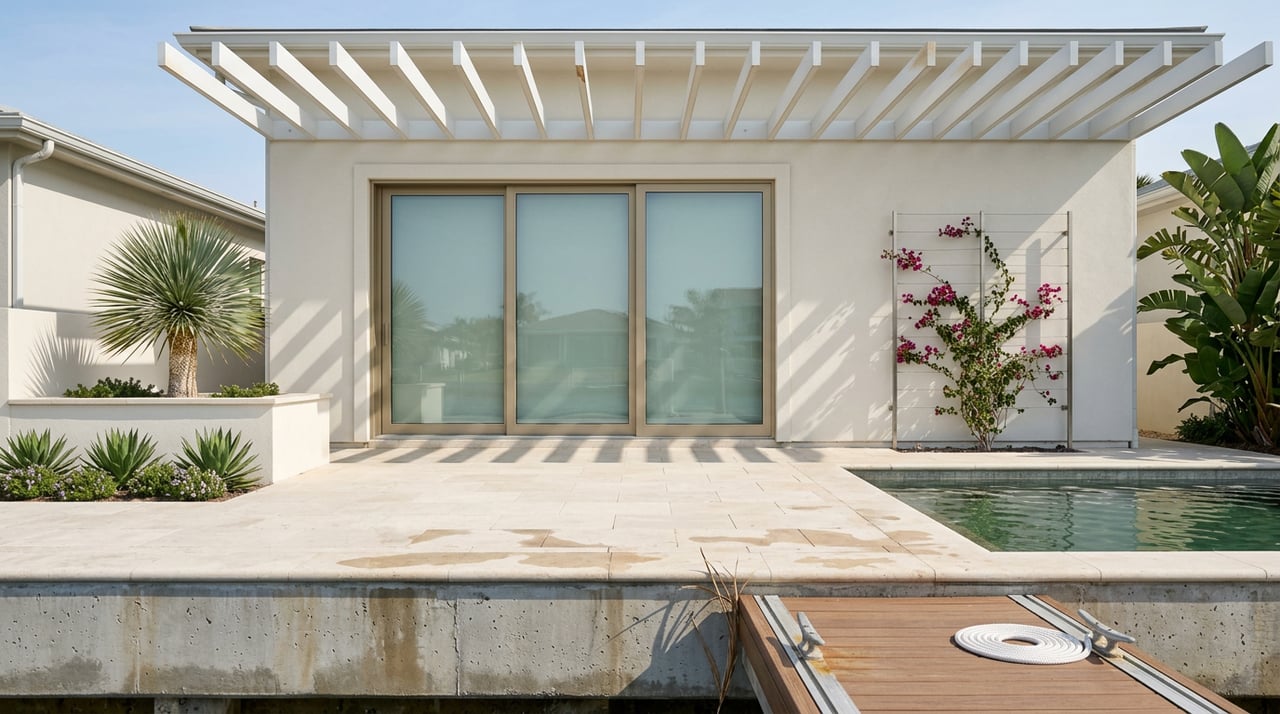
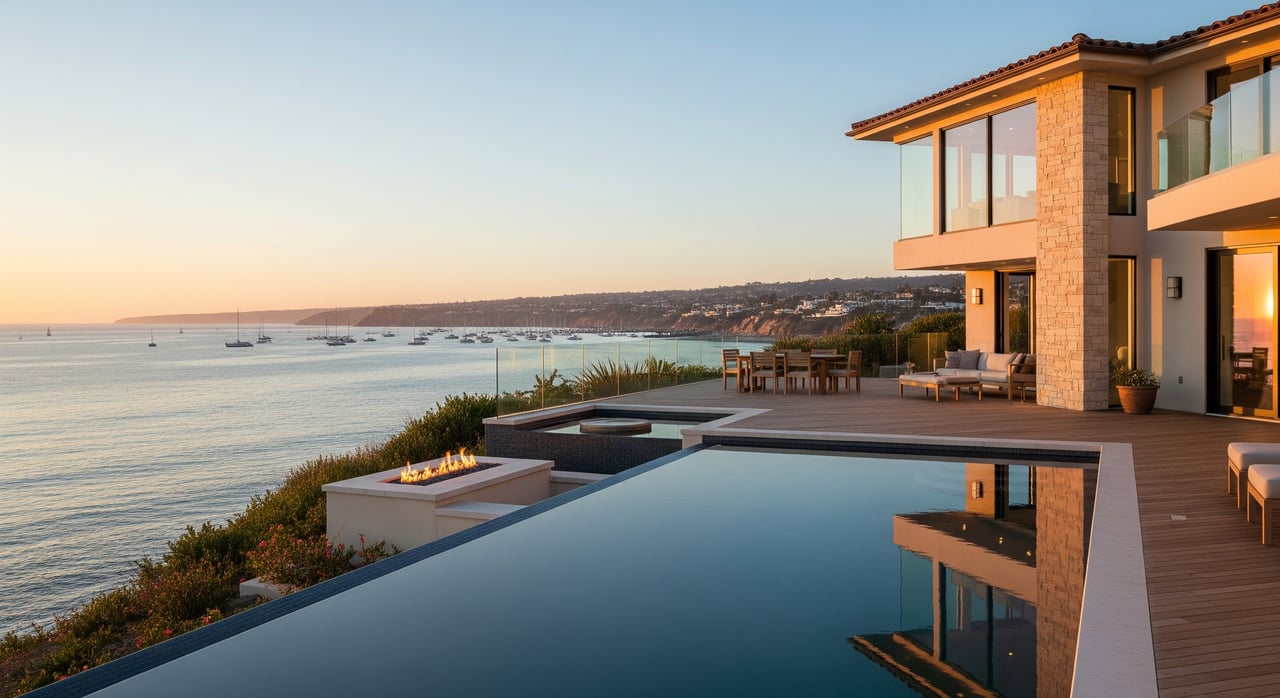
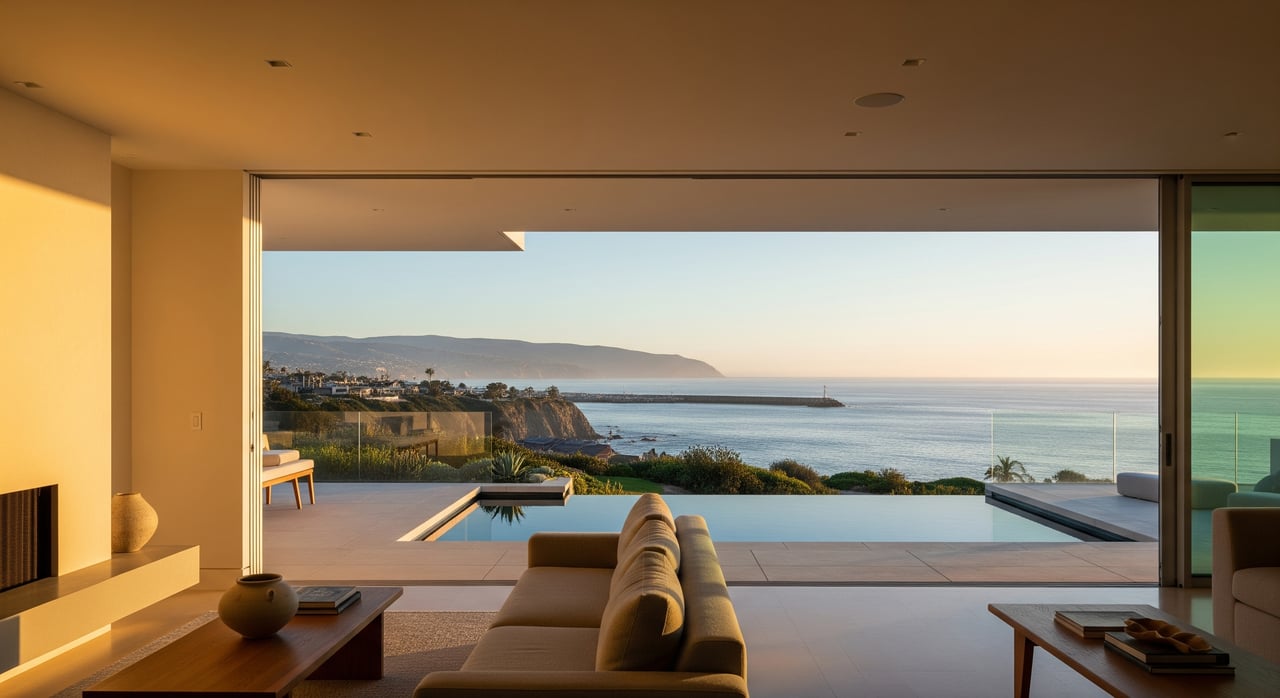
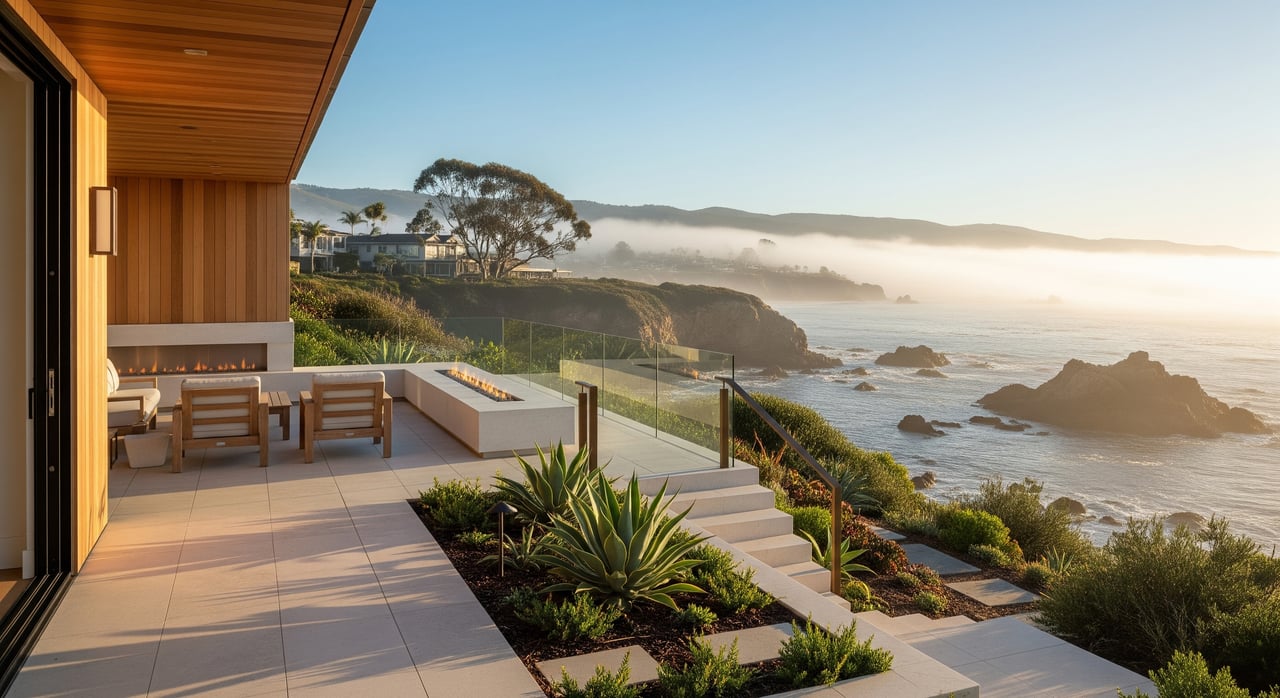
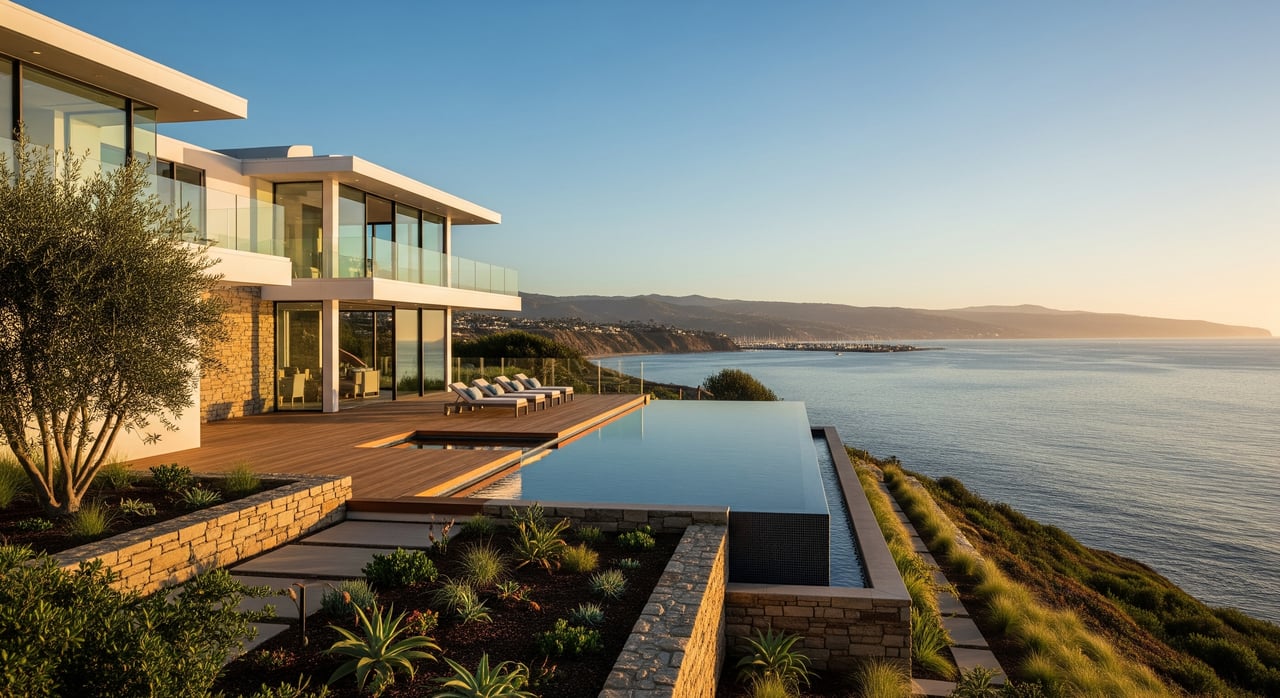
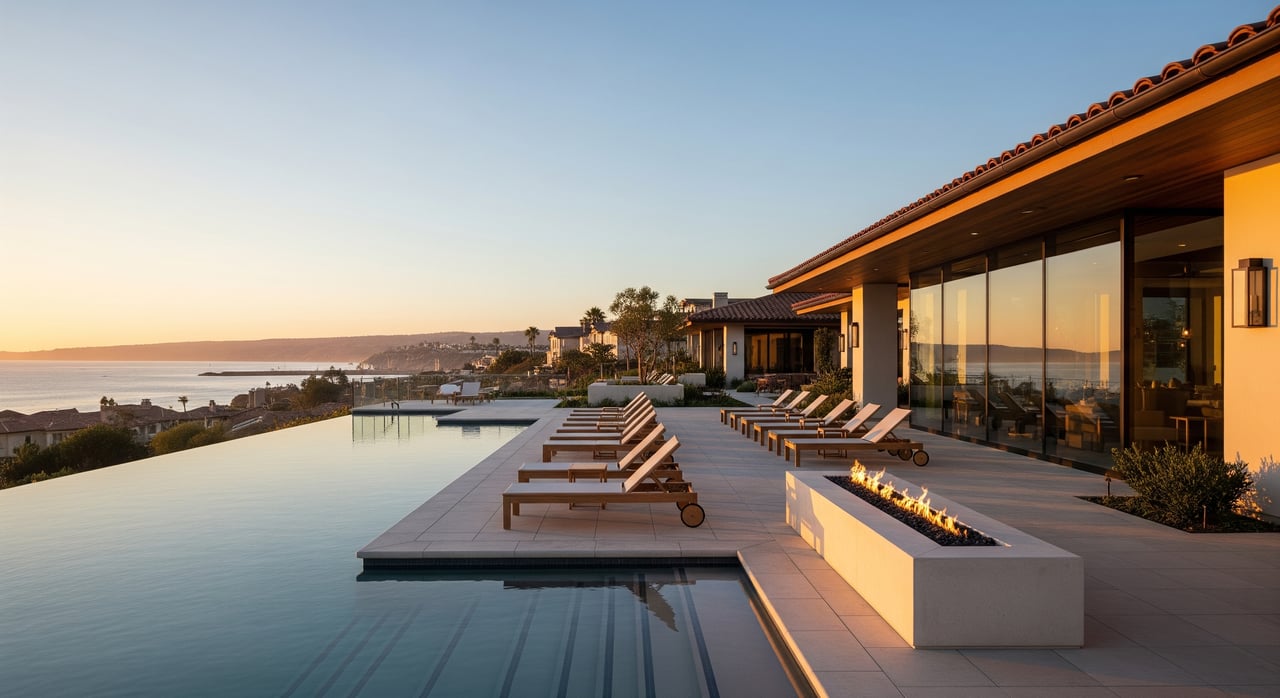
For coastal homes, photography should emphasize what makes the property hard to replace. That often means the view corridor, outdoor spaces, and the relationship between the home and the coastline. If your property has an ocean view, partial view, or strong indoor-outdoor connection, photography timing matters.
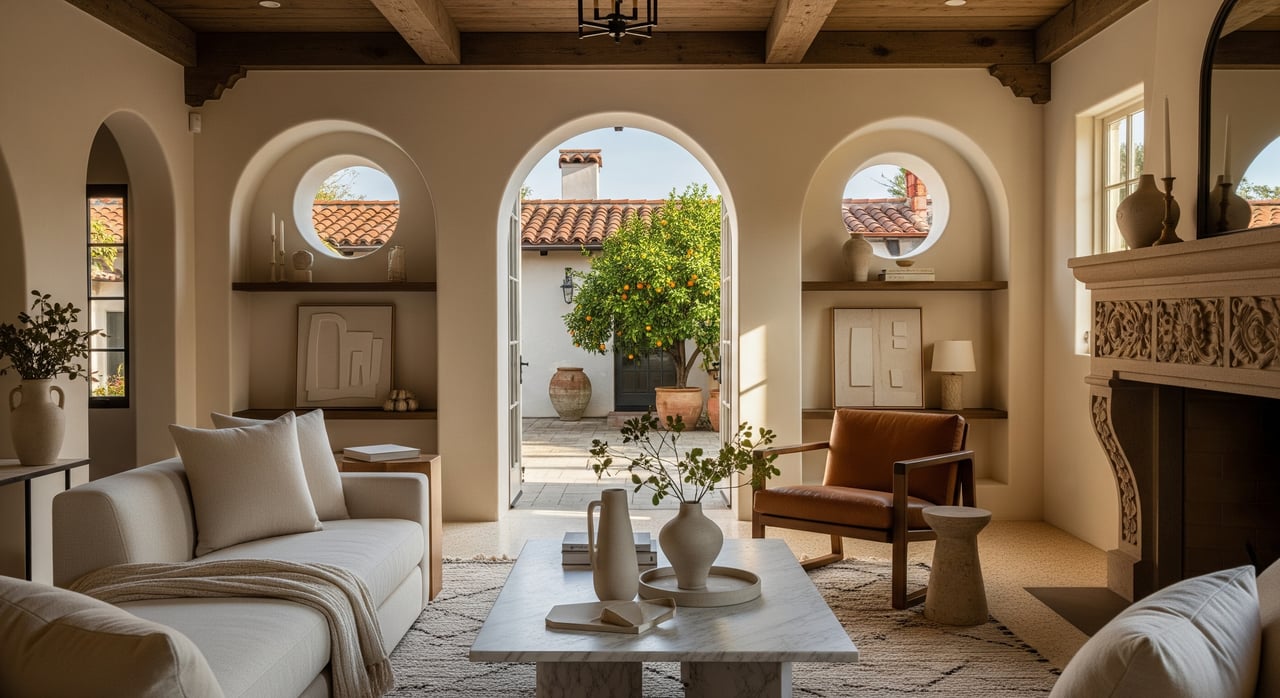
A flexible shoot schedule can help capture clearer visibility and stronger natural light, especially when your goal is to show the shoreline, the pier, or open-water orientation. This is particularly useful in a market where the visual promise of the coast often drives first-showing interest. Strong imagery also supports premium digital marketing and helps your listing stand out in a market where buyers may compare many high-end homes online before booking a tour.
Make showings easy to navigate
Showings near the coast need practical planning. Traffic, beach activity, and parking patterns can affect how easily buyers access your property, especially on weekends or during busy beach hours. The city’s beaches information shows that these are active public-use spaces with regular marine safety operations, so timing can make a real difference.
Parking details matter too. The city’s parking permit resources note that meter permits are available in areas including North Beach, Linda Lane, Parque Del Mar/Pier Bowl, and T-Street, but not in the state-operated Calafia State Beach and Trestles lots. For open houses or broker tours, this can help shape visitor instructions, parking coordination, and showing flow.
Keep escrow organized and calm
The smoothest closings usually begin long before you accept an offer. By the time escrow opens, your goal should be to have disclosures, permit history, final inspection records, and HOA materials already assembled. This reduces uncertainty during the buyer’s investigation period and helps keep the transaction moving.
The Department of Real Estate also notes that expert reports may be useful for disclosure liability purposes, but they do not replace the seller’s obligation to provide the required forms. In practical terms, that means no report should be treated as a substitute for a complete disclosure package. For coastal homes with bluff, slope, drainage, or ocean-front exposure, it is especially helpful to resolve permit and hazard questions before the buyer’s final walkthrough.
Work with a process built for coastal sales
Selling a coastal home in San Clemente is part pricing exercise, part presentation strategy, and part document management. You need a plan that respects the nuances of the coastal zone, highlights the property’s exact lifestyle advantages, and removes avoidable friction before buyers begin asking questions. When those pieces are handled early, you are in a much stronger position to attract serious offers and move through closing with less stress.
If you are preparing to sell and want a polished, hands-on strategy built for South Orange County’s coastal market, Kathy Samuel offers concierge listing representation with professional marketing, staging guidance, and experienced transaction management tailored to premium homes.
FAQs
What should you do first when selling a coastal home in San Clemente?
- Start by gathering your property records, reviewing permit history, and identifying any coastal or city compliance issues before you list.
What documents should you prepare before listing a San Clemente coastal home?
- You should organize your TDS, Natural Hazard Disclosure information, permit history, final inspection records, and any required HOA resale documents early.
Can you sell a San Clemente home with open permits?
- You may be able to list it, but it is usually better to close out permits first because the city issues final approval only after code compliance is verified.
Do coastal development permits matter when selling a San Clemente home?
- Yes. In the coastal zone, some past or planned work may require a coastal development permit, which is separate from regular city permits.
How should you market beach access when selling a San Clemente home?
- Be specific by identifying actual access points, nearby trail connections, or proximity to the Pier instead of using vague phrases like “near the beach.”
Does ocean-view photography make a difference for a San Clemente listing?
- Yes. For coastal homes, strong photography that captures views, outdoor living areas, and the home’s connection to the shoreline can improve buyer interest early.