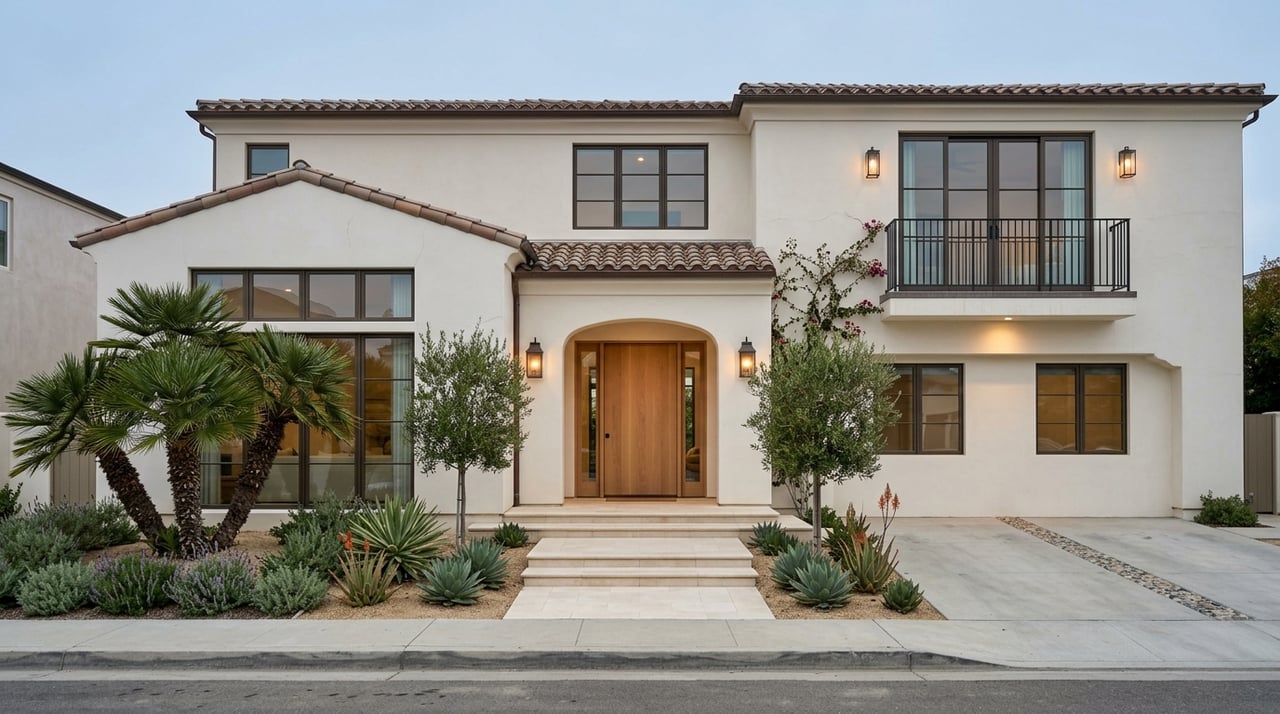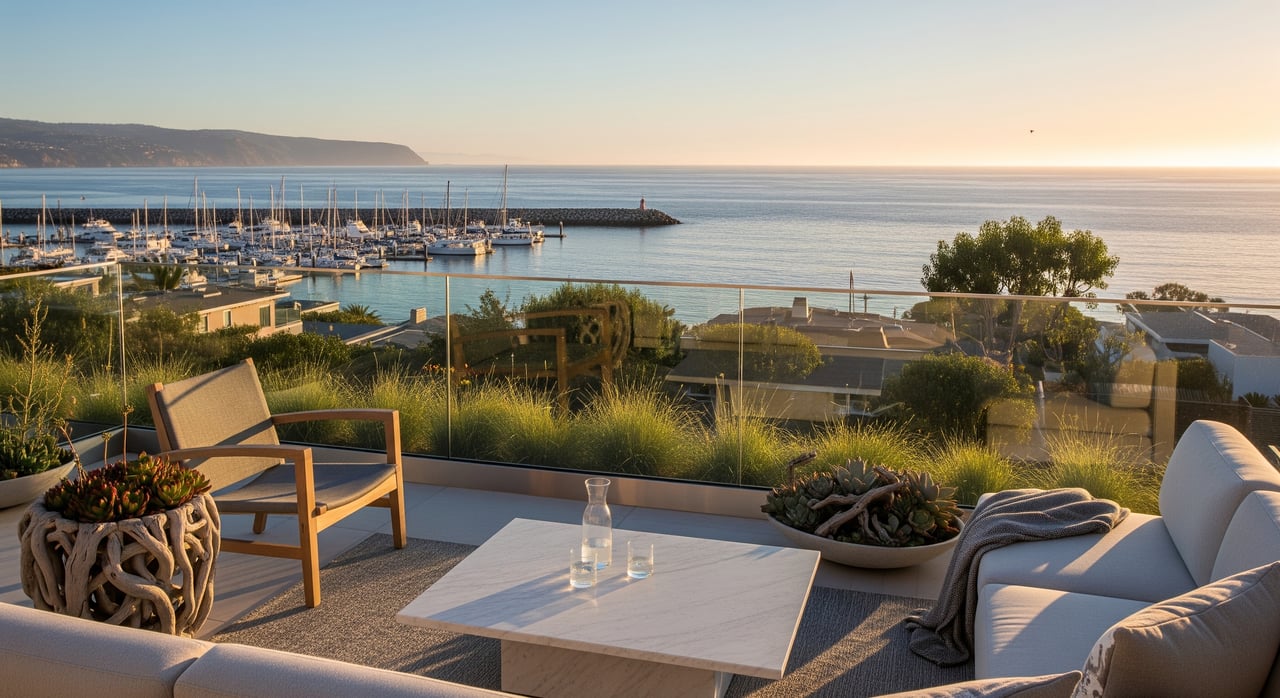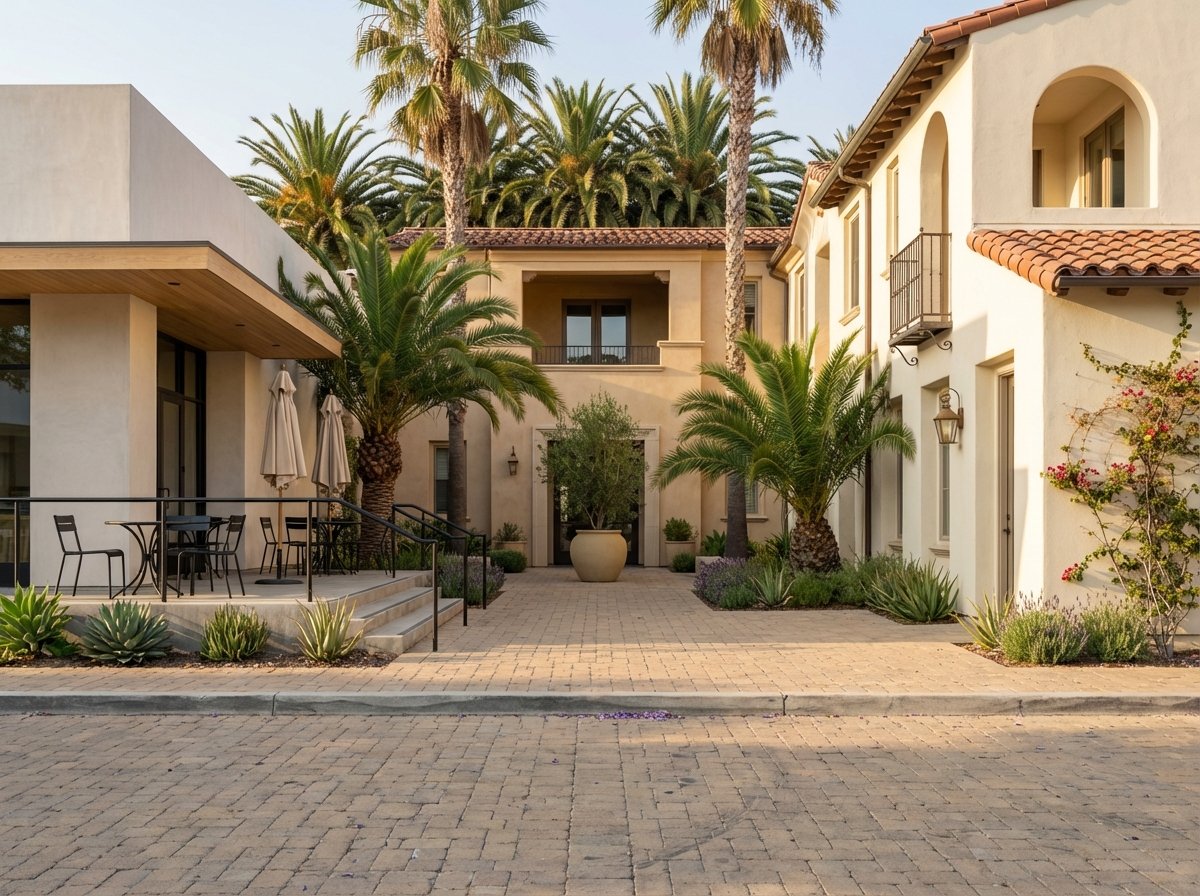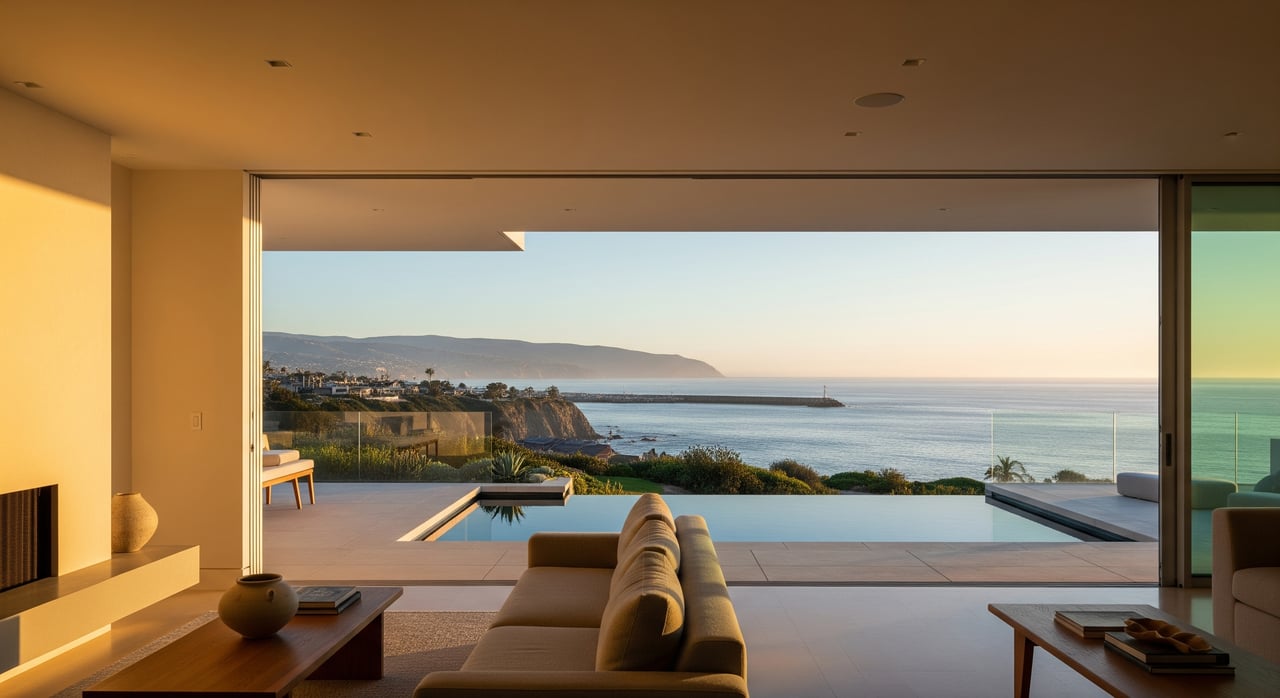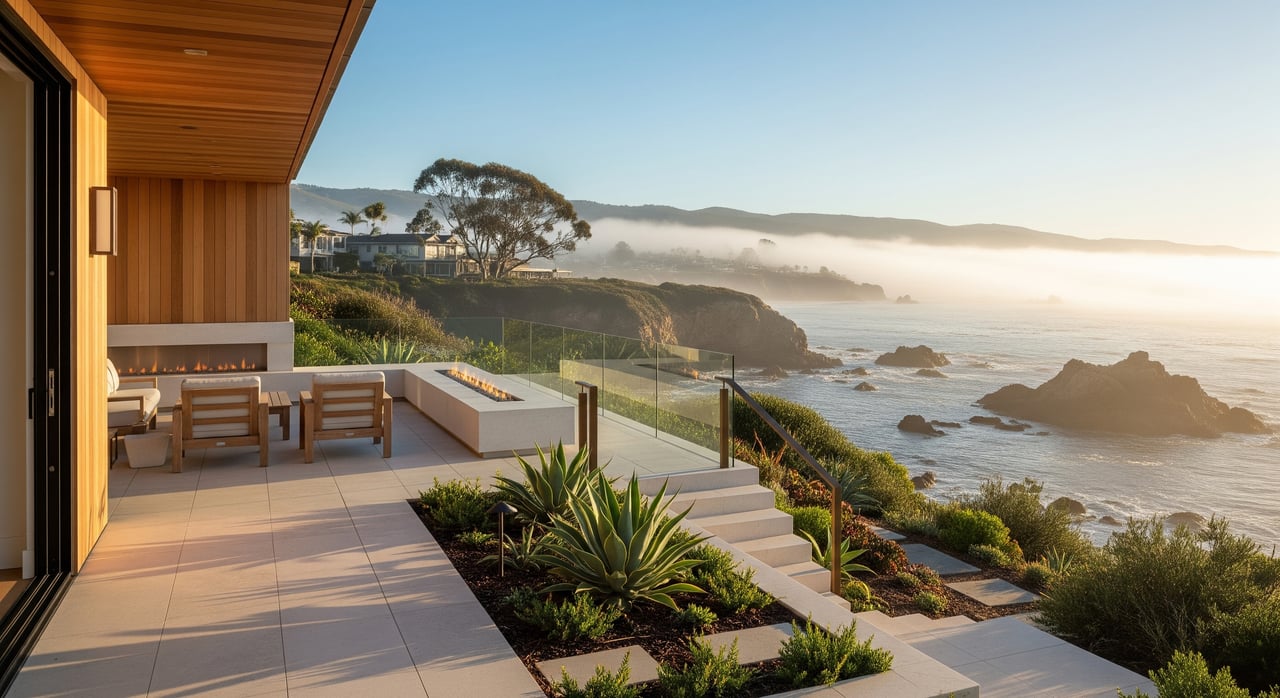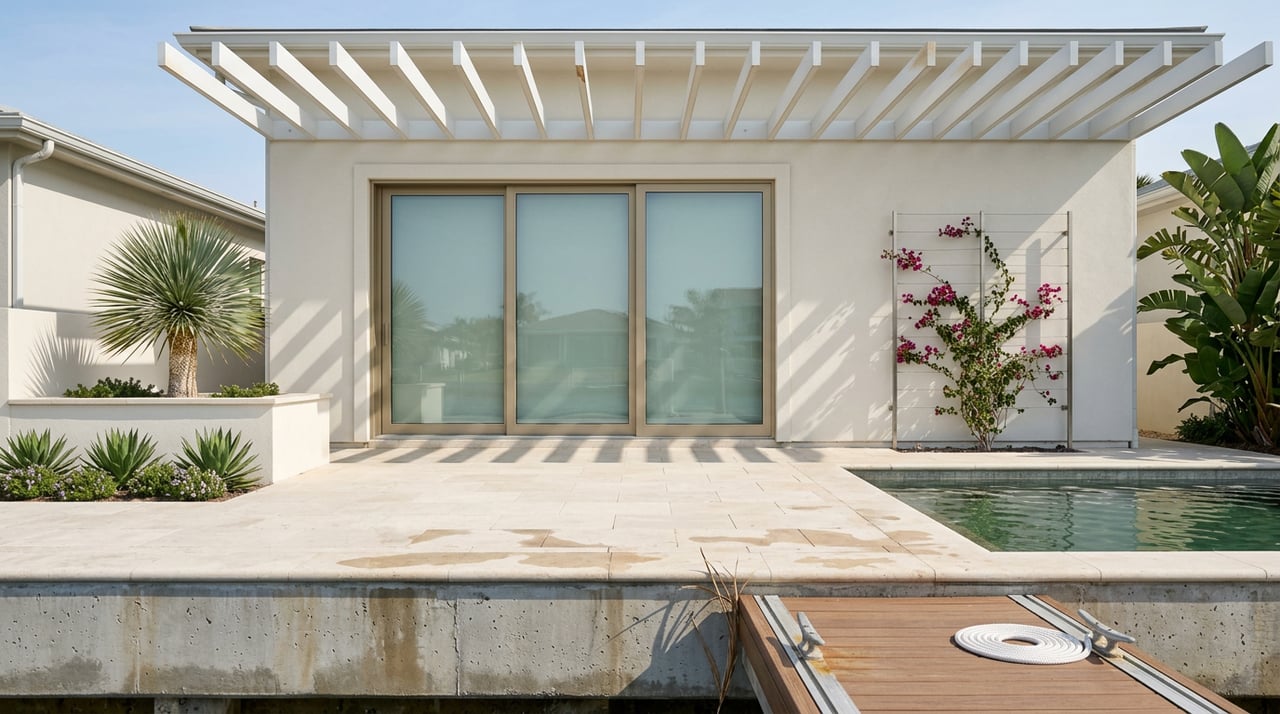
If you are choosing between an oceanfront home and a harbor home in Newport Beach, you are really choosing how you want to live every single day. Do you want to step onto the sand and hear the surf, or step onto your dock and idle out for a sunset cruise? Both options deliver world-class coastal living, but the ownership details, maintenance, and even the city projects that touch your property can be very different.
In this guide, you will get a clear, side-by-side look at lifestyle, price context, docks and moorings, HOAs, maintenance, flood and insurance, and key due diligence steps. You will also learn where each experience lives in Newport Beach so you can narrow your search with confidence. Let’s dive in.
Oceanfront vs. harbor at a glance
Newport Beach sits among the most expensive coastal markets in the country. In recent snapshots, the citywide median sale price hovered around $4.8 million in January 2026. Waterfront inventory is scarce in any given month, and true on-the-sand listings turn over rarely.
Neighborhood medians shift with small sample sizes, but late 2025 and early 2026 listing snapshots often showed Lido Isle at the top end for harbor product near $9.6 million, Balboa Peninsula Point around $7.3 million for ocean-adjacent homes, and Balboa Island closer to $3.7 million given its many smaller cottages and duplexes. Treat these as directional ranges rather than fixed prices, and rely on live comps for decisions.
Big picture, the choice comes down to water type and use. Oceanfront gives you surf, sand, and dramatic views. Harborfront gives you calm water, private docks, and immediate boat access. The ownership and maintenance profile follows from that.
Where each lifestyle lives
Oceanfront pockets
- Balboa Peninsula and Peninsula Point. Direct beach access, a boardwalk vibe near the Balboa Pier, and iconic surf energy by The Wedge. Homes range from classic beach cottages to modern custom builds. Expect higher foot traffic near commercial areas.
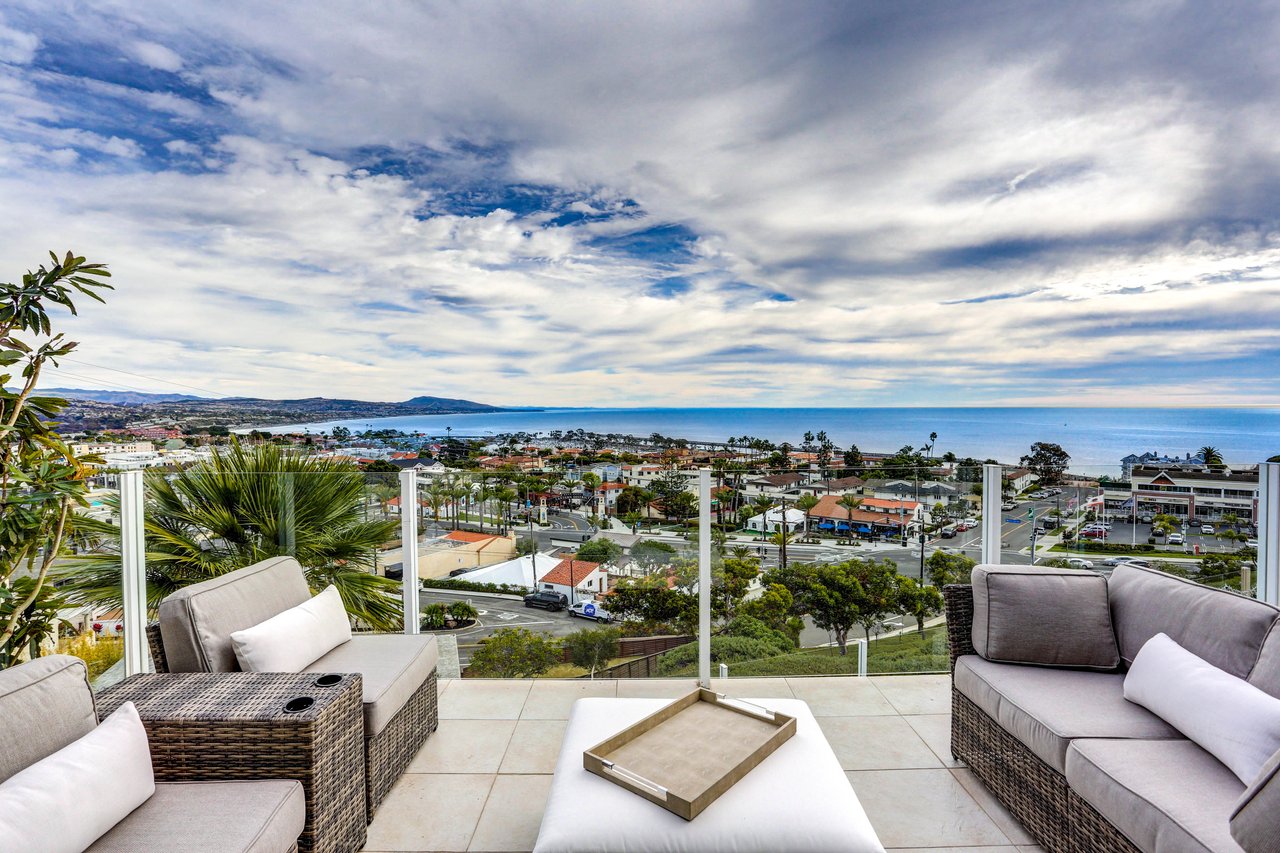
- Corona del Mar bluff-front. Ocean Boulevard and the Big Corona area offer bluff-top homes with sweeping Catalina views. Access is more about view corridors and beach stairs rather than private docks.
- Newport Coast ocean-view enclaves. Elevated estates with panoramic ocean views. These are not typically on the sand but deliver dramatic vistas and privacy on higher ground.
Harborfront pockets
- Lido Isle. A planned island community with association amenities like a clubhouse, small private beaches, and many homes with private docks. Adjacent to Lido Marina Village for dining and shopping.
- Balboa Island. A compact, walkable island with narrow streets, the Balboa Ferry, and a mix of cottages and bayfront homes with docks. Public activity on Marine Avenue is a permanent feature of the lifestyle. For a helpful local primer on island character and lot sizes, see this Balboa Island overview.
- Harbor Island, Linda Isle, Bayside areas. Gated or guard-accessed enclaves with larger bayfront lots and substantial private docks in some communities. These are boat-forward neighborhoods with a quieter water experience.
Ownership differences that matter
Boating, docks, and moorings
Private docks and moorings are the defining feature of harbor living. Many bayfront lots and island properties have residential pier or dock permits on file with the City of Newport Beach. These permits are regulated by the Harbor Department and are separate from the upland property title, so you will want to confirm status and transferability as part of your purchase. You can see the city’s residential pier permit layer in the Newport Beach GIS.
Moorings are licensed by the City and can transfer with specific steps. The city publishes rules and transfer logs that help you gauge availability and activity. Review the mooring permittee information early if a mooring is part of your plan.
On the oceanfront, surf, swell, and shifting sand make private deep-water docks impractical. If boating is central to your lifestyle, a bayfront lot with a dock, a nearby marina slip, or a transferable mooring is the most reliable path.
HOAs and association realities
Island communities like Lido Isle and some Bayside or guard-gated enclaves often have associations with dues that fund amenities such as beaches, dock administration, and security. Fee amounts and coverage vary by property and community. Some oceanfront single-family homes are fee-simple with no HOA, while oceanfront condos typically include association dues. Always review CC&Rs, budgets, reserve studies, recent minutes, and any special assessments.
Maintenance and lifecycle costs
- Oceanfront exposure. Direct salt and sand exposure speeds wear on exterior paint, metal finishes, window seals, HVAC components, and roofs. Budget for a faster maintenance cycle and high-grade marine materials. A practical planning heuristic for high-exposure coastal homes is to reserve at least 1 percent of property value per year for maintenance. For a consumer-friendly overview, see this coastal home maintenance guide.
- Harborfront infrastructure. Docks, pilings, boat lifts, electrical on piers, bulkheads, and seawalls are major line items. These elements must be periodically inspected, repaired, and sometimes replaced under city oversight. Permit status and upcoming work can influence your total cost of ownership.
Dredging, drainage, and public works
Newport Harbor has active and planned dredging programs to maintain navigable depths. During dredging windows, certain moorings, guest slips, or fairways can be temporarily affected. For background and current context, see this dredging project report and the Newport Harbor Foundation’s dredging facts.
Some islands have additional infrastructure work. Balboa Island has seen city discussions on street rehabilitation, drainage, and seawall planning. These projects can result in staged public works that touch island owners. You can track city updates such as the planning session summary on Balboa Island improvements.
Flood risk, sea level rise, and insurance
Many low-lying waterfront parcels sit in FEMA Special Flood Hazard Areas, which can trigger lender requirements for flood insurance. Check the exact address on the FEMA Flood Map Service Center and ask insurers for both NFIP and private quotes. Premiums vary widely by elevation, foundation type, and mitigation features.
Newport Beach has prepared a Sea Level Rise Vulnerability Assessment to guide long-term adaptation. State planning guidance was updated in 2024 by the California Ocean Protection Council, which provides scenario ranges that cities use in project design. You can review the 2024 State Guidance to understand the planning context.
Coastal permitting and public access
Oceanfront properties are subject to California Coastal Commission rules on public access and shoreline modifications. In recent years, enforcement actions in Newport Beach have included fines for unpermitted beach encroachments. This underscores the need to verify past work and obtain proper permits before altering beachfront areas. See coverage of a relevant Coastal Commission enforcement case.
How to choose your fit
If you are drawn to morning surf checks, beach walks, and panoramic sunsets from the sand, oceanfront is a natural fit. If you picture weekend cruises, paddleboarding off your backyard, and docking at dinner, harborfront is your lane.
Consider these questions as you decide:
- Boating vs. beach. Do you plan to own a boat and use it often, or is the beach your daily driver?
- Foot traffic vs. boat traffic. Do you prefer a boardwalk scene and visitor energy, or a quieter waterfront with passing boats and occasional marina service activity?
- HOA structure. Do you want association amenities and rules, or fee-simple ownership with fewer shared obligations?
- Maintenance appetite. Are you ready for higher exterior maintenance on the sand, or dock and bulkhead lifecycle costs on the bay?
- Long-term planning. How do flood zones, insurance, and city projects factor into your timeline and budget?
Buyer due diligence checklist
Work through these steps before you write an offer. They help you avoid surprises and sharpen your negotiation.
- Confirm what you are buying
- Verify if the property is fee-simple, a condo with HOA, or a bayfront lot with a residential pier permit. Cross-check the title report, MLS, and the city’s residential pier permit layer.
- Dock and mooring rights
- Ask if a deeded dock, a pier permit, or a city-licensed mooring is included. Confirm transferability and any compliance items with the Harbor Department. Review the city’s mooring permittee resources.
- HOA documents
- Request CC&Rs, budgets, reserve studies, recent board minutes, and any special assessments. Clarify whether docks, seawalls, or only landscaping are maintained by the association.
- Seawalls, bulkheads, and piers
- For harbor lots, obtain records of bulkhead repairs, pier inspections, and any pending work orders. For oceanfront, verify bluff stability and any Coastal Commission permits tied to the property. The city’s GIS portal is a useful starting point for public records.
- Flood zone and insurance quotes
- Pull the FEMA map for the exact address on the FEMA Flood Map Service Center. Obtain multiple flood insurance quotes early and ask lenders how zone changes or Letters of Map Change may affect your loan.
- Dredging and public works schedules
- Contact the Harbor Department and Public Works to ask about upcoming dredging windows, shoreline nourishment, and island drainage projects. The Newport Harbor Foundation background provides helpful context for harbor depth management.
- Maintenance and reserve plan
- For oceanfront, budget for accelerated exterior cycles. For harbor, model dock, piling, and boatlift lifecycles with contractor input. A coastal-specific inspection approach, like the one discussed in this coastal maintenance overview, helps you scope near-term work.
- Lifestyle test drive
- Visit at the times you plan to use the home. Check weekend mornings, summer evenings, and major events such as the Christmas Boat Parade. Note noise, parking, service traffic, ferry lines, and boardwalk activity.
Next steps
Your best path is to align your daily-life vision with the right pocket, then validate the details that matter most to waterfront ownership. Start with lifestyle fit, then confirm docks or moorings, HOA scope, flood zone, and any near-term city projects. Once you are clear on those, we can zero in on on-market and quiet opportunities that match your goals.
If you would like a private tour plan, dock and mooring checks, and a tailored shortlist of oceanfront and harbor options, connect with Kathy Samuel to get started.
FAQs
What is the main lifestyle difference between oceanfront and harbor homes in Newport Beach?
- Oceanfront centers on surf, sand, and boardwalk energy, while harborfront focuses on calm water, boating from your backyard, and island or marina amenities.
Do harbor homes include private docks, and do dock permits transfer?
- Many bayfront lots have private docks regulated by city permits, which are separate from title and can transfer with steps you should confirm with the Harbor Department’s mooring and permit resources.
How can dredging affect me as a harborfront owner?
- During scheduled dredging, certain moorings or channels may face temporary access limits, and depth profiles can change afterward; review current context from local dredging reports and ask the city for timelines.
Will I need flood insurance for a Newport Beach waterfront home?
- Many low-lying parcels are in FEMA Special Flood Hazard Areas that trigger lender requirements, so check the address on the FEMA Flood Map Service Center and get quotes early.
Can oceanfront owners add private beachfront features like fences or lawns?
- Beachfront changes are tightly regulated and unpermitted encroachments have led to enforcement and fines; verify permits and consult the Coastal Commission before altering beachfront areas.
What price ranges should I expect for Lido Isle, Peninsula Point, and Balboa Island as of late 2025?
- Recent listing snapshots often showed Lido Isle near $9.6M, Peninsula Point around $7.3M, and Balboa Island about $3.7M, but treat these as directional and rely on current comps.