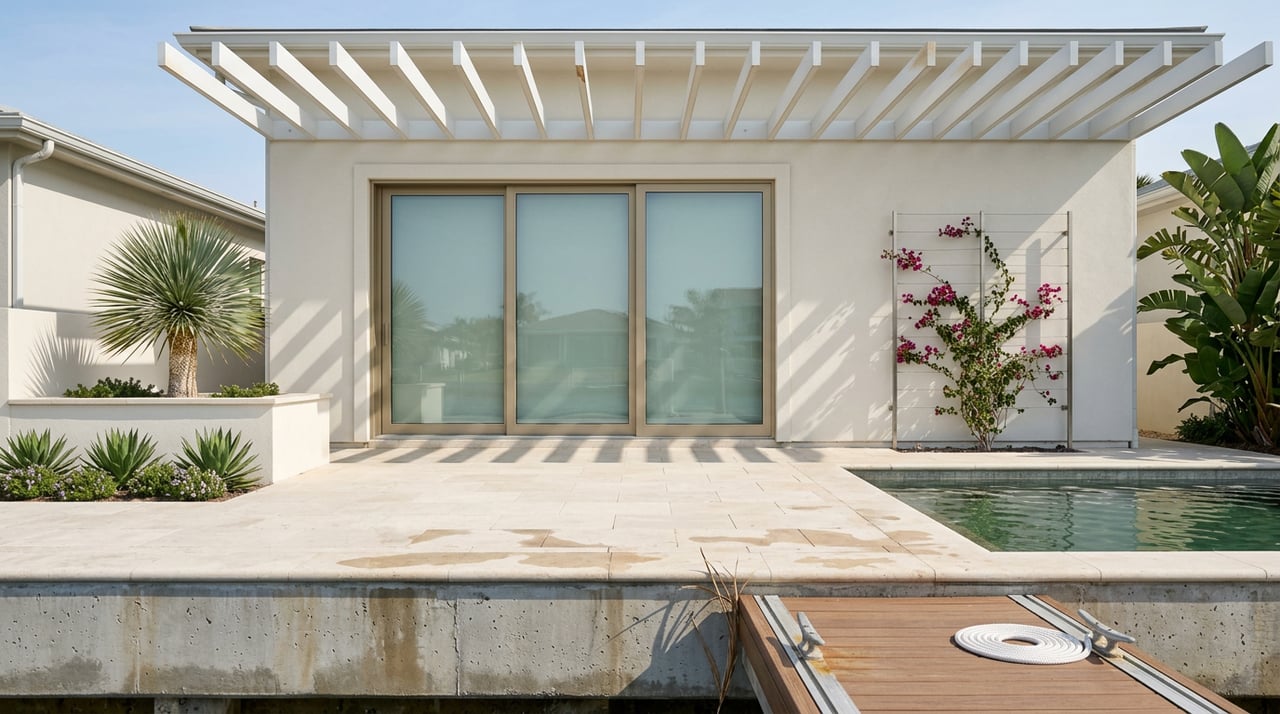
Are HOA dues in Dana Point worth it? If you are comparing coastal condos, guard-gated neighborhoods, or bluff-top communities, that question matters more than ever. The answer depends on what you value most, what the rules allow, and how each association handles upkeep, amenities, and approvals. This guide will help you understand how Dana Point HOA communities typically work, what amenities dues may support, and what to review before you buy. Let’s dive in.
How Dana Point HOA Living Works
Many Dana Point homes are located in common-interest developments, which means HOA membership usually comes with the property. In these communities, the association is generally run by a board, and homeowners become members automatically when they purchase within the development. The board sets policy, collects assessments, pays bills, and oversees the budget.
In many cases, the association is a nonprofit mutual benefit corporation. Some communities are self-managed, while others use a professional management company for daily operations. Either way, the board remains responsible for the community’s overall direction and financial oversight.
The key governing document is usually the CC&Rs, or Covenants, Conditions, and Restrictions. These documents commonly define common areas, assessment obligations, insurance responsibilities, and architectural standards. They are one of the most important items to review before you commit to a purchase.
California guidance also notes that homeowners can usually review core association records such as budgets, books, and meeting minutes. Boards are generally expected to distribute budget information and year-end financial reporting. That transparency can help you better understand how the community is run.
What HOA Dues Usually Cover
In Dana Point, HOA dues often support the shared parts of the community that individual owners do not maintain on their own. Depending on the neighborhood, that can include landscaping, common-area maintenance, lighting, insurance, reserves, gate operations, management, and upkeep of amenities like clubhouses, pools, and spas.
In some communities, the dues may also support more lifestyle-driven features. Public examples in Dana Point show that certain neighborhoods include benefits such as private beach access, bluff-top parks, tennis and pickleball courts, fitness rooms, and walking trails. In some condo communities, dues may also include services like water or trash.
Monthly dues can vary widely. Public listing examples show approximate ranges such as Monarch Bay at about $160 to $250 per month, Niguel Shores at about $276 to $443 per month, with some Sea Terrace sub-association fees adding about $79 per month. Other public examples include Ritz Pointe from roughly $117 to $532 per month and Lantern Bay Villas from about $799 to $1,065 per month.
Those numbers are only snapshots from public listings, not fixed rates for every owner or every unit. The monthly amount can vary based on property type, sub-association structure, and the breadth of amenities provided. That is why it is smart to look beyond the dues number alone and ask what is actually included.
Why Amenities Differ So Much
Not all HOA communities deliver the same lifestyle. Some focus mainly on maintenance and exterior consistency, while others offer a more amenity-rich setup with recreation, access control, and staffed services. In Dana Point, that range can be especially noticeable because communities stretch from gated condo developments to oceanfront custom-home neighborhoods.
A lower monthly fee does not always mean a better value, and a higher fee does not automatically mean it is too expensive. The real question is whether the amenities, services, and maintenance standards match the way you plan to live in the home. If you want simplified upkeep and shared recreation, a stronger amenity package may make sense.
Dana Point HOA Communities Buyers Often Compare
Niguel Shores Amenities
Niguel Shores is one of Dana Point’s best-known beachside communities and offers a strong example of what an amenity-rich HOA can look like. According to the association, the community includes a private bluff-top park overlooking the beach, private access to the public beach walkway, and a renovated community center.
The amenity package also includes a Jr. Olympic pool, therapeutic hot tub, locker rooms, saunas, tennis and pickleball courts, a playground, picnic area, fireplace patio, clubhouse, and a full commercial kitchen. The association states that it is self-managed, has contracted gate and patrol officers, and operates through a master association plus two sub-associations.
For buyers, that means Niguel Shores offers a broad shared-lifestyle component, but it also means you should understand exactly which fees apply to the property you are considering. In communities with sub-associations, the total monthly cost may involve more than one layer of dues.
Monarch Bay Amenities
Monarch Bay is an oceanfront community centered around 214 custom homes and a private beach club. Public community materials describe homeowner access to the beach club, beach chair and umbrella service, a private tennis court, recreation space, and neighborhood activities such as holiday events and summer movies.
The community also has a gated entrance and relies on volunteer committees. For many buyers, Monarch Bay represents a more private, access-controlled ownership experience with a strong focus on shared coastal amenities. If that lifestyle appeals to you, it is worth reviewing both the amenities and the operational rules that help manage them.
Lantern Bay Villas Amenities
Lantern Bay Villas is a 112-unit gated condominium community located near the entrance to Dana Point Harbor. Public information commonly highlights walkable access to shopping, dining, beaches, harbor activities, and parks, along with shared on-site amenities.
Those amenities often include a pool, spa, tennis and pickleball, fitness center, sauna, clubhouse, underground parking, and EV charging. That broader amenity mix helps explain why public monthly HOA examples for this community are often on the higher side. For condo buyers who want convenience and shared facilities near the harbor, this can be an important value point.
Ritz Pointe and Ritz Cove Amenities
Ritz Pointe and Ritz Cove are often compared by buyers looking for guard-gated coastal living. Current public listings describe features such as 24-hour guard gates, pools, spas, fitness centers, clubhouses, trail access, and dues that support those security and amenity layers.
Public fee examples range from the low hundreds to around $900 per month depending on the tract and unit. That spread shows why it is so important to compare the exact property, not just the broader neighborhood name. Even within similar locations, HOA scope and cost can differ significantly.
Architectural Rules Matter in Dana Point
In many Dana Point HOA communities, especially coastal ones, exterior changes are not as simple as hiring a contractor and getting started. Associations often use an architectural committee to review proposed work and confirm that it fits the community’s standards.
Niguel Shores provides a clear public example. Its rules require written approval before many types of exterior work, including decks, roofs, fences, solar panels, spas, pools, driveways, doors, windows, paint, and landscaping. For some larger projects, the committee may use a consulting architect and require mockups or neighbor notices.
Monarch Bay’s updated architectural guidelines describe a similar goal from a broader design perspective. The stated purpose is to preserve design excellence and the character of the community while still allowing thoughtful, customized design solutions. For buyers who plan to remodel, that balance is important to understand before purchasing.
Some approvals may also expire after a period of time or upon transfer of ownership. In public Niguel Shores materials, completion deadlines may apply once work begins. That means your renovation timeline can matter just as much as the initial approval itself.
HOA Approval Is Not Always the Only Approval
This point is especially important in Dana Point. In coastal-zone or bluff-top locations, HOA approval does not replace city review. A project may still need city permits and must align with the Local Coastal Program and the California Coastal Act.
Dana Point’s planning materials make that distinction clear. If you are considering a home where views, bluff-top siting, or coastal-location improvements are part of the appeal, you should treat HOA approval and city review as two separate issues. One does not automatically satisfy the other.
That can affect everything from exterior remodels to additions and site changes. If you expect to customize a property, asking early questions can save time and frustration later.
Lifestyle Rules Can Shape Daily Ownership
Amenities often get the spotlight, but day-to-day rules matter just as much. HOA documents may address leasing, guest access, event use, parking, exterior upkeep, and shared-facility policies. These details can shape your ownership experience in practical ways.
For example, public Niguel Shores rules state that leases must be 30 days or longer, that owners remain responsible for assessments during rental periods, and that guests must be accompanied or registered. Monarch Bay beach-club rules also show event controls, including guest lists, guard coverage for larger gatherings, and city special-event permits for some functions.
Another public Niguel Shores example shows how coastal priorities can influence design review. The rules state that view preservation can supersede privacy when evaluating vegetation. If open views are one reason you are buying in Dana Point, that kind of rule is worth understanding up front.
HOA vs Non-HOA in Dana Point
Choosing between HOA and non-HOA living often comes down to tradeoffs. In Dana Point, HOA communities usually exchange monthly dues and more structured rules for shared amenities, coordinated exterior standards, security features, and more predictable upkeep.
A non-HOA property may offer more flexibility, but it may also place more maintenance responsibility directly on you. An HOA property can simplify some parts of ownership, especially if you want managed common areas or access to a more complete amenity package. The right fit depends on your priorities, not just the monthly fee.
If you are comparing options, focus on the practical questions. What do the dues actually cover? Are there sub-association fees? How strict is architectural review? Are rentals limited? Will the property still need city or coastal approvals beyond HOA signoff?
What to Review Before You Buy
Before you move forward on a Dana Point HOA property, make time to review the association documents carefully. The most useful items to request often include:
- CC&Rs
- Bylaws
- Rules and regulations
- Current budget
- Recent meeting minutes
- Information about guest access
- Architectural approval procedures
- Any known special assessments
These documents can tell you far more than a marketing sheet or amenity list. They help you understand not just what the community offers, but also how it operates and what ownership will really feel like.
If you are weighing Dana Point HOA communities and want a clear, local read on the differences between amenities, dues, architectural standards, and resale appeal, working with an experienced coastal specialist can make the process much easier. For discreet guidance on Dana Point, Monarch Beach, Niguel Shores, and nearby coastal neighborhoods, connect with Kathy Samuel.
FAQs
What do HOA dues usually cover in Dana Point communities?
- HOA dues in Dana Point often help pay for common-area maintenance, landscaping, lighting, insurance, reserves, management, gate operations, and shared amenities such as pools, spas, clubhouses, courts, or fitness spaces.
How much are HOA fees in Dana Point?
- Public listing examples show a broad range, from roughly the low hundreds per month in some communities to around $1,000 per month in others, depending on the property type, amenities, and whether sub-association fees apply.
Do Dana Point HOA communities require architectural approval?
- Many Dana Point HOA communities require approval for exterior changes, and public rules in communities like Niguel Shores show that work involving roofs, windows, paint, landscaping, pools, solar panels, and similar items may need written approval before starting.
Does HOA approval replace city permits in Dana Point coastal areas?
- No. Dana Point planning guidance states that in coastal-zone or bluff-top locations, HOA approval does not replace city review, and some projects may still need permits and must align with local coastal requirements.
What amenities do Dana Point HOA communities offer?
- Amenities vary by community and may include private beach access, bluff-top parks, pools, spas, tennis, pickleball, fitness centers, clubhouses, trails, gate access, parking, and other shared-use facilities.
What documents should buyers request for a Dana Point HOA property?
- Buyers should request the CC&Rs, bylaws, rules, current budget, recent meeting minutes, and any available details on guest access, architectural approvals, and special assessments.