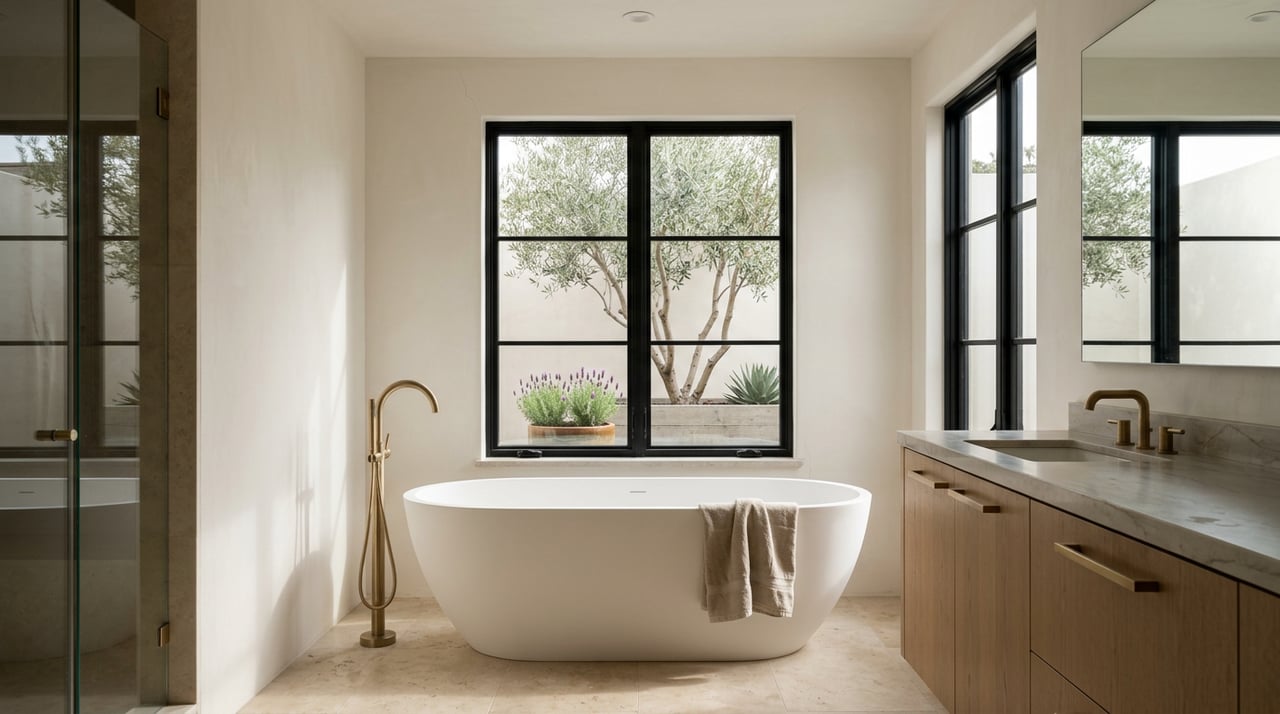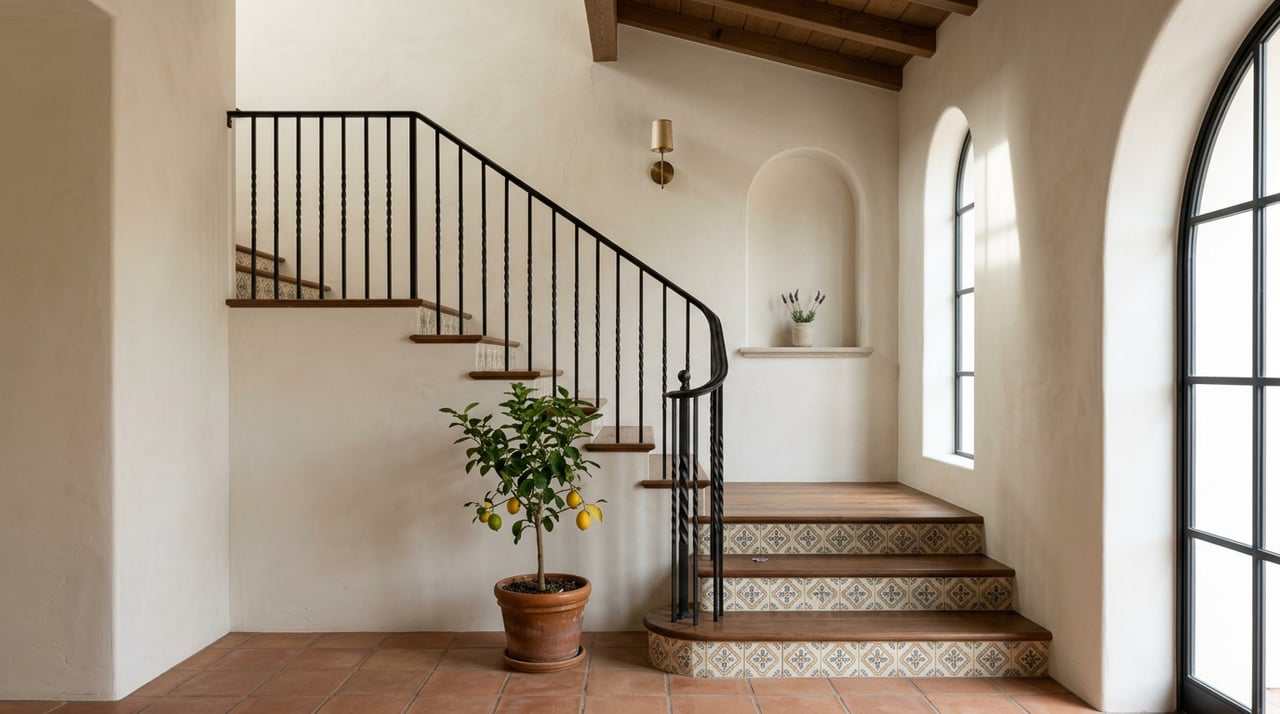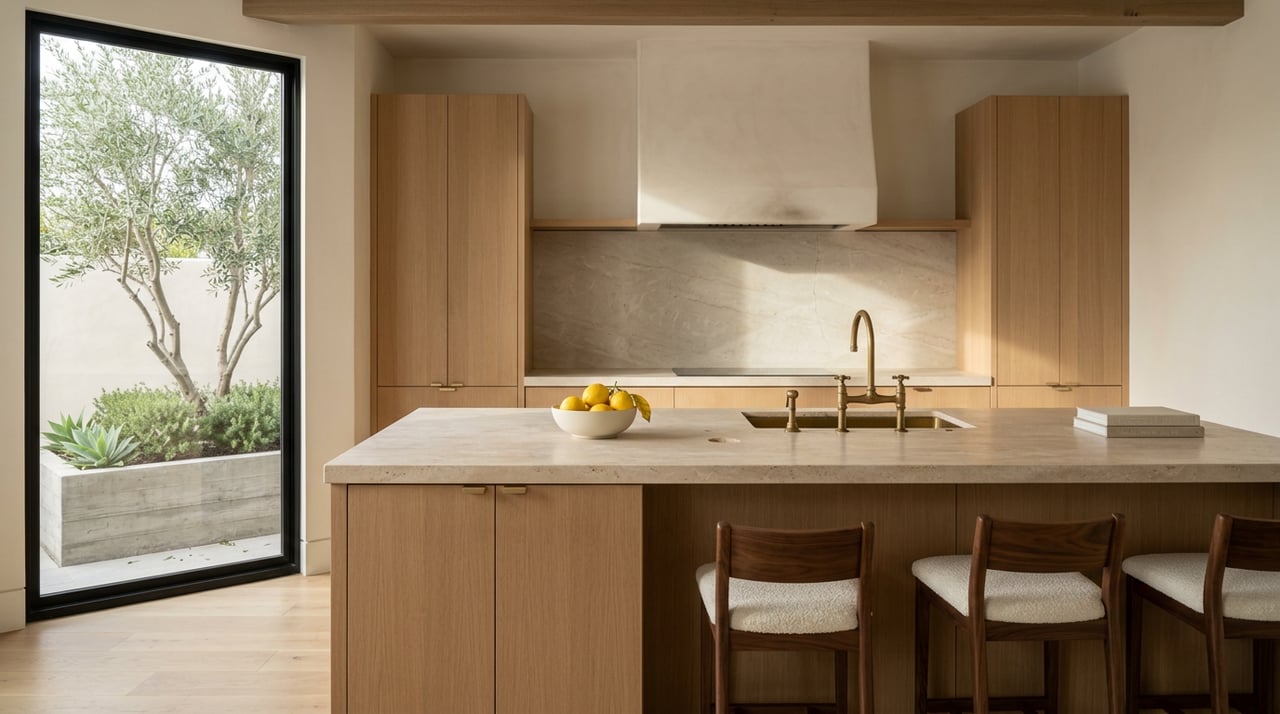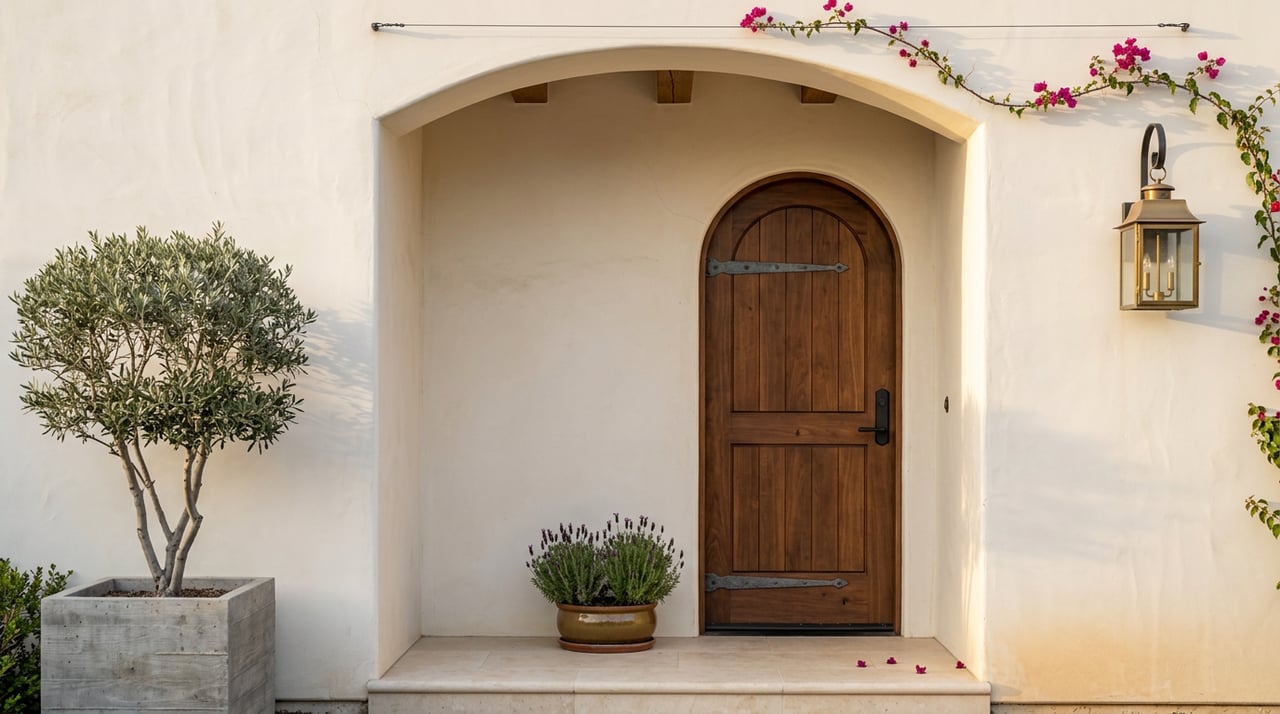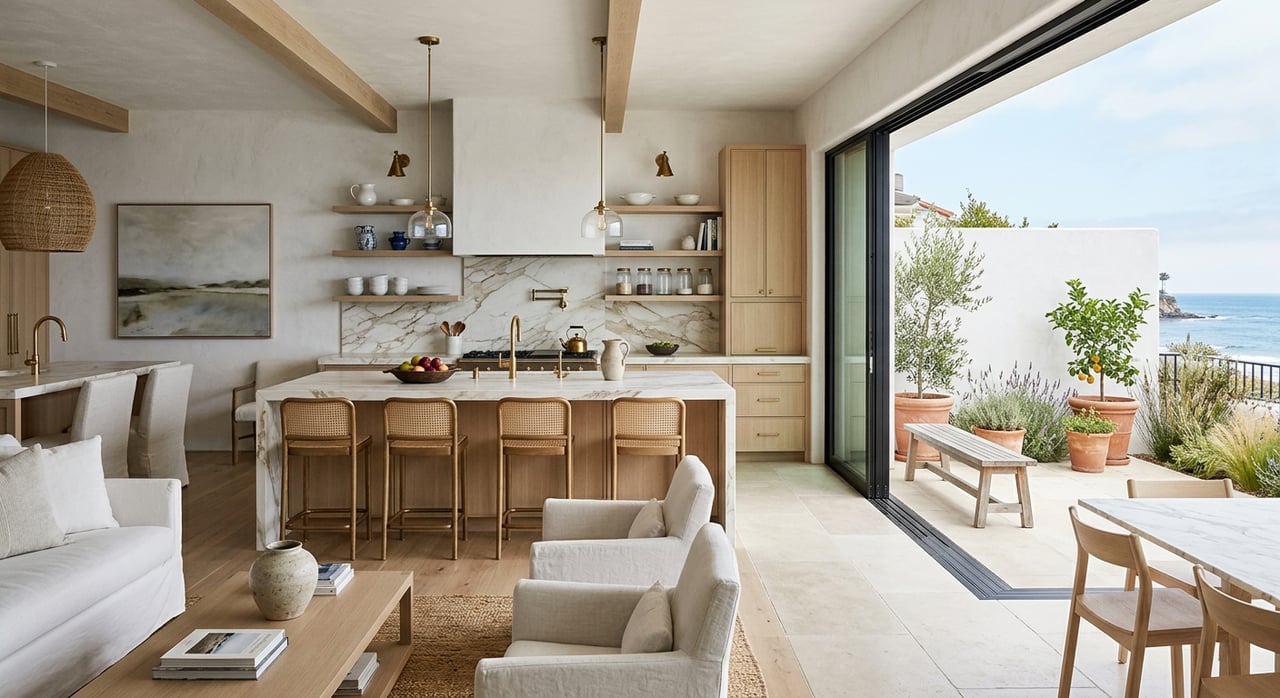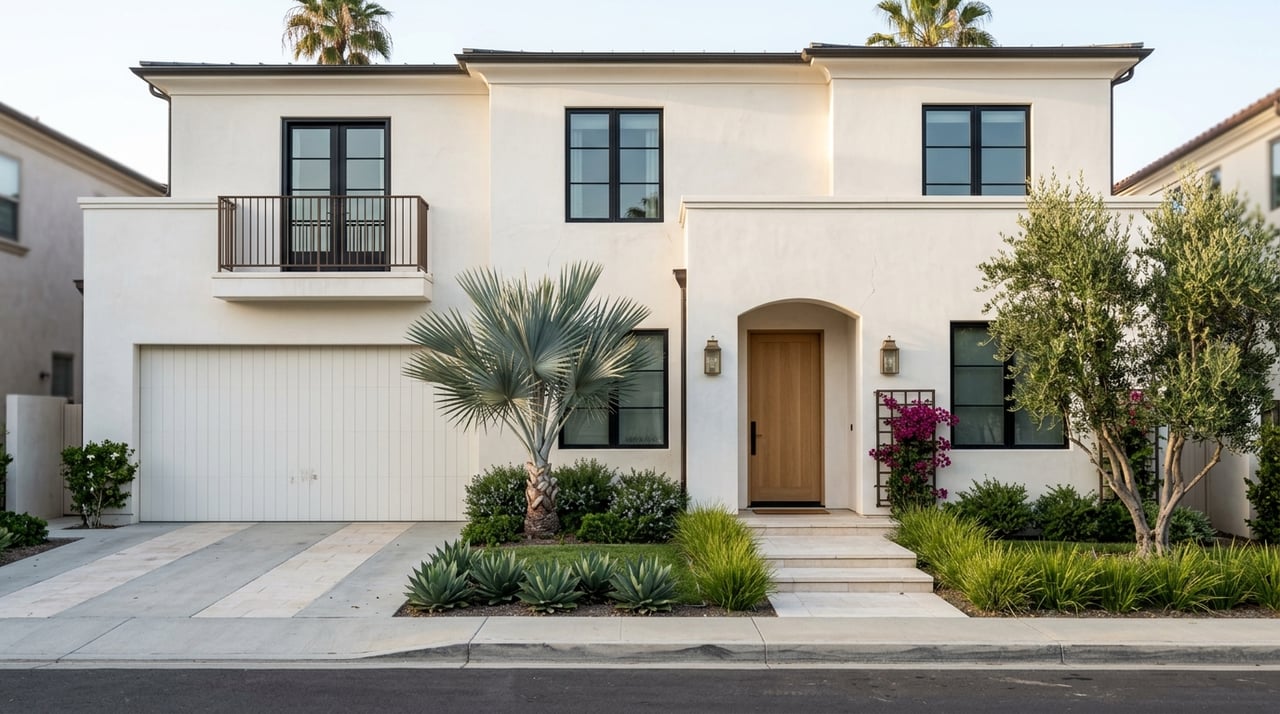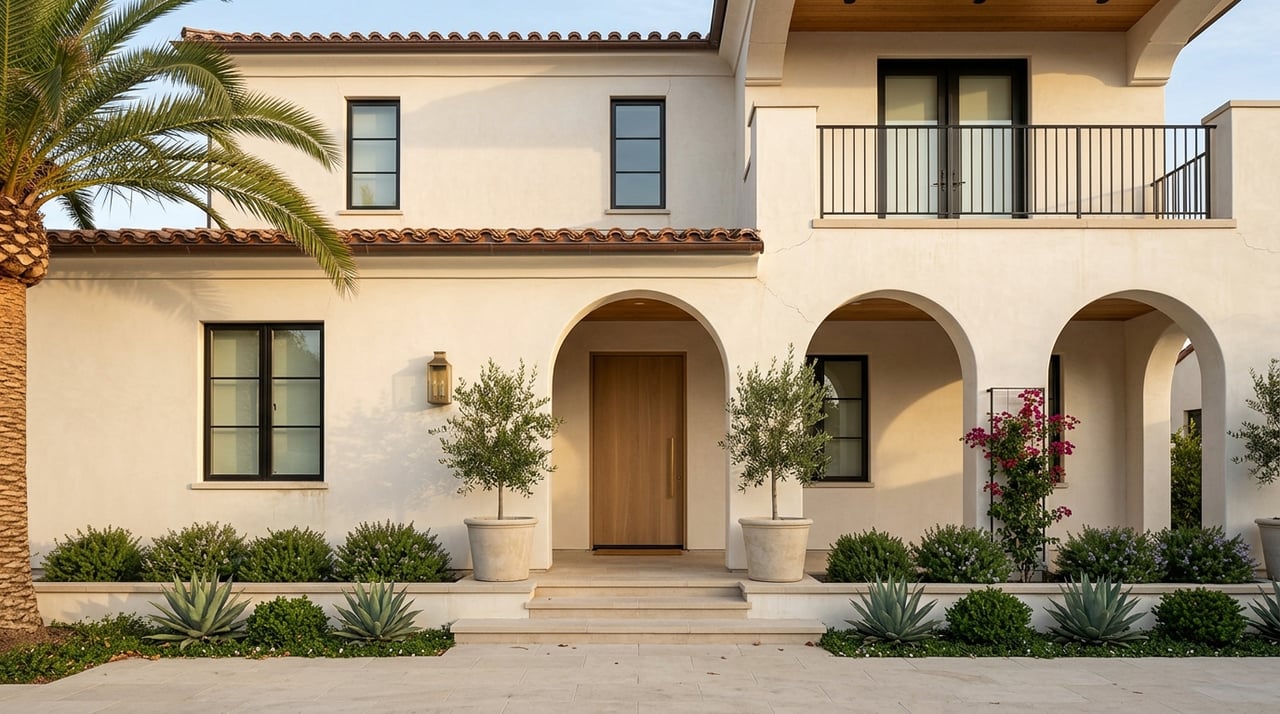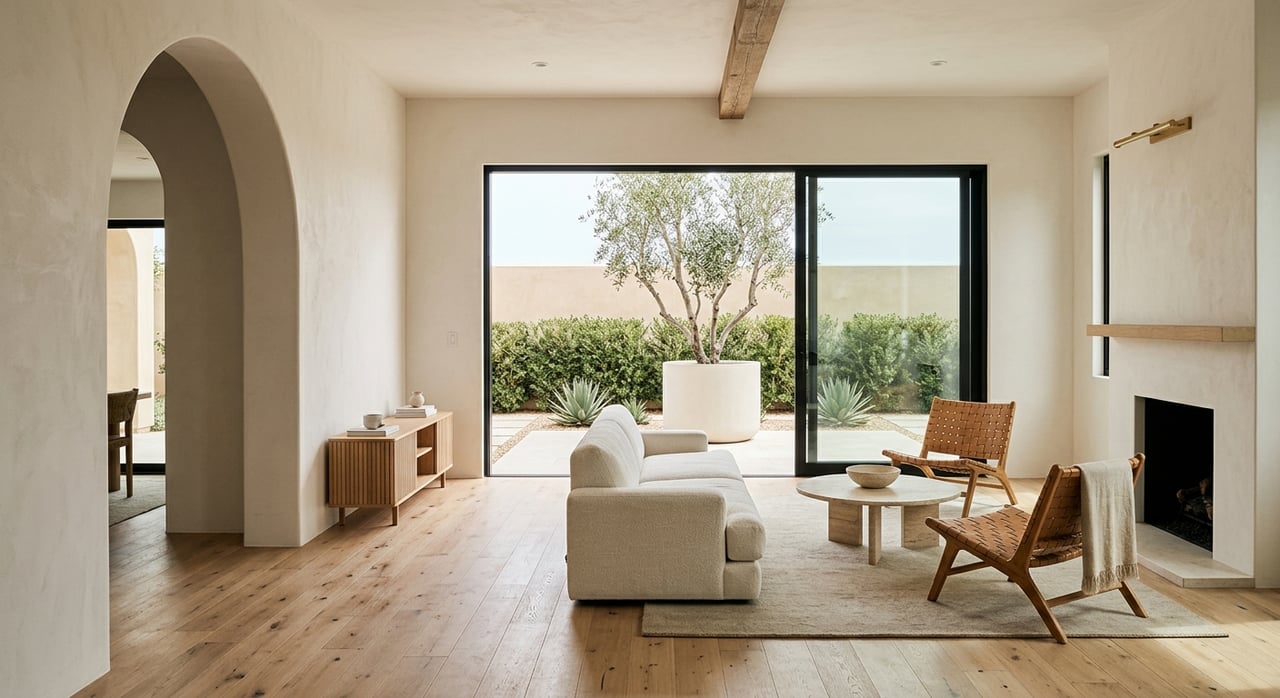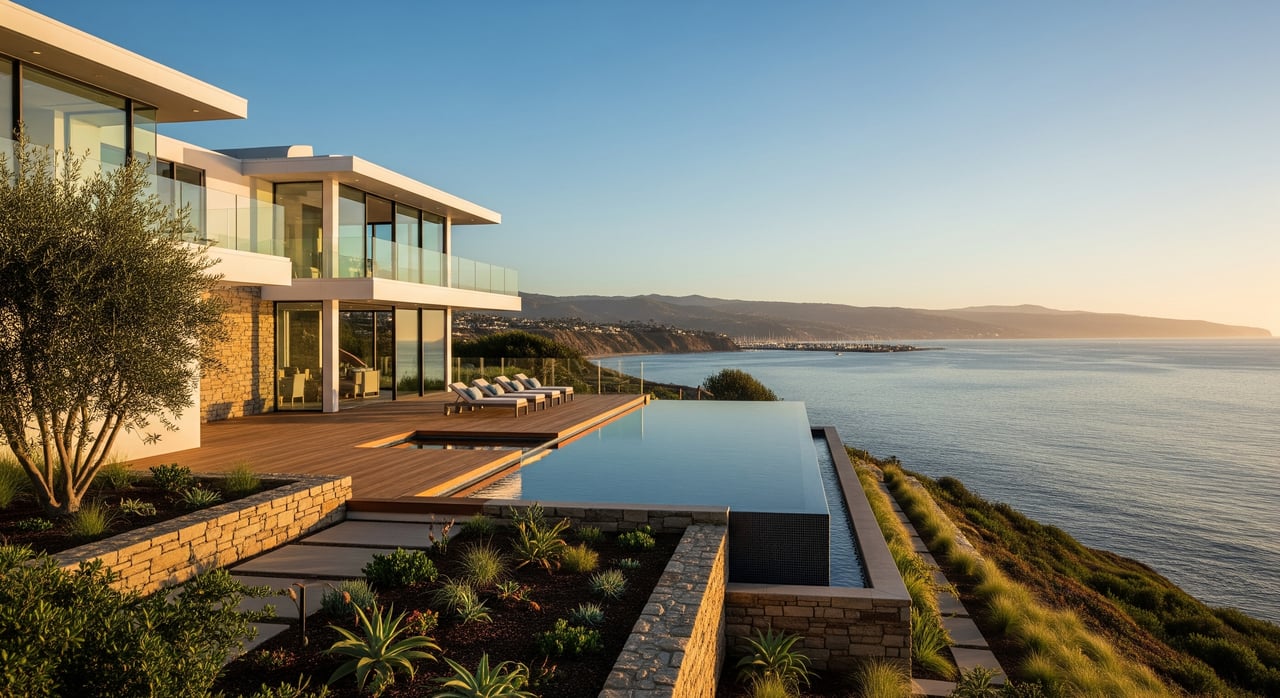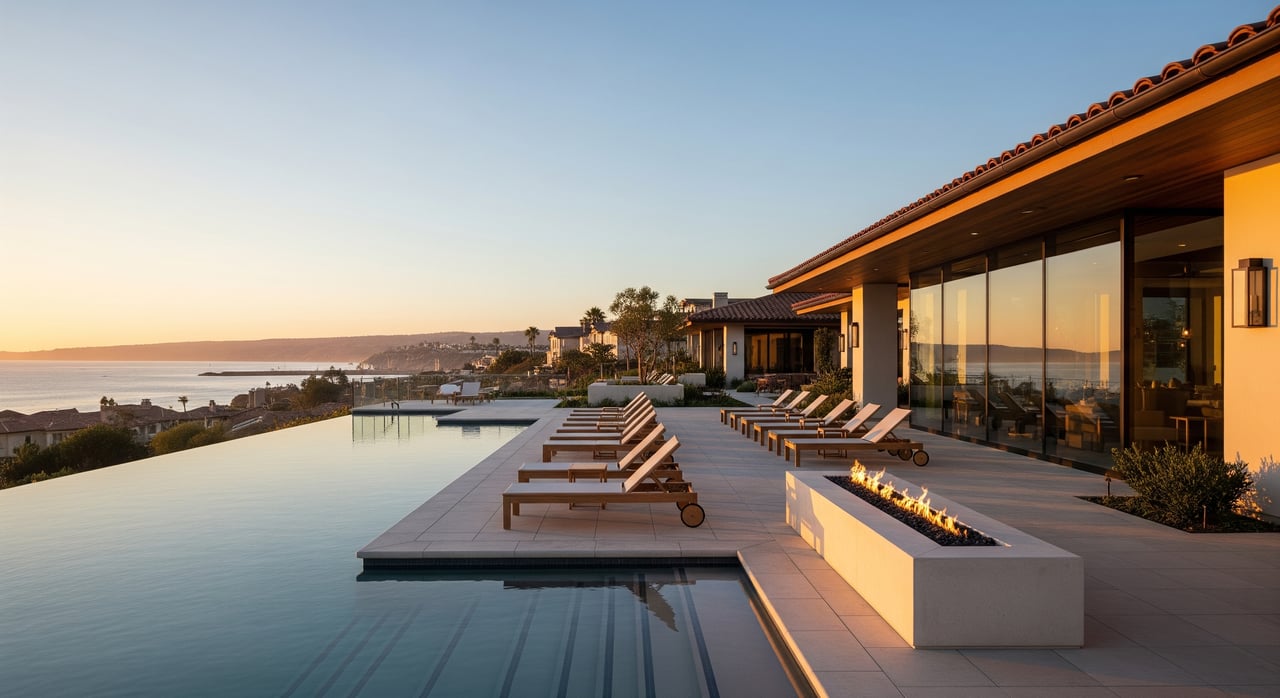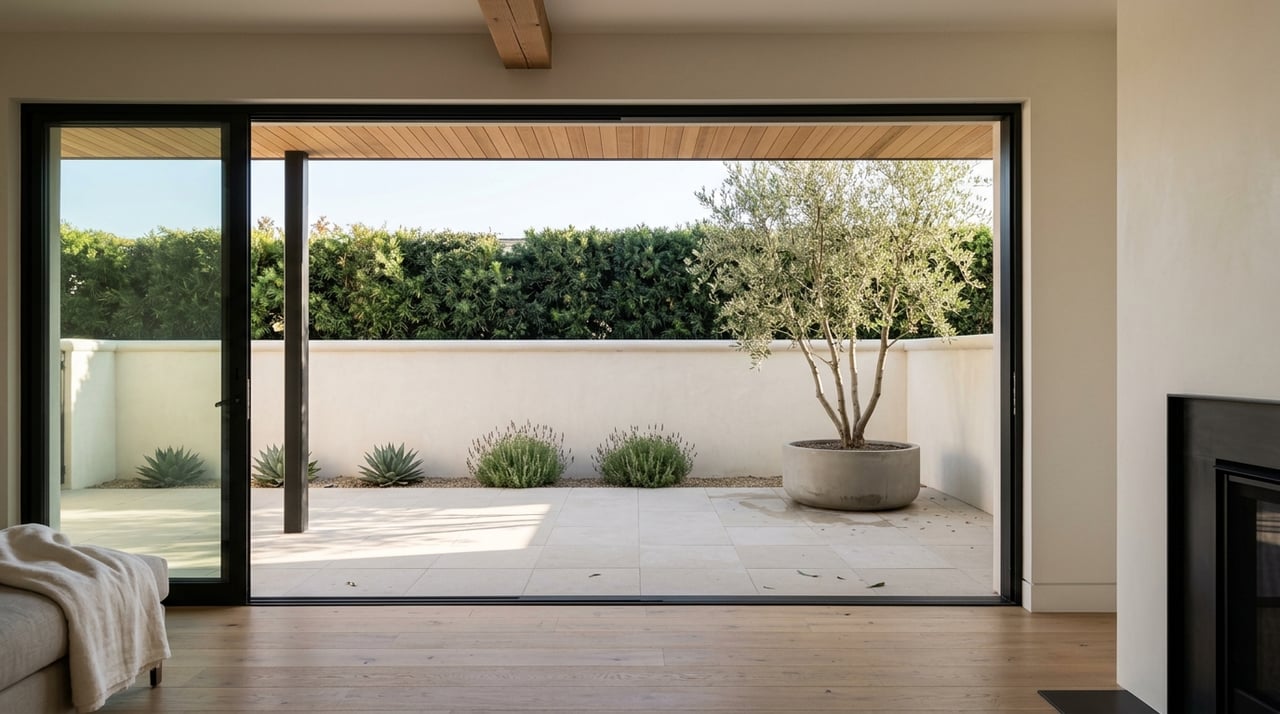
If you are deciding between a newer home and a classic coastal property in Dana Point, you are not just choosing a style. You are choosing how you want to live, what kind of upkeep you are comfortable with, and how much weight you place on character versus convenience. In a city where most housing is older and coastal conditions matter, that choice deserves a closer look. Let’s break down what really separates newer and classic homes in Dana Point.
Why this choice matters in Dana Point
Dana Point is a limited coastal market with about seven miles of coastline, harbor access, beaches, bluff settings, and a mix of village, resort, and residential areas. It is also a market where older homes are a major part of the inventory, not a small niche.
According to state housing analysis cited in the city’s planning materials, about 85% of Dana Point’s housing stock is more than 30 years old, with most homes built between 1970 and 1989. Add in premium pricing, with recent market indicators placing Dana Point in the high-end coastal category, and it becomes clear why buyers want to choose carefully.
Where newer homes are concentrated
In Dana Point, newer homes tend to be found in a few specific settings rather than spread evenly across the city. That makes location a big part of the newer-versus-classic conversation.
The Headlands
The Headlands is the clearest example of newer coastal residential product in Dana Point. The city describes it as a 121.3-acre blufftop area that will include 118 single-family homes along with trails, habitat areas, conservation parkland, and open space.
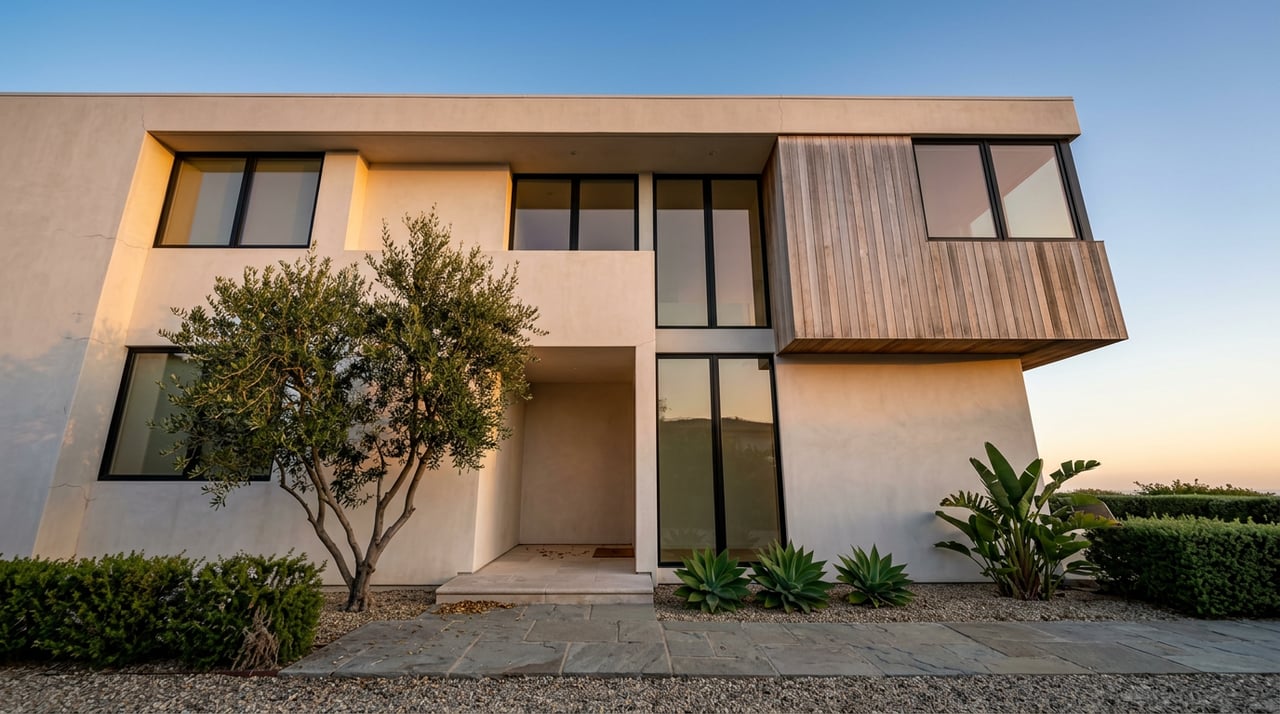
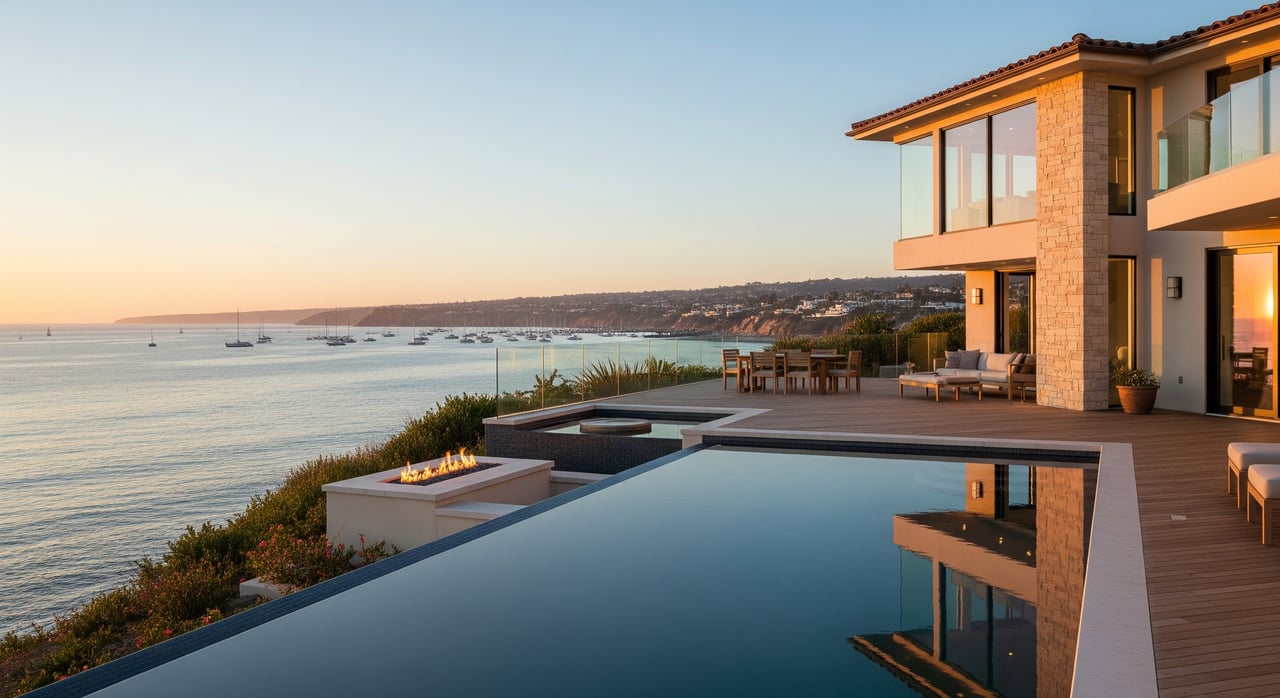
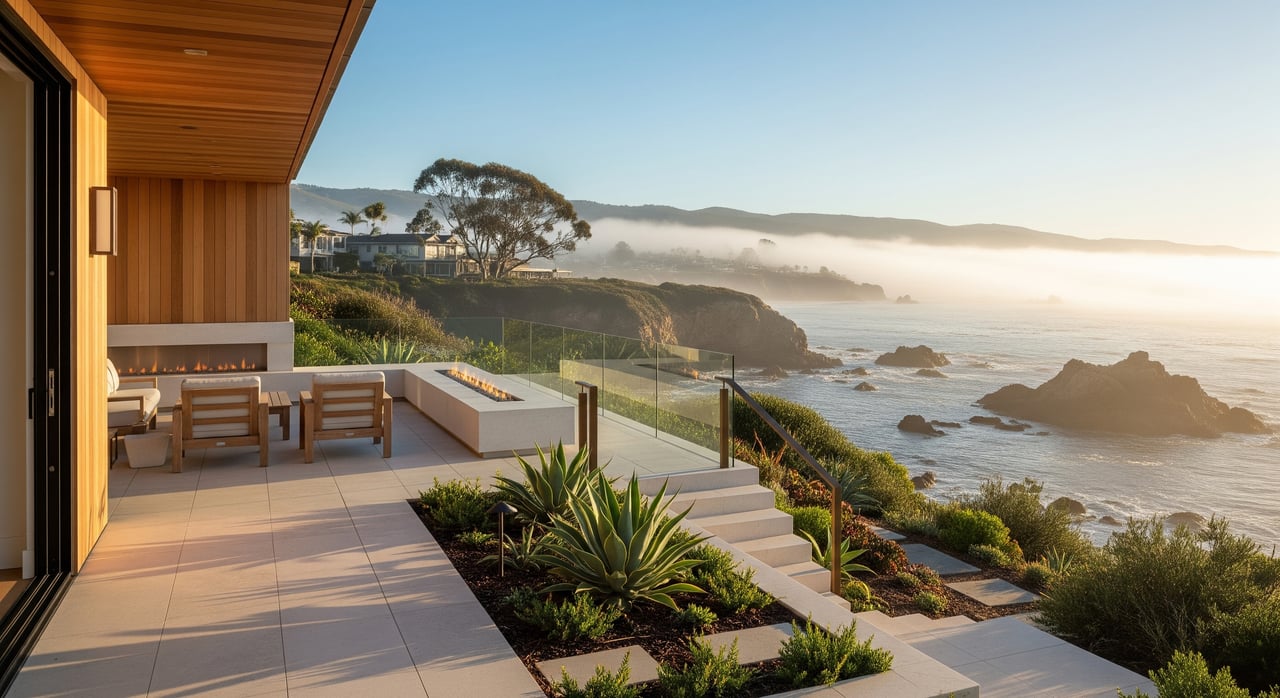
For many buyers, this setting represents the appeal of newer construction in a coastal market: more current design, a planned setting, and fewer immediate repair projects. It is still distinctly Dana Point in feel, with scenic bluffs and a view-conscious planning approach.
Monarch Beach
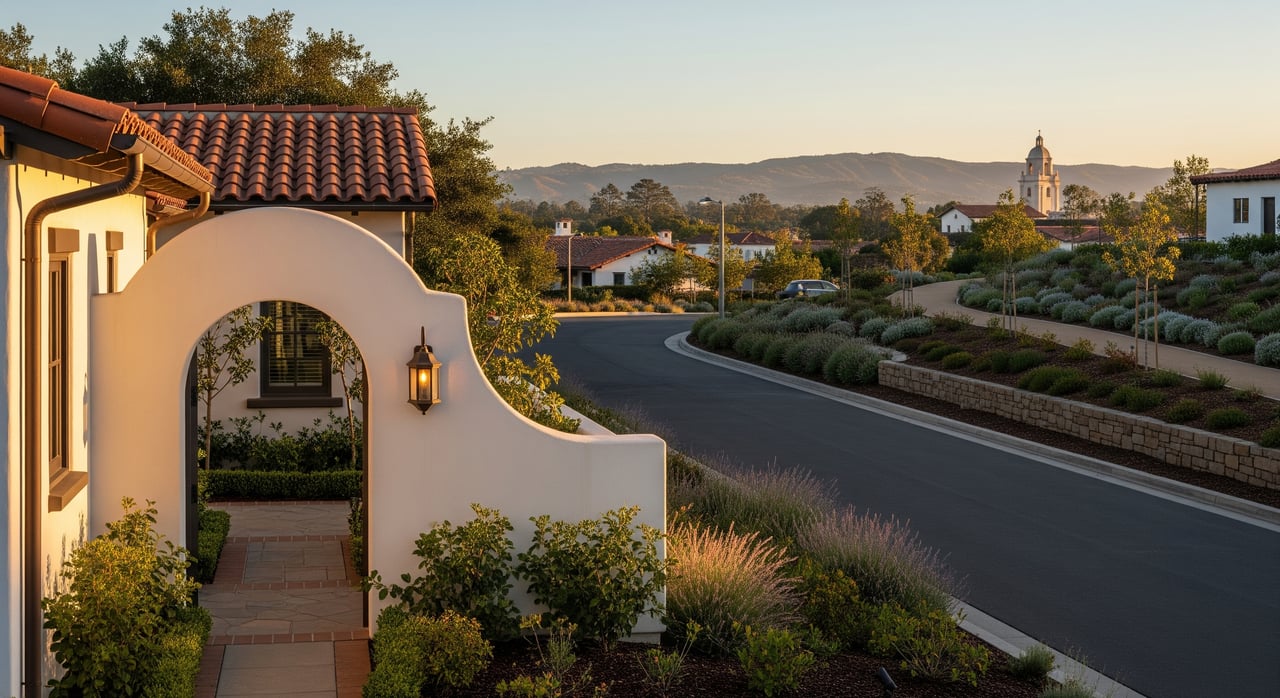
Monarch Beach is another important area when you are looking for more recently planned residential product. City planning documents describe it as a resort-residential area shaped by master planning, with residential uses alongside a golf course, parks, trails, and resort uses.
That planned structure often appeals to buyers who want a more polished, cohesive environment. It can also be a strong fit if you prefer a layout and lifestyle that feels more current while still being coastal and low-rise.
Town Center and Lantern District reinvestment
While many homes in and around Lantern Village are older, the city also notes recent residential reinvestment in the Town Center area. That means you may find remodeled or newly improved properties that offer a blend of established location and updated interiors.
This can be an attractive middle ground if you want to be near Dana Point’s historic core but still value newer finishes or modern systems.
Where classic coastal homes stand out
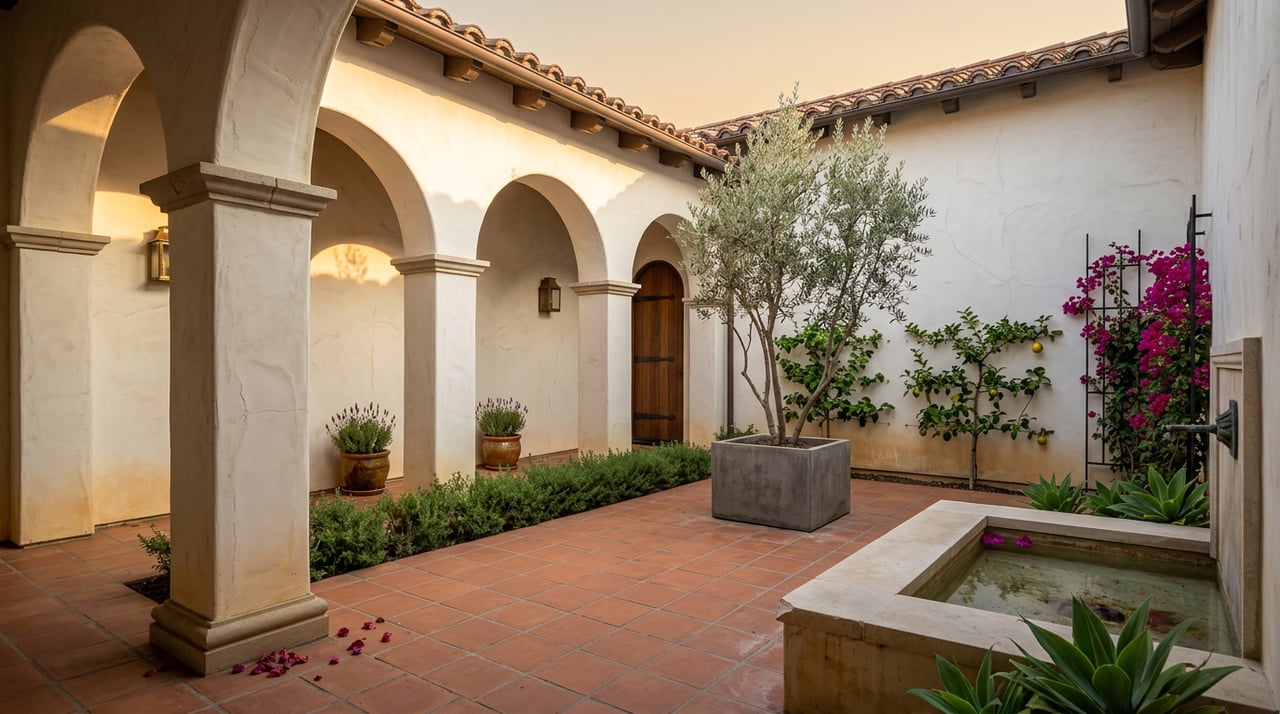
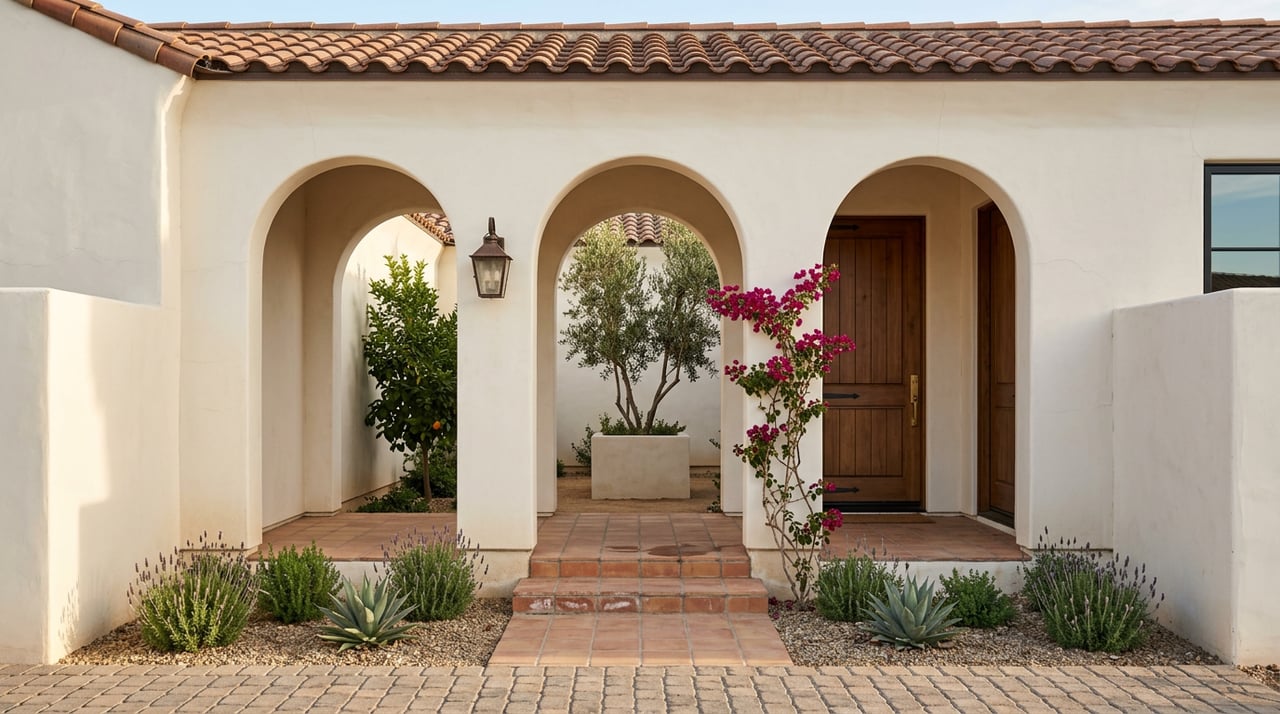
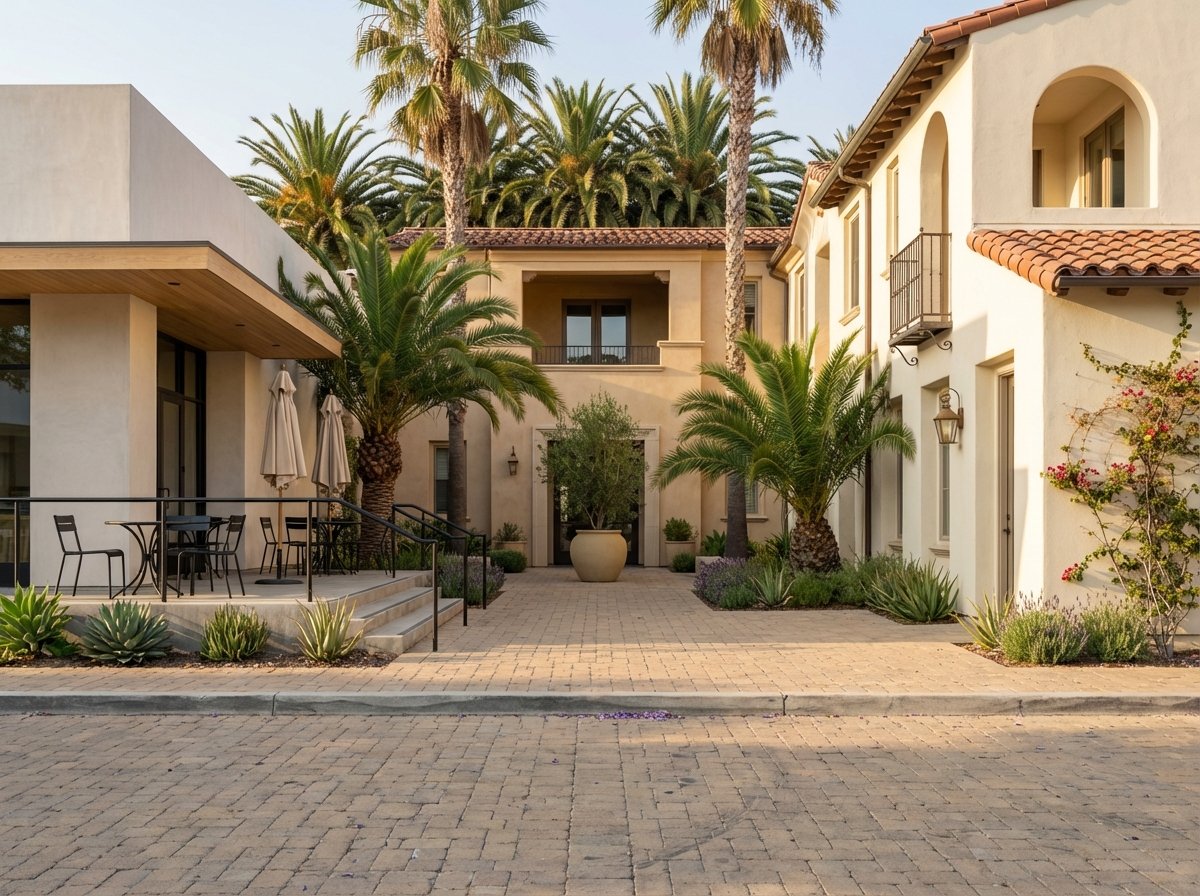
Classic coastal homes are woven into Dana Point’s identity. In many cases, these homes offer the street patterns, architectural variety, and long-established feel that draw buyers to the city in the first place.
Lantern Village
Lantern Village is the historic residential core of Dana Point. City materials say it was established in the 1920s and 1930s, includes the city’s largest concentration of historic homes, and sits within walking distance of Town Center.
If you are drawn to older coastal neighborhoods with a clear sense of place, Lantern Village often delivers that feeling. The appeal here is not just the home itself, but the surrounding texture of the area.
Capistrano Beach
Capistrano Beach is another older coastal district with deep roots. The city describes it as an early-1930s area of small homes and vacation properties, and local hazard planning also identifies it as one of the neighborhoods with a higher concentration of older housing stock.
For buyers, that often translates to charm, established streets, and proximity to Dana Point’s older coastal fabric. It also means you should pay close attention to condition, drainage, and improvement history.
Other older residential pockets
Other neighborhoods tied to Dana Point’s earlier development patterns include Dana Knoll, Sea Canyon, and parts of Doheny Village. These areas can offer the strongest connection to the city’s longstanding residential character.
If your priority is authenticity and a lived-in coastal feel, these neighborhoods are often worth a closer look. Just remember that age and setting can affect maintenance costs over time.
What newer homes often offer
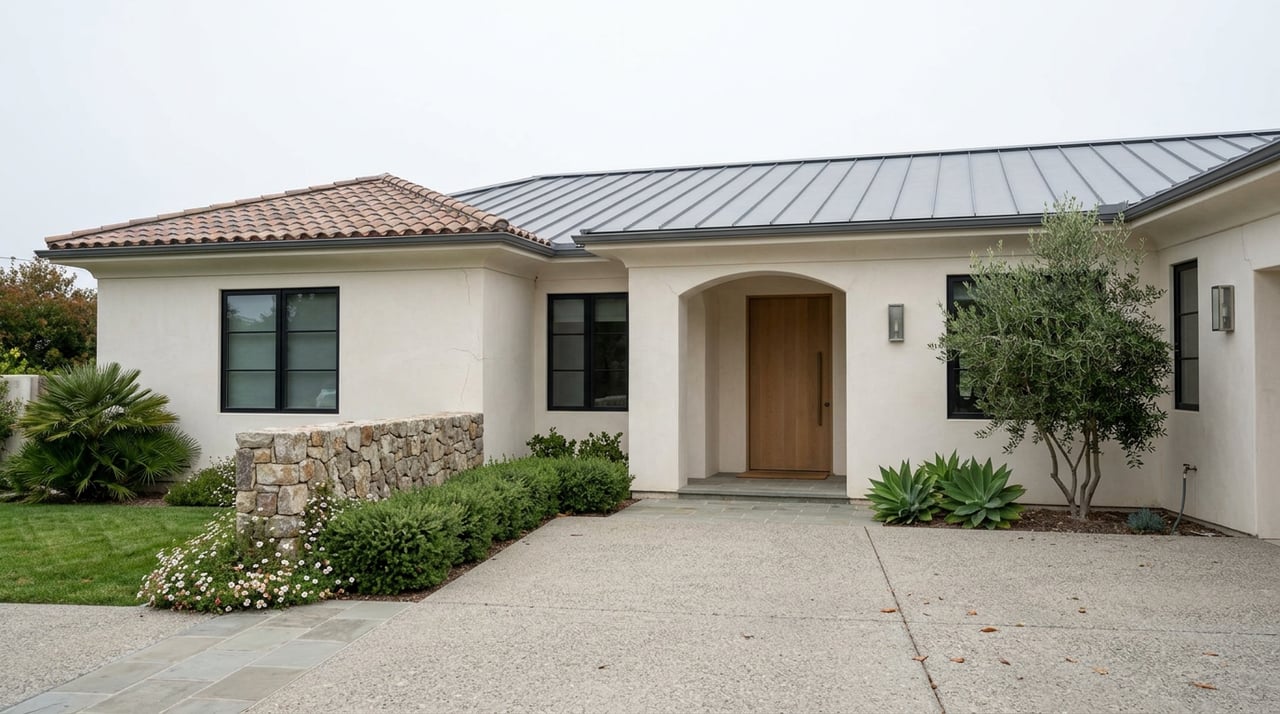
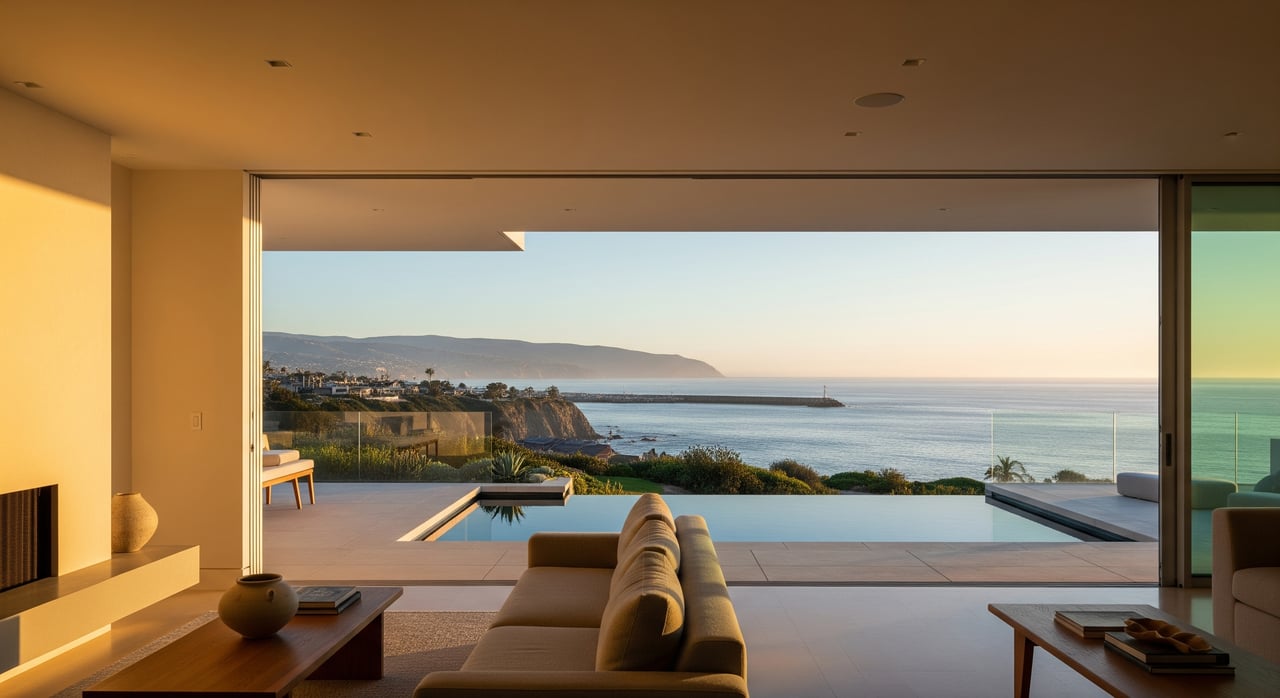
Newer construction in Dana Point usually appeals to buyers who want a home that feels more move-in ready. While every property is different, newer homes often provide more current layouts and may reduce the need for immediate capital repairs.
That does not mean Dana Point’s newer homes feel generic or overbuilt. The city’s coastal planning framework keeps development low-rise and sensitive to views, with regulations in areas like the Harbor district capping new development at 35 feet and emphasizing village-scale, pedestrian-oriented design.
In practical terms, buyers often choose newer homes for reasons like these:
- More current floor plans
- Potentially fewer near-term repair projects
- Updated stormwater or drainage design in some newer developments
- A more turnkey ownership experience
Still, newer does not automatically mean larger lots. Dana Point’s zoning includes minimum lot sizes that range from 2,000 to 17,500 square feet depending on the district, so lot utility depends on the specific property and zoning, not simply the year it was built.
What classic homes often offer
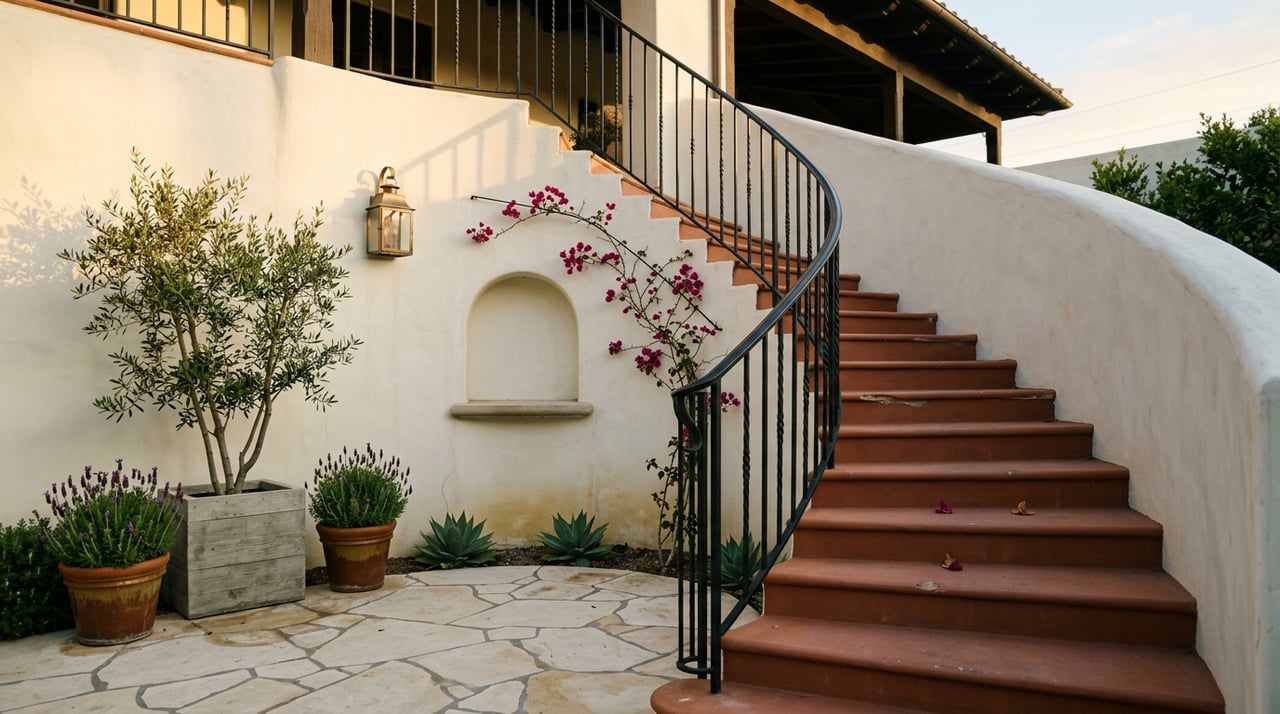
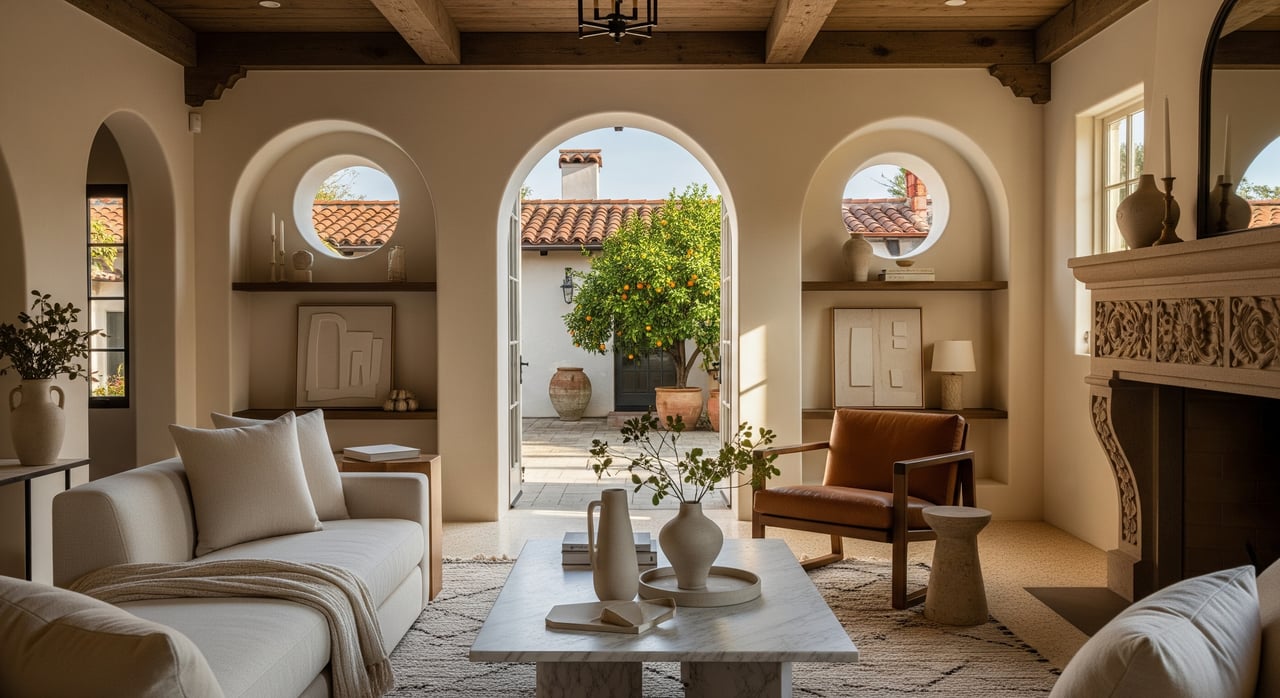
Classic homes tend to win on personality, established surroundings, and a strong connection to Dana Point’s early coastal identity. If you care about original character, mature streets, and the feel of an older neighborhood, classic homes can be especially compelling.
At the same time, an older home may come with older windows, insulation, systems, or deferred maintenance. Given the city’s age-of-stock profile, this is an important practical consideration, especially if you want to budget accurately before you buy.
Buyers often gravitate toward classic homes for these reasons:
- Historic or long-established neighborhood character
- A stronger sense of Dana Point’s original residential fabric
- Unique architectural details and non-cookie-cutter appeal
- Walkability or proximity to older village areas in select locations
If the home has been thoughtfully renovated, you may get the best of both worlds. Even so, your inspection and permit review matter just as much as the design appeal.
Coastal conditions matter more than age alone
In Dana Point, the bigger ownership question is often not simply whether a home is new or old. It is how that home handles the coastal environment.
Salt air, moisture, wind, runoff, bluff conditions, and drainage can all affect long-term ownership costs. In coastal settings, metal components can corrode faster, which makes items like flashing, fasteners, railings, roof components, and exterior hardware especially important to evaluate.
The city’s local hazard planning adds another layer. It identifies Capistrano Beach, Monarch Beach, and The Headlands as areas with susceptibility to issues such as heavy-rain impacts, slope failure, landslide risk, erosion, flooding, and drainage problems.
That does not mean these areas are off limits. It means you should evaluate location-specific conditions carefully, because site exposure and drainage can shape your ownership experience as much as architecture or finish level.
Permits and property improvements
Permitting is especially important for certain coastal properties in Dana Point. The city states that most improvements to homes on Beach Road require a Coastal Development Permit, and most bluff-top improvements beyond minor additions or maintenance typically require one as well.
For bluff-top projects, the city reviews factors such as soil stability, setback from the top of the bluff, drainage away from the bluff face, drought-tolerant landscaping in setback areas, and structural features that help preserve bluff stability. If you are buying with future improvements in mind, this should be part of your decision early, not later.
A simple decision framework
If you are weighing newer versus classic homes in Dana Point, this framework can help you focus on what matters most.
Choose newer if you value ease
A newer home or strong renovation may be the better fit if you want:
- Turnkey living
- Fewer immediate repair projects
- A more current layout
- A more recently planned setting
This path often works well for buyers who want to spend more time enjoying the coast and less time managing projects.
Choose classic if you value character
A classic coastal home may be the better fit if you want:
- Historic or long-established neighborhood texture
- Original charm and individuality
- Closer ties to Dana Point’s older residential core
- A property with renovation potential
This option can be especially appealing if you see value in character and are comfortable with a more hands-on ownership profile.
In both cases, focus on the property itself
Whether a home is newer or classic, be sure to evaluate:
- Bluff or slope exposure
- Drainage and runoff patterns
- Permit history
- Condition of exterior materials and systems
- Lot size and lot utility
- The specific neighborhood setting
In Dana Point, these factors can be just as important as the build year.
If you want help comparing specific neighborhoods, property types, or renovation tradeoffs in Dana Point, working with an experienced local advisor can make the process much clearer. For tailored guidance on coastal homes, neighborhood nuances, and property positioning, connect with Kathy Samuel.
FAQs
What areas in Dana Point have more classic coastal homes?
- Classic coastal homes are most associated with Lantern Village, Capistrano Beach, Dana Knoll, Sea Canyon, and parts of Doheny Village, based on the city’s planning and neighborhood materials.
What areas in Dana Point have more newer homes?
- Newer residential product is more concentrated in The Headlands and Monarch Beach, with additional reinvestment and updated housing in the Town Center and Lantern District area.
Are older homes common in Dana Point?
- Yes. State housing analysis referenced in city planning documents says about 85% of Dana Point’s housing stock is more than 30 years old.
Do newer homes in Dana Point always have larger lots?
- No. Lot size depends on the zoning district, and the city’s code includes minimum lot sizes ranging from 2,000 square feet to 17,500 square feet.
What should buyers watch for in Dana Point coastal homes?
- Buyers should pay close attention to drainage, coastal exposure, corrosion risks, bluff or slope conditions, permit history, and the condition of exterior systems and materials.
Do Dana Point bluff-top or Beach Road homes have stricter permit rules?
- Yes. The city states that most improvements on Beach Road and many bluff-top improvements require a Coastal Development Permit, with added review for soil stability, setbacks, drainage, and bluff protection factors.