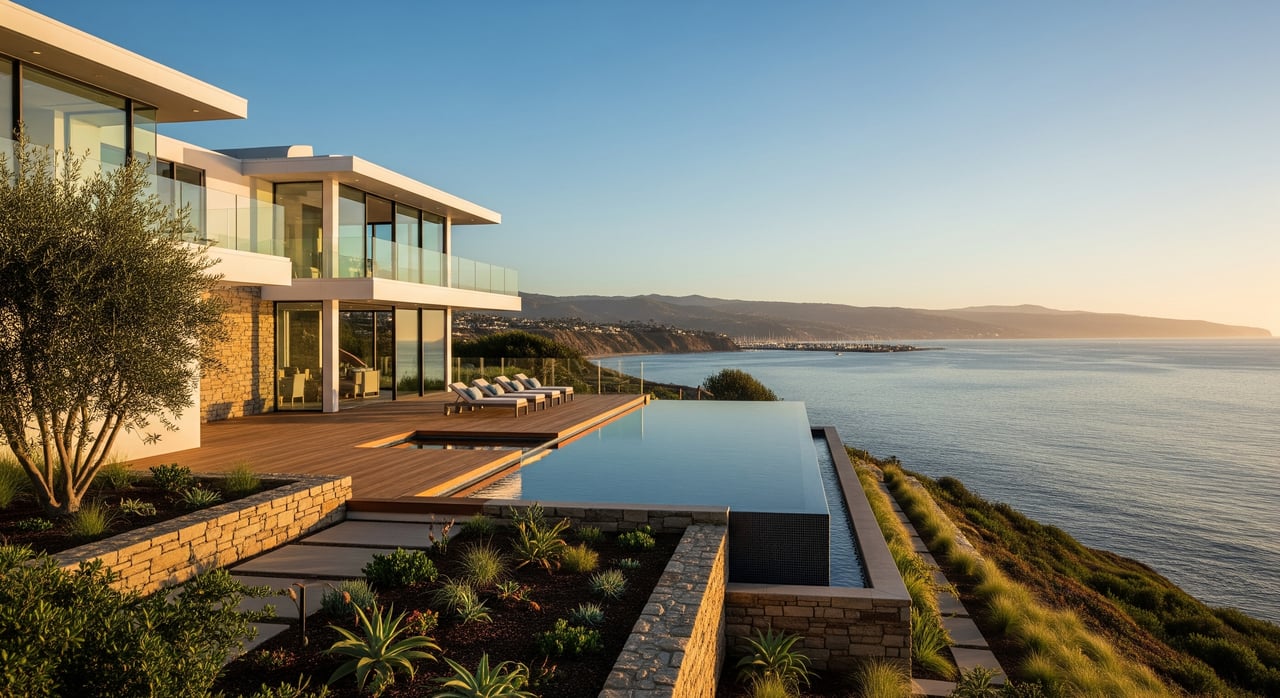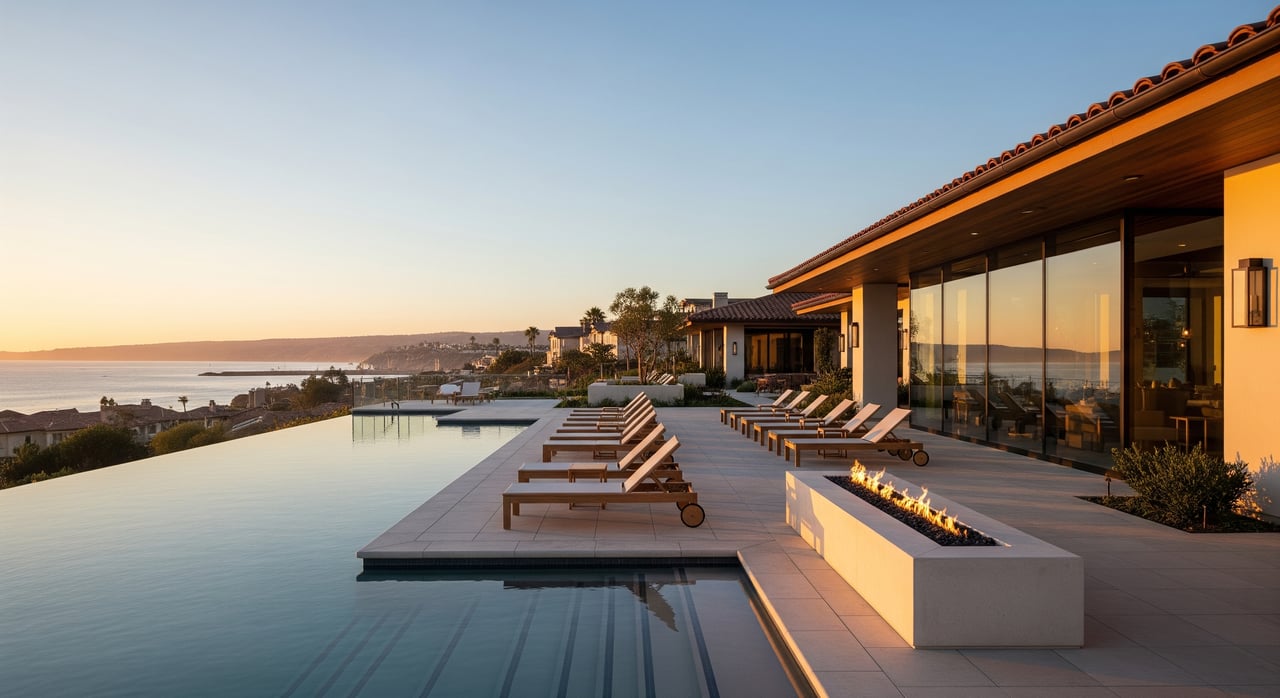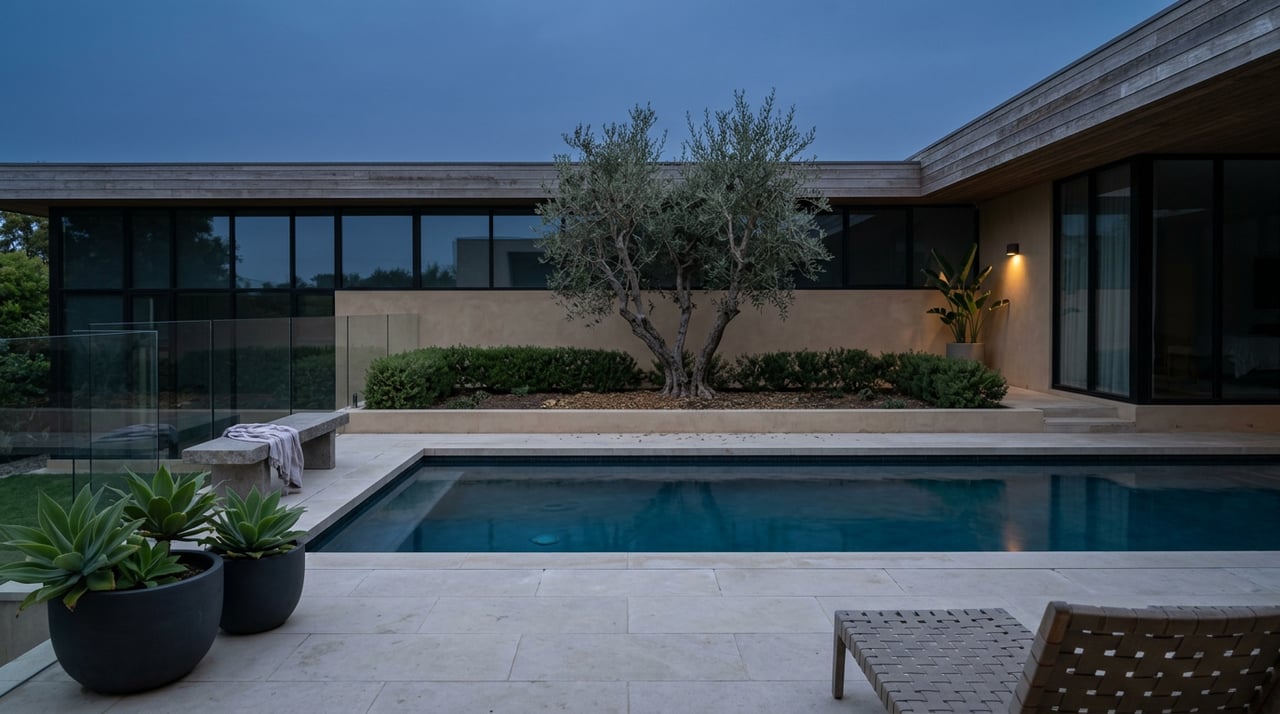
In March 2026, the median sale price in Monarch Bay, the private enclave that anchors Monarch Beach's high end, hit $13.9 million. That's up 74.2 percent from a year earlier. In a normal market, a jump like that comes with homes moving faster, buyers competing, multiple offers closing the gap between list and sale. Monarch Bay's homes did the opposite. Average time on market climbed from 185 days to 267 days over the same stretch.
A price that rises while the pace of sales slows isn't describing a market getting hotter. It's describing a market where the transactions showing up in the data are a smaller and stranger slice of what's actually happening.
If you're comparing Monarch Beach to other South Orange County neighborhoods using the number a portal hands you, you're comparing against a figure built on very few sales, some of which never should have been counted as representative in the first place. Here's what's actually driving that median, and what it means if you're the one about to write an offer or set a list price here.
A Median Built on Too Few Sales
Monarch Beach is not a large market. As of early 2026, the area had roughly 27 active listings at any given time, with a median list price near $6.8 million and homes sitting for an average of 84 days before going under contract. Over a trailing 90-day window this spring, local sales data showed 26 single-family homes closing at an average price of $6,938,077, an average of $1,760 per square foot, and homes selling in an average of 65 days at 94.73 percent of list price.
Twenty-six sales in three months. Twenty-seven listings on the market at once. Those are the numbers behind the median you see on any home search site. In a market that size, one $22 million estate closing next to three $5 million tear-downs can move the median more than an entire quarter of normal activity would in a neighborhood with hundreds of annual sales. The volatility isn't a sign of instability. It's a sign of a sample too thin to summarize with a single number.
The Sales That Never Reach the Portal
The thinness gets worse before it gets better. Roughly 20 percent of homes in Dana Point sell before they ever reach the MLS, and that share runs higher in Monarch Bay and The Strand at Headlands, the two sub-communities where inventory is already scarcest.
That's not a footnote. It means the median you're reading was calculated without some of the neighborhood's most expensive, most desirable sales. Sellers at this tier often have reasons to skip public listing entirely: they want to avoid a public days-on-market clock ticking upward while showings happen, they already know who in the community might want the house, or they simply prefer a transaction that never generates a Zillow alert to their neighbors. None of that requires urgency or distress. It requires privacy, and at $10 million and up, privacy is often the more valuable asset.
The practical result is a two-tier market hiding inside one number. There's the visible market, made of the listings and sales that show up in public records and portal medians. And there's a parallel market of homes that trade quietly, at prices and terms that never correct the public figure. If you're pricing a purchase or a listing against the visible median alone, you're missing a meaningful share of what buyers at this level are actually paying.
One Address, Four Markets
Monarch Beach and Niguel Shores are marketed as a single area, but they contain at least four distinct pricing tiers, each with its own inventory count and its own reason for existing.
| Sub-community | Approximate homes | Defining feature | Typical price range |
|---|---|---|---|
| Monarch Bay | 214 | Private beach club, ocean-direct access | $5M to $28M+ |
| Ritz Cove | 101 | Double-gated, adjacent to the Ritz-Carlton and Waldorf Astoria resort corridor | $4M to $18M |
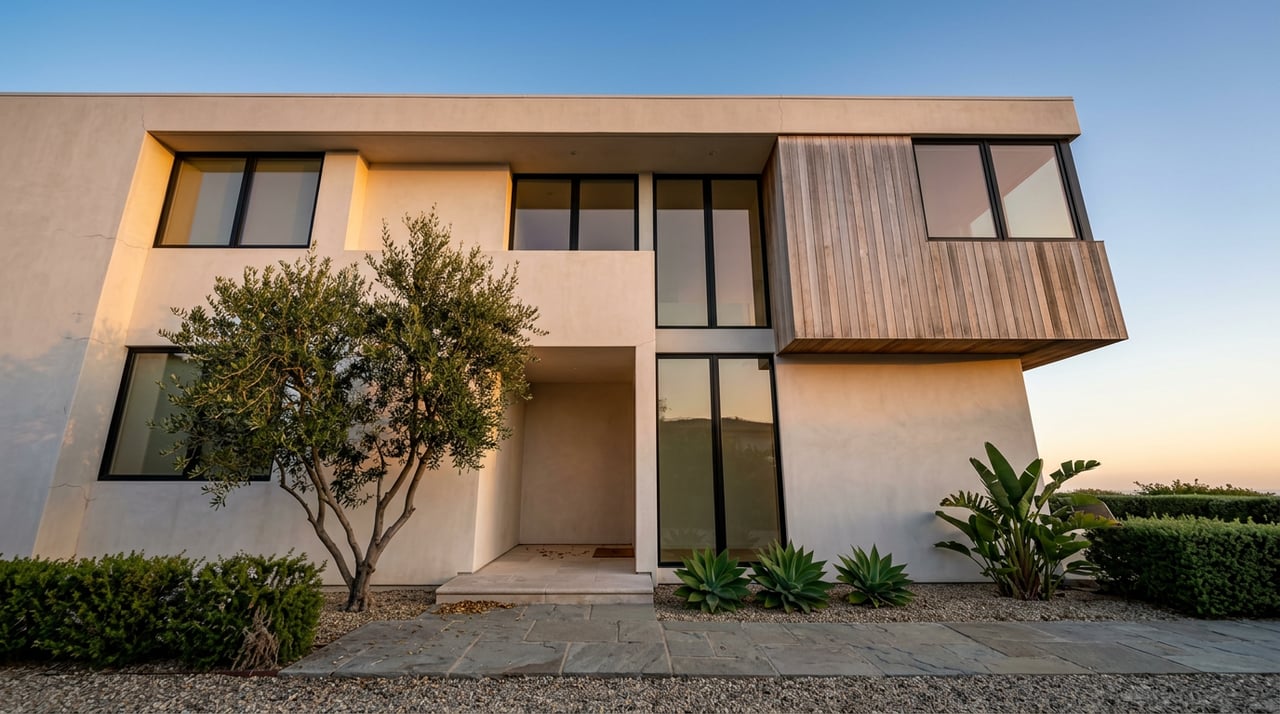
| The Strand at Headlands | Often just 2 to 5 active listings at once | Contemporary construction on bluff lots above Strand Beach | Roughly $13.5M to $22.5M |
| Niguel Shores | Nine distinct sub-tracts | Guard-gated since 1969, HOA-owned bluff park with direct beach access | High $1Ms to $14M, with recent medians closer to $2.6M to $2.9M |
Niguel Shores is the entry point into this same coastline, and its economics work differently than the estates above it. Monthly HOA dues of roughly $260 to $386 fund 24-hour gate security, a heated pool, tennis and pickleball courts, and the community's signature amenity: a private bluff-top park with a walkway straight down to Salt Creek Beach. A buyer priced out of Monarch Bay by a factor of five can still walk to the same stretch of sand through a gate that keeps the general public off it.
Treating "Monarch Beach" as one price point erases the difference between a Niguel Shores townhome with beach-club-style dues and a Monarch Bay estate with private beach club membership built into the deed. The citywide median can't hold both stories at once, so it tells neither one accurately.
What This Means If You're Actually Pricing Something Here
If you're comparing Monarch Beach to another South Orange County neighborhood before writing an offer, or trying to set a list price for a home here, the median alone won't get you there. A few things will:
- Ask which sub-community the comps you're looking at actually sit in. A Ritz Cove sale and a Niguel Shores sale have nothing in common except a shared area name.
- Ask your agent whether they know of anything that traded off-market in the last six months in your target sub-community. If the answer is no, the comp set you're working from is incomplete by construction, not by accident.
- Treat days-on-market figures with a grain of salt at the top end. A 267-day average in a market with only a handful of annual sales says more about how few transactions exist than about how buyers are behaving.
- Compare price per square foot within a sub-community, not across the neighborhood. At $1,760 per square foot for the broader Monarch Beach single-family average this spring, a home priced well below that in Ritz Cove and one priced well above it in Niguel Shores can both be fairly priced. They're not competing for the same buyer.
For broader context, Orange County's overall house price index rose about 48.7 percent from 2020 through 2024, according to FHFA data hosted by the Federal Reserve Bank of St. Louis. Monarch Beach's swings, both up and down, have moved well past that regional pace in some windows and lagged it in others, which is exactly what a thin, partially hidden market tends to do.
Frequently Asked Questions
Does this mean the median price is useless? Not useless, but incomplete. It's a reasonable starting point for understanding the overall tier of a neighborhood. It's a poor substitute for pricing a specific home in a specific sub-community, especially one where a fifth or more of sales never appear in it.
How would I even find out about an off-market sale? Off-market activity isn't published anywhere a portal search will surface. It travels through agents, title companies, and community relationships built over years of closed transactions in the same streets.
Is the days-on-market number at least reliable? It's accurate for what it measures, listings that were public. It just measures a shrinking share of the actual activity the higher up the price ladder you go.
Pricing a home correctly in Monarch Beach or Niguel Shores means reading past the number a portal hands you and understanding which sub-community, which comp set, and which slice of the market that number actually represents. Kathy Samuel has spent decades tracking exactly that distinction street by street along this coastline. If you're weighing a purchase or preparing to list here, request a private home valuation before you anchor to a number that may not include the sales that matter most.