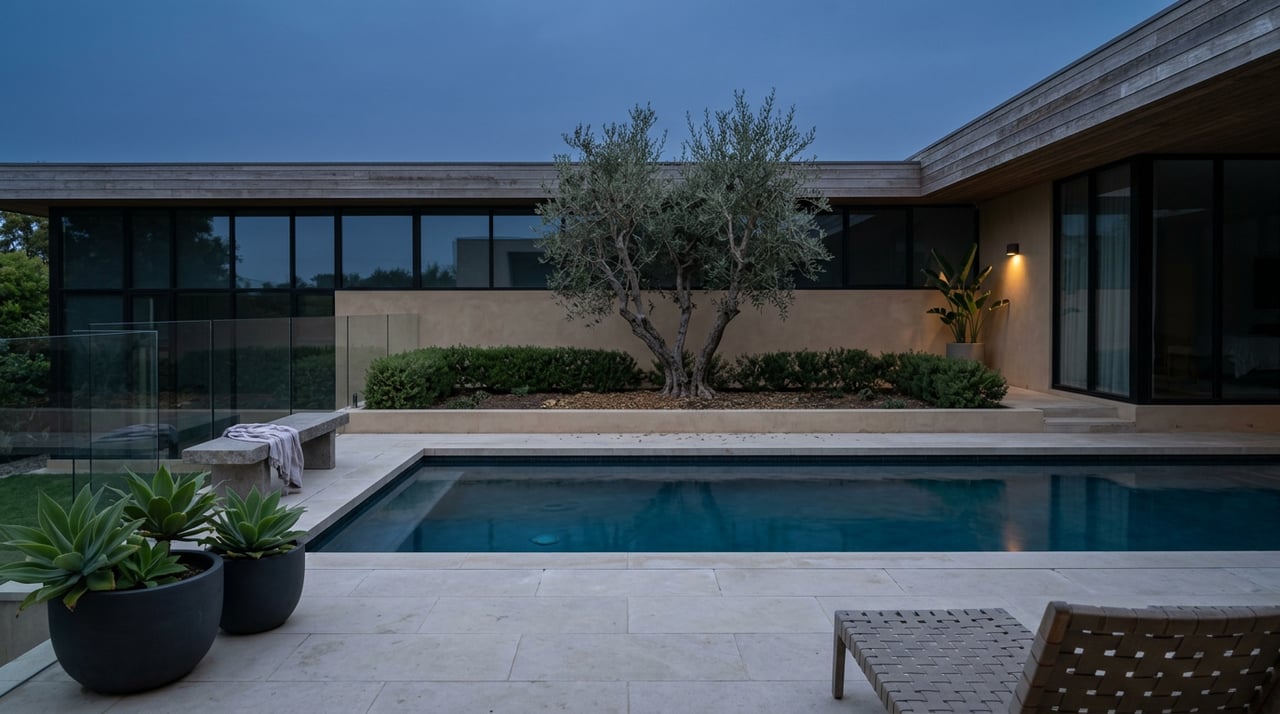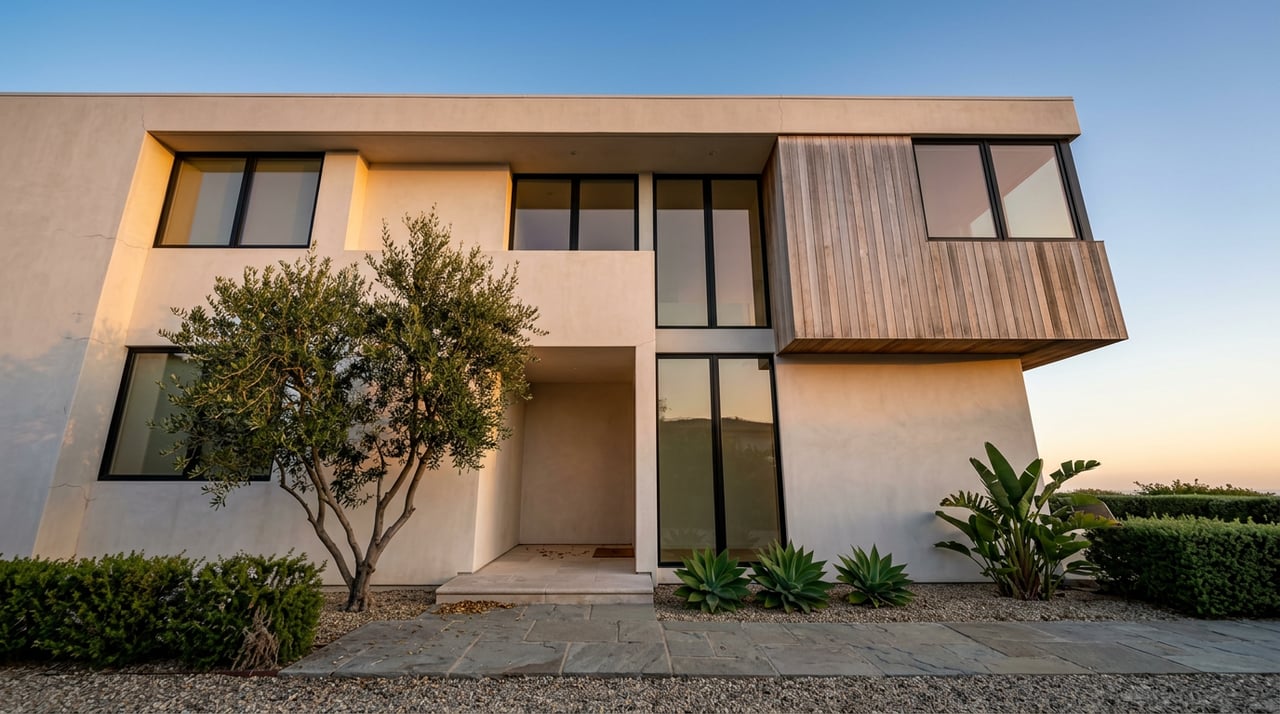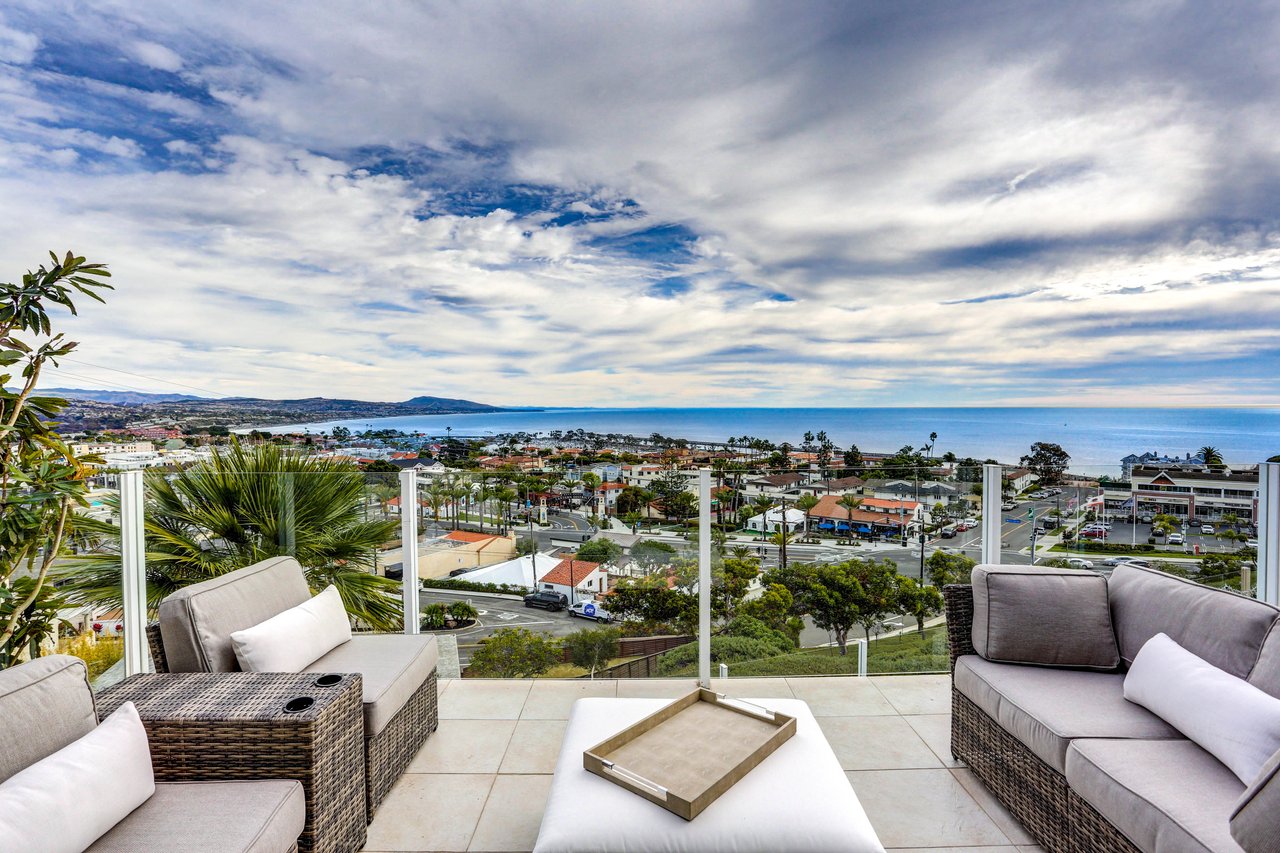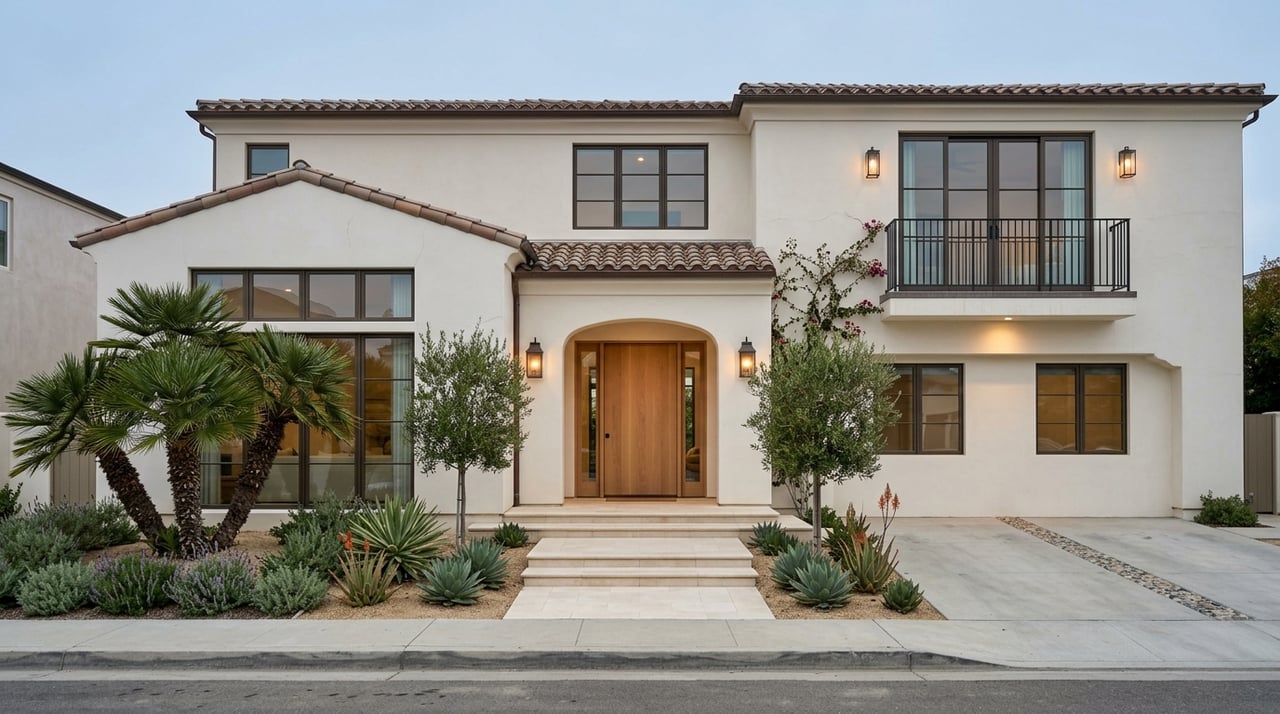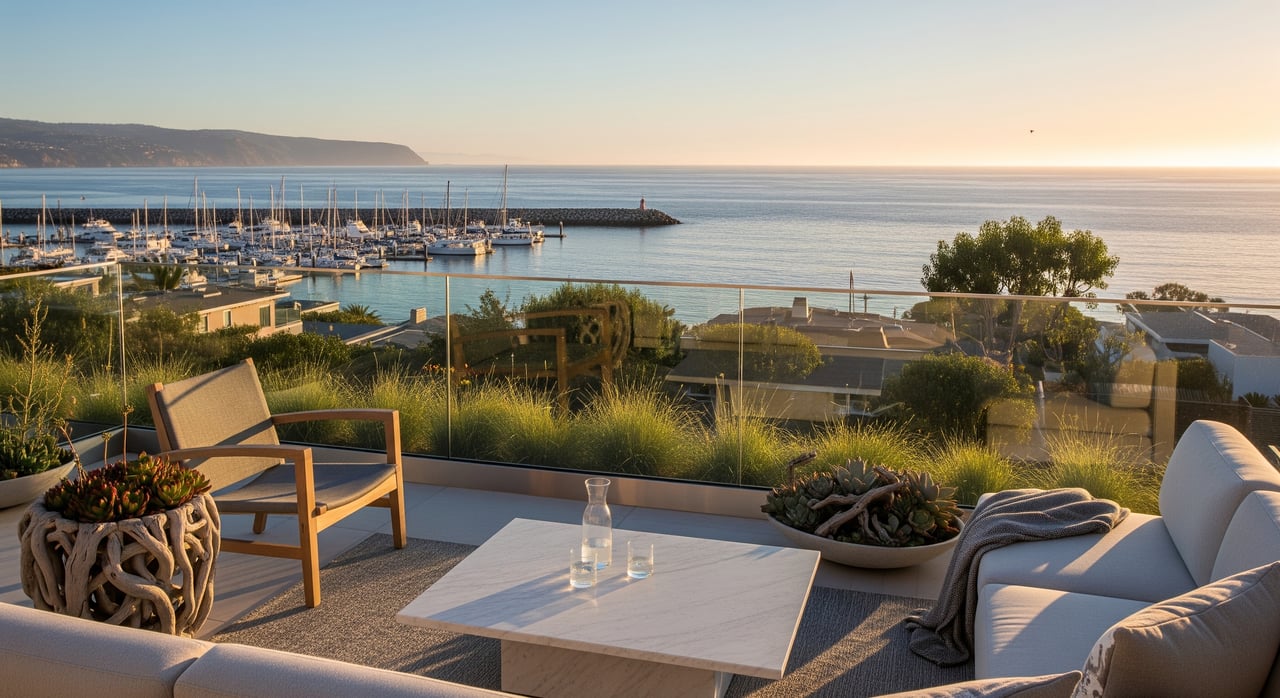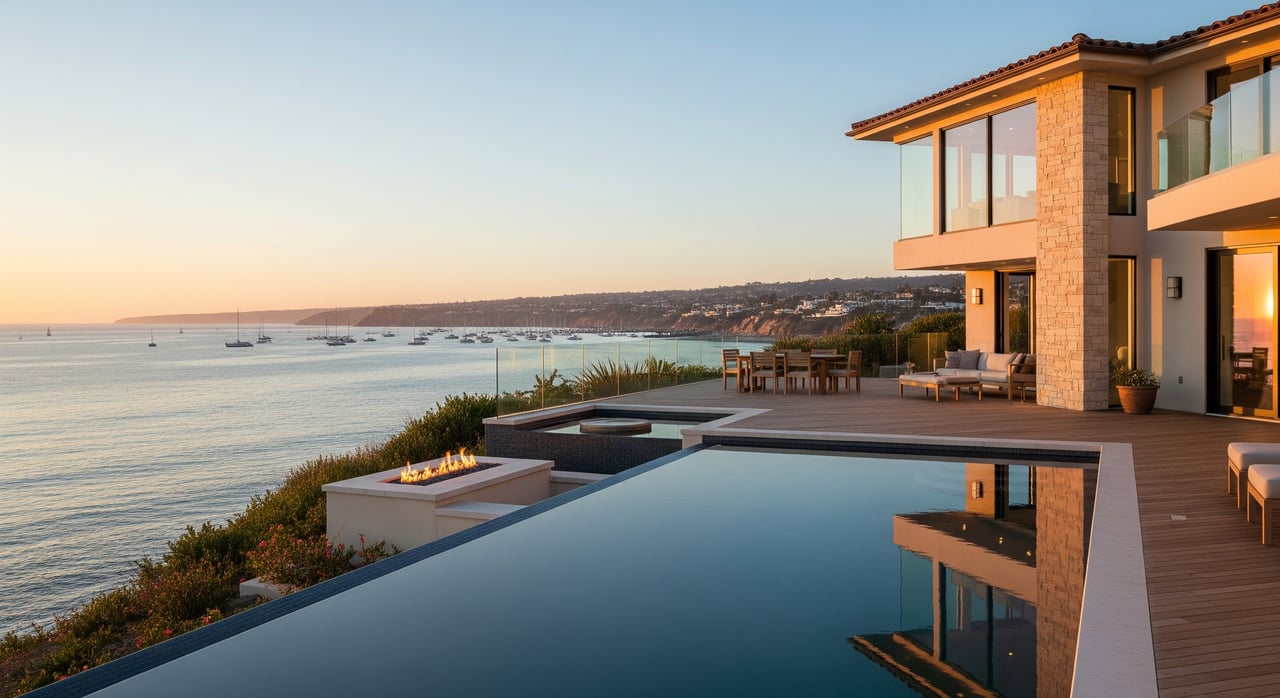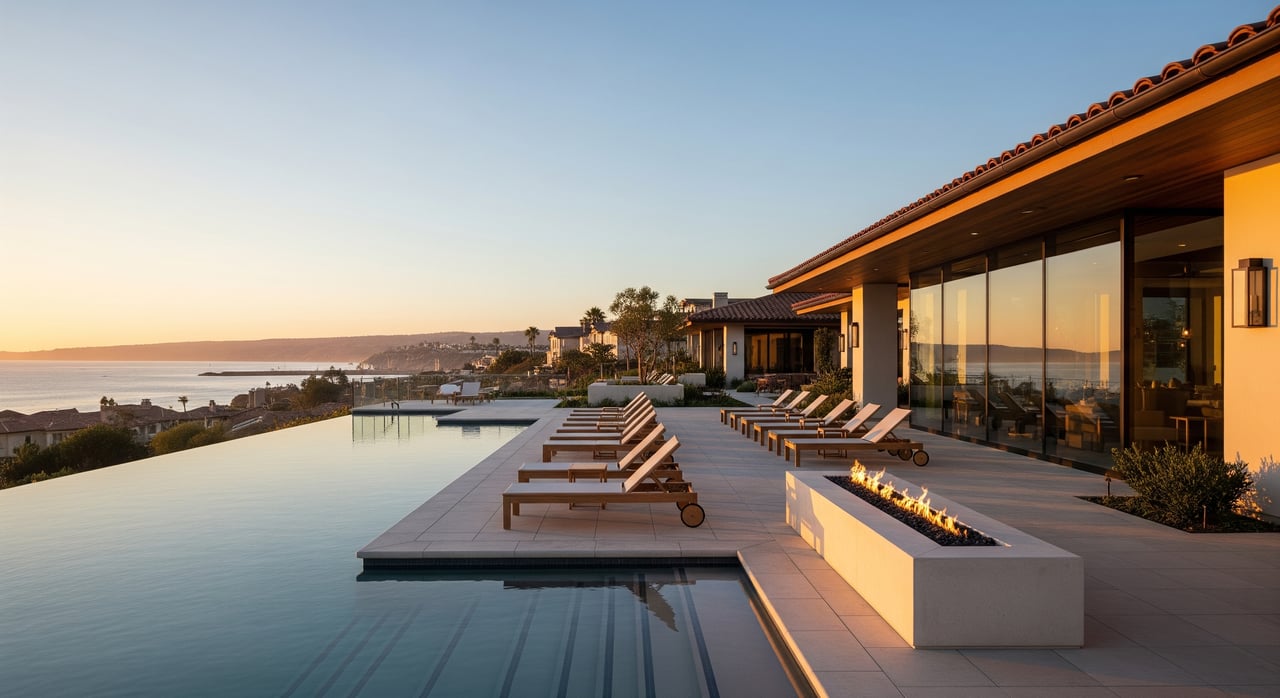
A buyer under contract on a bluff-top home in Southwest San Clemente thought escrow was routine. Inspection was clean, disclosures were signed, everyone was counting down to close. Then the lender came back with a request nobody had budgeted time for: an updated geotechnical and structural engineering report on the bluff itself, not the house. The closing date moved. The buyer was annoyed. The seller was confused, because nothing on the standard disclosure form had said this was coming.
Nothing was going to say it was coming. Coastal erosion sits outside California's list of state-mandated hazard disclosures. It isn't buried in fine print that a seller forgot to check. It simply isn't one of the boxes. The conversation about bluff stability in San Clemente doesn't start with paperwork. It starts with an underwriter, and it usually starts later than anyone expects. Kathy Samuel has walked San Clemente sellers through exactly this disclosure sequence before, and the pattern holds on the buy side too: the file that looks complete at signing is rarely the file a lender treats as complete at funding.
That gap between what a seller has to tell you and what a lender or insurer will eventually ask you is the real story right now, and it's reshaping which San Clemente streets carry a genuine premium and which ones are quietly capped no matter how good the ocean view looks from the patio.
What's Actually Happening on the Bluffs Right Now
Since 2021, bluff failures along the rail corridor that runs beneath San Clemente's coastline have forced passenger and freight service to stop at least five separate times, a disruption pattern serious enough that the Orange County Transportation Authority has called the corridor's protection one of the region's most urgent infrastructure problems, citing more than $1 billion in annual economic activity riding on that single stretch of track. OCTA had already spent roughly $40 million on emergency repairs since 2021 before its board authorized a far larger stabilization push, one reported at close to $300 million once every phase is counted.
The current work centers on a 1,400-foot catchment wall at Mariposa Point designed to hold back debris from active landslides, paired with up to 540,000 cubic yards of sand nourishment and roughly 9,000 tons of riprap repair at the most exposed points along the corridor. The California Coastal Commission approved most of these emergency measures but pushed back on one piece, a proposed 1,200-foot rock wall near San Clemente State Beach, after Surfrider Foundation and Save Our Beaches San Clemente argued that more hard armoring would narrow the beach further and accelerate erosion just beyond the wall's edges.
For anyone walking the Beach Trail this summer, the practical effect is visible closures. The segment between El Portal and Linda Lane stays closed until construction wraps, while the stretch from North Beach to El Portal reopens most evenings and Sundays. The City of San Clemente and OCTA both expect the trail to fully reopen once the project finishes this summer, which puts the current disruption on the tail end of its run rather than at the start.
The Case of One Bluff Lot on La Rambla
A November 2025 Coastal Commission staff report on a proposed home at 314 La Rambla shows how this plays out property by property. The lot sits on 21,216 square feet of blufftop land, descending 105 feet to the beach below, with the nearest formal public access point about 700 feet north at T Street. The applicant wants to demolish an existing guest unit, garage, and pool, then build a 12,780 square foot main residence with an 850 square foot accessory unit.
The Commission's review didn't center on square footage. It centered on where the geotechnical "factor of safety" line falls today and where the bluff edge is projected to sit decades from now. The city's 2019 Sea Level Rise Vulnerability Assessment, cited directly in the staff report, found that 3.3 feet of sea level rise could produce as much as 95 feet of shoreline retreat, growing to 150 feet under winter storm erosion. Push sea level rise to 4.9 feet and that retreat estimate climbs to 165 feet, with winter conditions pushing it as far as 272 feet. Any new construction has to sit landward of where that edge is expected to be, not where it sits on the day the permit is filed.
Why a Seawall Isn't the Backup Plan Most Buyers Assume
It's a common assumption that a determined owner can eventually build a seawall and buy the house more time. The Commission's posture on this stretch of coast suggests otherwise. Its own emergency approvals for the OCTA project favored sand over rock by design, roughly 95 percent sand to 5 percent riprap, and the one rock structure it declined was declined specifically because hard armoring locks the shoreline in place rather than letting it move. A private landowner asking for the same kind of protection faces the same resistance, and often stronger, since a public rail corridor carries an economic argument that a single residence does not.
What that means in practice is that a bluff lot's usable building envelope is set by the projected retreat line over the coming decades, not by whatever a future owner might be willing to spend. That single fact is the real ceiling on value in this segment of the market, and it has nothing to do with square footage, finishes, or view quality.
What This Means Street by Street
| Segment | Bluff Exposure | What Actually Sets the Ceiling |
|---|---|---|
| Southwest San Clemente / Riviera District, including the Paseo de Cristobal corridor | Homes sit closest to actively monitored cliff edges | Geotechnical setback math, limited path to future hard armoring |
| Cyprus Cove and Cyprus Shore (gated) | Some engineered protection already in place | Same Commission review applies regardless of gate or HOA |
| Marblehead | Elevated, generally set back farther from the edge | Lower urgency today, but still inside the Coastal Zone review |
| Shorecliffs and the Linda Lane corridor | Ocean side of I-5, older housing stock | Insurance underwriting and proximity to the rail/trail work |
| Talega and Forster Ranch (inland) | Outside the Coastal Zone | Standard financing, no Commission review, no bluff exposure |
In pockets like Cyprus Shore and the Riviera District, so few homes change hands in a given year that a single closing can move the neighborhood's numbers more than a full quarter of typical activity anywhere else in the city. That scarcity, combined with the permitting reality above, is why comparing a listing there to a citywide average tells you almost nothing useful.
Insurance compounds the friction. Old Harbor Insurance, an independent agency working this coastline, notes that carriers have grown more cautious underwriting bluff-adjacent property, and that buyers and owners increasingly run into requests for updated geotechnical surveys before a policy or a loan gets approved, with some lenders now asking for structural engineering reports on bluff-top homes specifically. Landslide damage falls outside both standard homeowners coverage and earthquake policies, since earth movement from a slide is treated as its own peril requiring a separate Difference in Conditions policy. The FAIR Plan exists as a last resort for hard-to-place properties, but it's a named-peril, temporary option, not a long-term answer.
What the Two Biggest Portals Can't Agree On
Here's where the citywide median falls apart as a decision-making tool. In March 2026, the median sale price across San Clemente was $1.7 million, down 7.4% year over year, with homes selling in a median 41 days. As of May 2026, Zillow's home value index put the typical San Clemente home closer to $1.54 million, up just 0.6% over the past year, with homes going to pending in around 15 days.
Two respected trackers, describing the same city within a few weeks of each other, land roughly $160,000 apart and disagree on which direction the market is even moving. That's not a data error. It's what happens when closed sales that spring skewed toward inventory working through permitting and insurance friction on the bluff side, while a broader, faster-moving inland market pulled the model-based estimate in the other direction. San Clemente isn't one market wearing one ZIP code. It's at least two, and the line between them runs along the bluff edge, not the freeway.
FAQ
Does California require sellers to disclose coastal bluff erosion? Coastal erosion is not on the state's list of natural hazards that trigger mandatory disclosure the way flood zones or fire hazard severity zones do. Local building departments may factor erosion into permit decisions, but the disclosure conversation for buyers usually happens through a lender or insurer's own due diligence rather than the seller's paperwork.
Can bluff-top homes in San Clemente still get insured? Yes, but expect more scrutiny than a standard policy. Carriers are increasingly requesting updated geotechnical surveys, and landslide coverage requires a separate Difference in Conditions policy since it falls outside both standard homeowners and earthquake coverage.
When does the San Clemente Beach Trail fully reopen? The City of San Clemente and OCTA both expect the trail to reopen completely once the current catchment wall and stabilization work finishes this summer, with some segments already reopening on evenings and Sundays in the meantime.
Bluff exposure, permitting reality, and insurance underwriting all move together in this market, and untangling them for a specific address takes more than a portal estimate. If you're comparing San Clemente streets and want a read on what a particular lot's ceiling actually looks like, Kathy Samuel has spent decades pricing coastal risk correctly along this stretch of Orange County. Request a Private Home Valuation and get the version of the number that accounts for what's actually happening on the ground, not just what the median says.