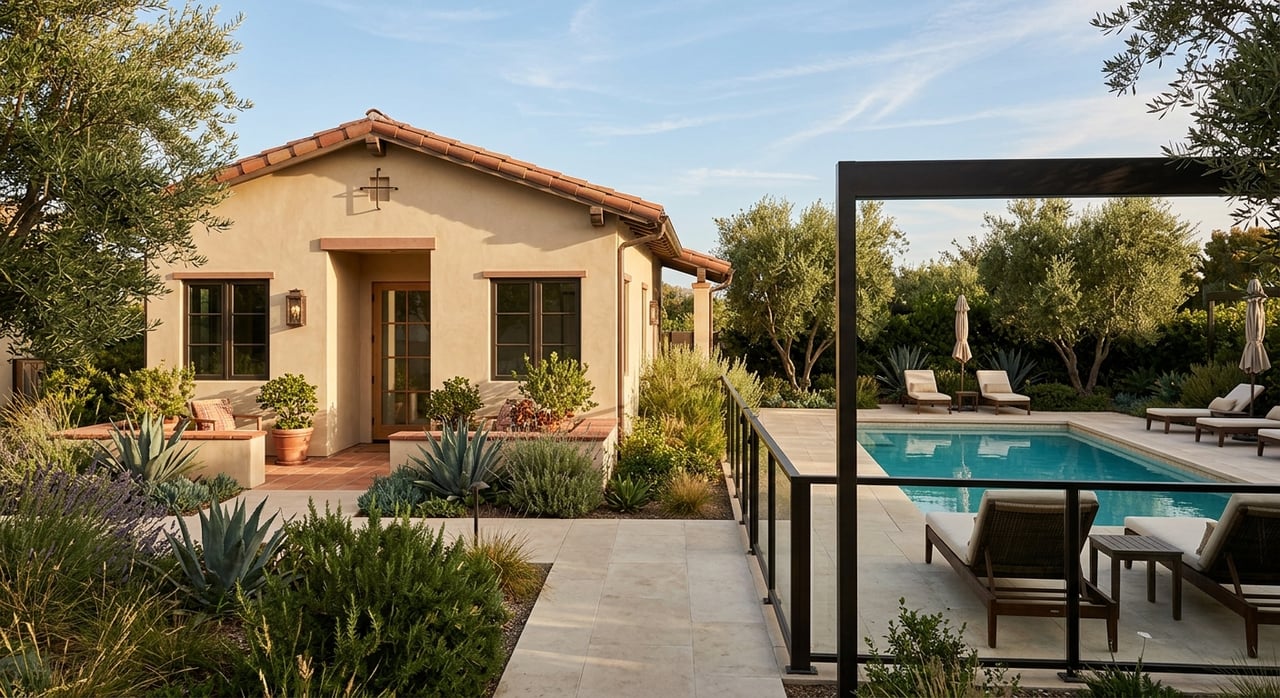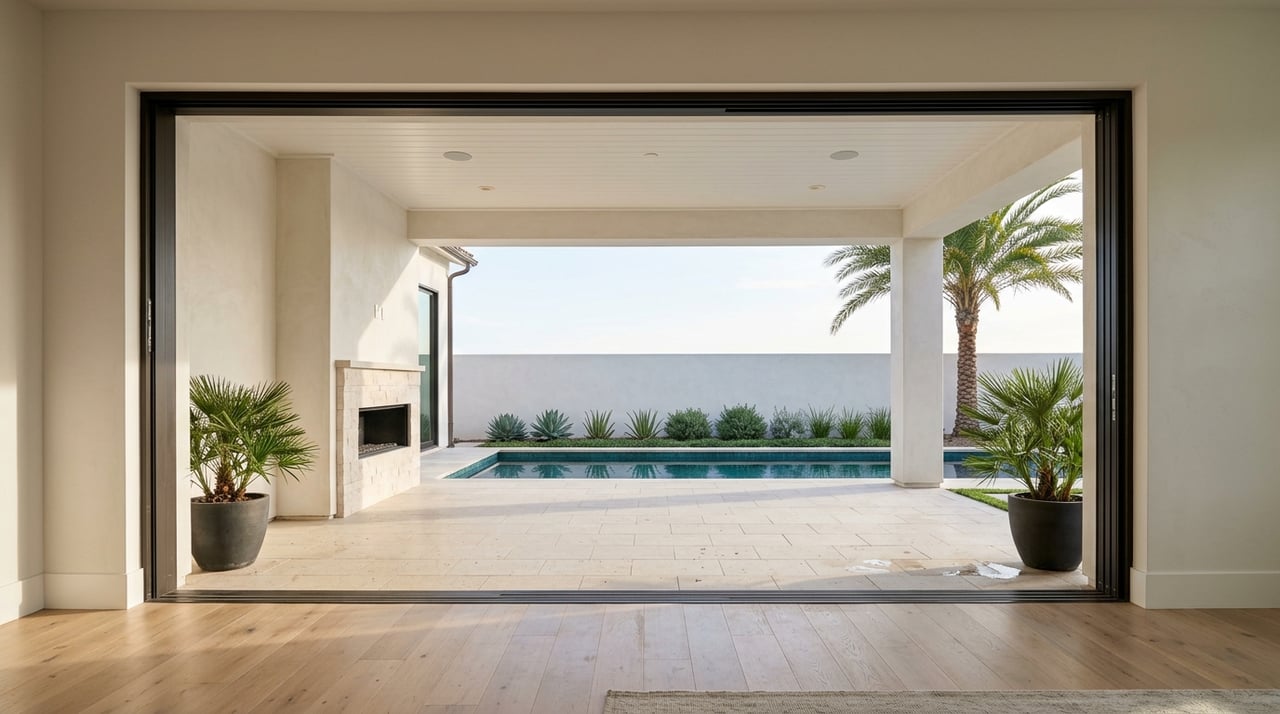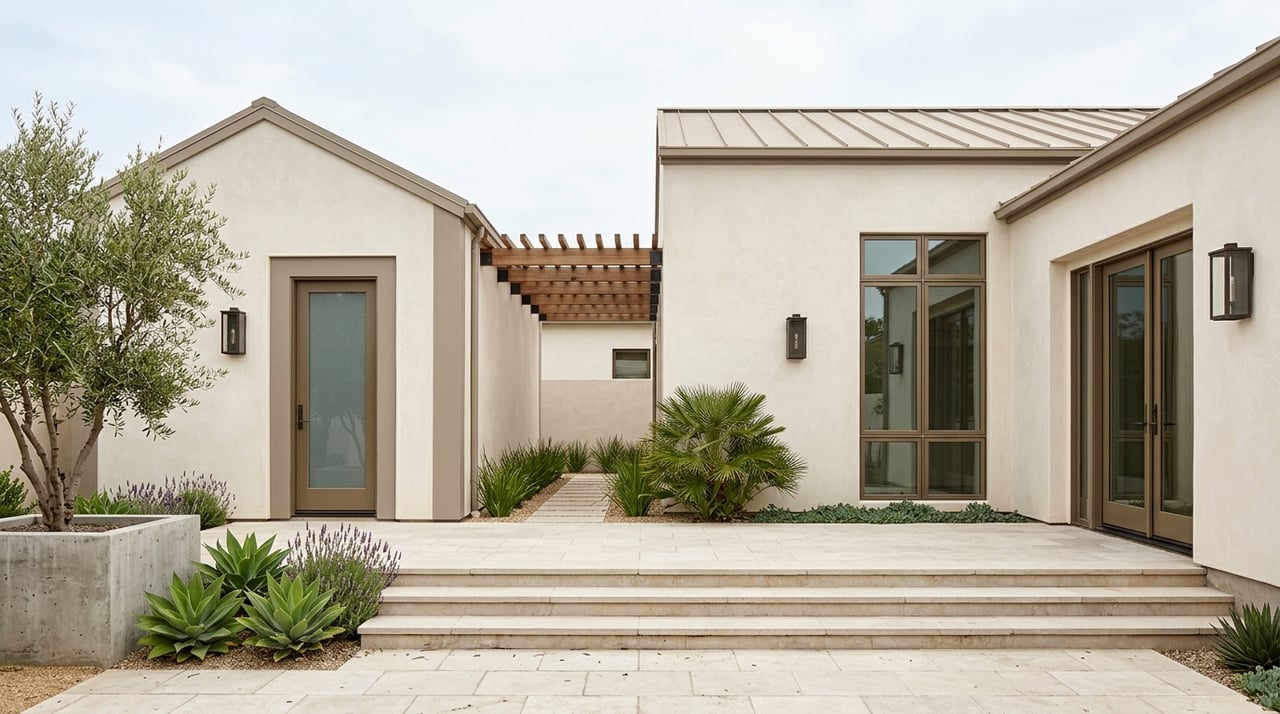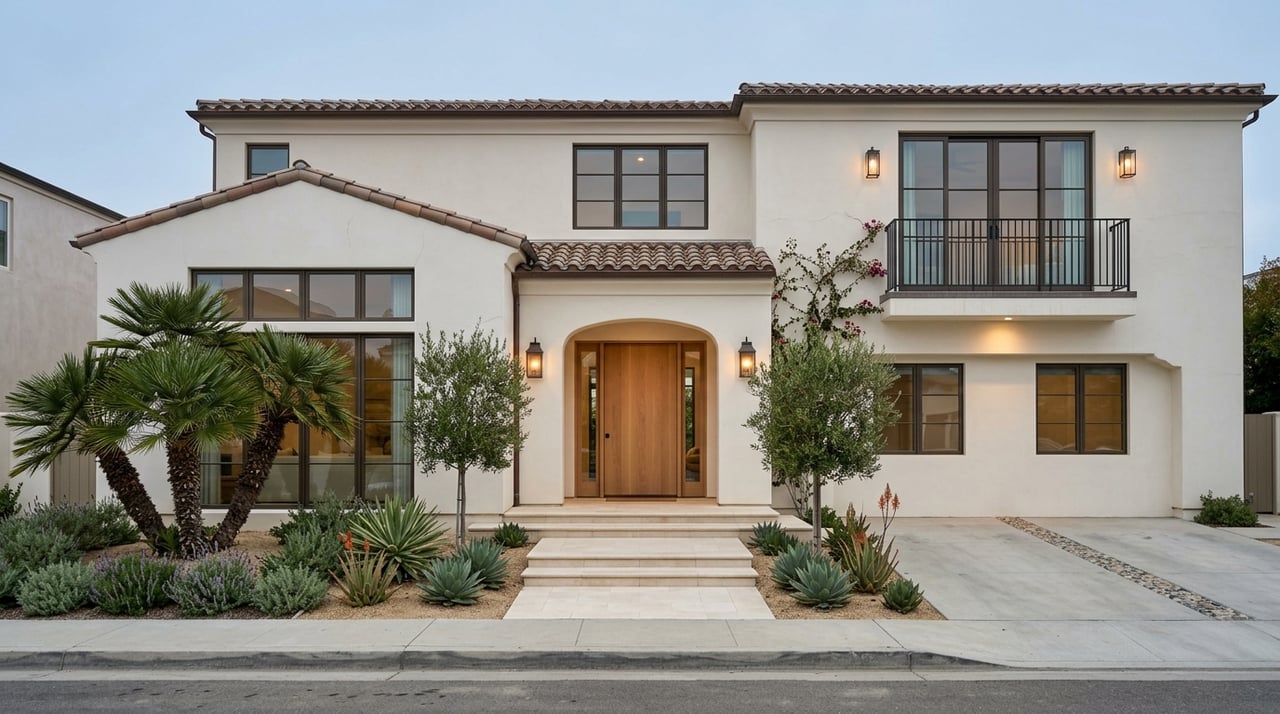
Why would a bayfront home in Newport Beach list for less than half the price of a comparable property three streets away?
That's the question a lot of buyers ask themselves the first time they scroll past a listing in Beacon Bay, Bayside Village, or the Lido Peninsula. The water is the same water. The zip code is the same zip code. But the price tag looks like it belongs to a different city. The answer isn't a hidden flaw in the house. It's that the house is the only thing being sold. The land underneath it belongs to someone else, and the buyer is stepping into a lease, not a title.
The land was never for sale
Newport Beach sits on tidelands that, under state law, belong to California and are held in trust by the city. A 1978 measure known as the Beacon Bay Bill formalized how the city could lease out parcels within that trust rather than sell them outright, and Beacon Bay is the neighborhood that carries the bill's name for a reason. Every home there sits on land the buyer leases from the city, not land the buyer owns. The City of Newport Beach's own harbor department explains the arrangement as a matter of trusteeship: the city acts as landlord on behalf of the state, and state law requires it to charge fair market rent for the use of that public land.
In Beacon Bay, that rent isn't a flat number set decades ago and forgotten. When a home changes hands, the incoming buyer signs a new 50-year lease, and the annual rent for that lease is set at roughly 2.5 percent of the purchase price, with cost-of-living adjustments layered on top for the life of the term. The rent is pegged to the very price the buyer just paid. A home that sells for $2 million carries a different ground lease than the same home would have carried at $4 million. Bayfront values in this stretch of Newport Harbor have not been flat, and every resale resets the rent to match wherever the market has landed by that point.
This is the part that gets lost in a quick scroll through listings. The appeal of a land-lease home is supposed to be that you're not paying for the dirt, only the structure and the location. But the price of the structure and location is exactly what determines what you'll owe the city every year for the next half century. The discount on the purchase price and the ongoing rent obligation are the same number, wearing two different hats.
Three neighborhoods, three versions of the same trade
Beacon Bay isn't the only corner of Newport Beach built this way, and the terms aren't identical from one community to the next.
- Beacon Bay sits between Harbor Island and Balboa Island, with homes running from custom Cape Cod-style construction to larger waterfront estates. Ground rent resets at each sale, calculated at roughly 2.5 percent of the purchase price with annual CPI adjustments, on top of the 1.3 percent property tax rate typical across Newport Beach.
- Bayside Village, off Pacific Coast Highway on the west side of the bay, is a manufactured-home community with its own clubhouses, a private beach, and boat slip access. Land lease payments there currently run from roughly $2,300 to $3,300 a month depending on the site, separate from any HOA dues. A subset of homes carry what the community calls a golden lease, an older, below-market rate that current listings describe as running through 2026. Anyone buying into one of those parcels this year should ask the seller exactly which lease is attached to the site and what the terms look like once it resets, because a golden lease ending this year is not a discount that transfers forward untouched.
- Lido Peninsula, tucked near Lido Marina Village, follows a similar structure without an HOA layer. Land lease payments on current listings there run from roughly $2,700 to just under $4,000 a month, on top of whatever mortgage or cash outlay covers the structure itself.
None of these numbers are small. A $3,300 monthly ground lease is functionally a second mortgage payment that never builds equity and never gets paid off, because there's no principal to pay down. It's rent, permanently.
The friction shows up at the lender, not the open house
This is where the transaction gets complicated for buyers who assume a land-lease home behaves like any other purchase once an offer is accepted.
Leasehold properties don't appraise the way fee-simple homes do. Under Fannie Mae's own selling guide, an appraisal on a leasehold property must include the ground rent and a detailed narrative of the lease terms, and the appraiser has to report how those lease terms affect the property's value and marketability. Freddie Mac's guide adds a further wrinkle: comparable sales used in the appraisal are supposed to carry similar lease terms to the subject property, and if the appraiser can't find leasehold comps with matching terms, they have to explicitly account for the differences.
In a market as small as Newport Beach's land-lease enclaves, that pool of directly comparable leasehold sales can be thin. Beacon Bay, Bayside Village, and Lido Peninsula each have their own lease structure, which means a comp from one doesn't necessarily translate cleanly to another, and an appraiser working a Beacon Bay file may not have much to draw on beyond other Beacon Bay sales from the same rough era of the lease cycle. That narrows the appraiser pool to people who have done this kind of work before, and it means buyers should expect the appraisal step to take longer and ask more questions than it would on a standard fee-simple purchase a few blocks away.
Lenders feel this too. A mortgage secured by a leasehold estate is a different underwriting product than a mortgage on land you'll actually own at the end of the loan, and not every lender's guidelines are built to handle it smoothly. Buyers who assume they can walk into the same 30-year conventional process they'd use on a fee-simple Newport Beach home sometimes find out midway through escrow that their preferred lender doesn't originate leasehold loans at all, or that the ones who do want additional documentation on the remaining lease term before they'll close.
Comparing the real cost, not the sticker price
None of this makes a land-lease home a bad purchase. Plenty of buyers in Bayside Village and Lido Peninsula are drawn specifically to the tradeoff, lower entry price and no long-term commitment to owning depreciating dirt in a flood zone, in exchange for a fixed rent obligation and less capital tied up at closing. The mistake isn't buying into a leasehold community. The mistake is comparing its purchase price directly against a fee-simple listing in Balboa Island, Linda Isle, or Harbor Island without adding the ground rent back in as a cost of ownership.
The honest comparison adds the annual ground lease and CPI escalation into the total carrying cost, the same way you'd add HOA dues or Mello-Roos to a fee-simple purchase elsewhere in South Orange County. Once that's on the page, a $2 million Beacon Bay home with a resetting 2.5 percent ground lease and a $4 million fee-simple home nearby start to look like two different financial products aimed at two different kinds of buyers, not two prices for the same thing.
Frequently Asked Questions
Does the ground lease ever run out, and what happens then? Each lease runs for a fixed term, 50 years in Beacon Bay's case, and resets to a new lease and new rent calculation at the point of resale rather than automatically continuing at the old rate. A buyer purchasing partway through an existing lease term inherits whatever years remain on that lease, not a fresh 50-year clock, so confirming how many years are left is part of due diligence.
Can I finance a leasehold home the same way I'd finance a fee-simple home? Not automatically. Fannie Mae and Freddie Mac both maintain separate underwriting and appraisal standards for leasehold mortgages, and not every lender originates them. Buyers should confirm early in the process, ideally before writing an offer, that their chosen lender handles leasehold financing in Newport Beach's specific communities.
Is the ground rent the same for every home in a land-lease community? No. In Beacon Bay it's tied to each home's individual purchase price at the time of sale, so two houses of similar size can carry very different rent obligations depending on when and for how much they last changed hands. In Bayside Village and Lido Peninsula, rates vary by site and by whether an older below-market lease, like Bayside Village's golden lease, is still attached to that particular parcel.
If you're weighing a purchase in one of Newport Beach's land-lease communities against a fee-simple home elsewhere in the city, the numbers deserve a side-by-side look before you write an offer, not after. Kathy Samuel has spent decades pricing coastal Orange County property down to the details that don't show up in a portal search, and a private consultation is the fastest way to see what a specific lease term actually costs you over time.